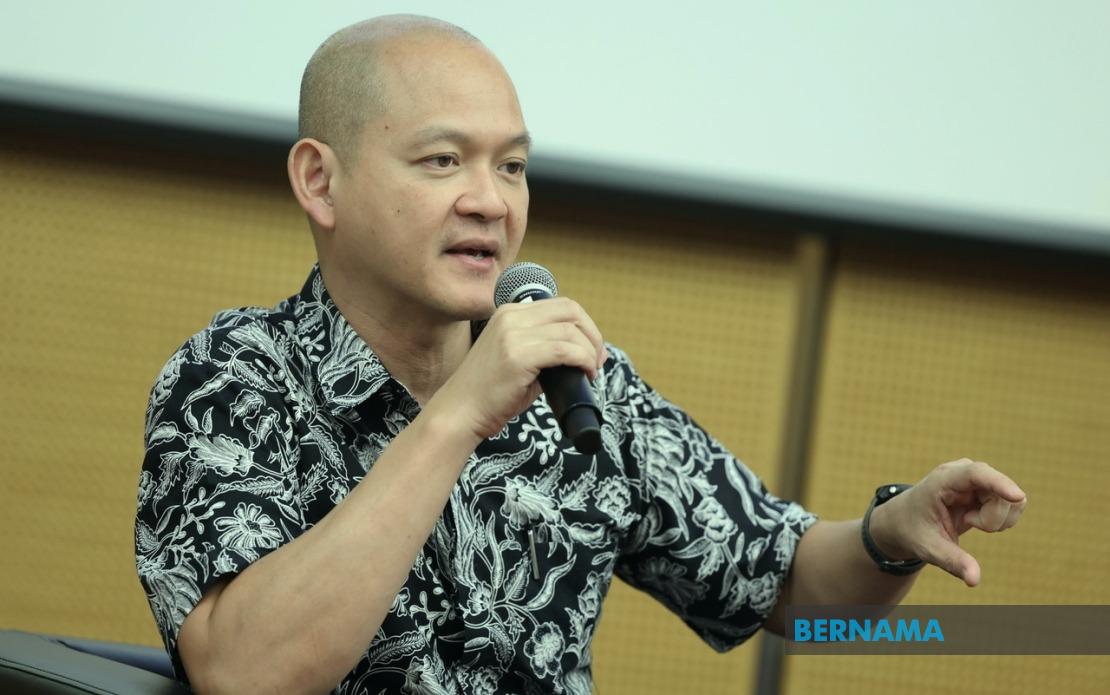
Dr Ong Kian Ming, who represented the Bangi parliamentary constituency until 2022, has formally departed the Democratic Action Party after more than a decade of membership, signalling a significant shift in his political trajectory. The announcement came via a Facebook post on August 31, where the former federal lawmaker confirmed that party leadership, including DAP Secretary-General Anthony Loke Siew Fook and National Organising Secretary Khoo Poay Tiong, had been informed of his decision to step down effective immediately. The resignation marks the end of an era for one of DAP's more prominent English-speaking figures during a period when the party has faced mounting pressure to reinvent itself following electoral setbacks.
Ong's departure from the party he joined in 2012 comes after he had established himself as a key player within DAP's organisational structure and parliamentary operations. During his twelve years with the party, he served two separate terms as a Member of Parliament—first representing Serdang from 2013 to 2018, before shifting to the Bangi seat for the subsequent parliamentary cycle until 2022. His government responsibilities extended beyond the backbench, having held the position of Deputy Minister of International Trade and Industry from 2018 to 2020 during the Pakatan Harapan administration. Within party structures, he occupied seats on DAP's Central Executive Committee as an appointed member between 2019 and 2022, and maintained active involvement in the Selangor state committee as an elected representative until this year.
The timing of Ong's exit carries particular significance given the current political landscape in Malaysia. With the next general election, which would constitute GE16, looming on the horizon, Ong has explicitly ruled out contesting as a candidate in that electoral contest. This declaration suggests a deliberate stepping back from electoral politics rather than a pivot toward another political formation. His statement emphasised that he harbours no immediate intentions to transfer his allegiance to any rival party, effectively closing the door on speculative narratives about him joining other opposition or coalition-aligned political vehicles. The clarity of his position stands in contrast to previous high-profile defections within Malaysian politics, where politicians frequently announce departures as precursors to joining alternative parties within short timeframes.
Ong's stated rationale reveals a desire to recalibrate the nature and scope of his public service contributions. Rather than framing his departure as a rejection of DAP's direction or leadership, he emphasised gratitude for the opportunities the party afforded him over the years. He expressed appreciation for the varied platforms through which he could advance national interests—platforms that encompassed parliamentary representation, ministerial responsibilities, and party governance roles. This measured tone suggests the resignation stems from a personal reassessment of how he can most effectively serve Malaysia's interests, rather than from acrimony or substantive disagreements with party direction that might typically precipitate such announcements.
The departure holds implications for DAP's composition and representation in the years ahead. As an MP and party figure who brought strong credentials in policy analysis and parliamentary debate, Ong's absence will alter the party's intellectual resources and strategic capacity in certain domains. His background and articulation style appealed to urban, educated demographics that remain crucial to DAP's electoral viability. The loss of such a figure, even if amicable, represents a gradual erosion of the party's bench strength at a time when opposition parties across Southeast Asia face mounting institutional pressures and require depth of talent to sustain long-term competitiveness.
Ong's decision to step away from electoral politics altogether raises broader questions about the sustainability of political careers in Malaysia's increasingly fractious environment. After serving two full parliamentary terms and holding ministerial office, he has seemingly concluded that the personal and professional demands of electoral politics no longer align with his aspirations. This reflects a pattern observed elsewhere in Malaysian politics, where experienced politicians periodically reassess their involvement as political landscapes shift, coalition dynamics realign, and the costs of remaining engaged accumulate.
The mechanism through which Ong communicated his departure—via social media rather than a formal press conference or party announcement—underscores contemporary trends in Malaysian political communication. Facebook posts have increasingly become the preferred medium through which politicians announce significant decisions, potentially reaching supporters directly whilst circumventing traditional gatekeeping processes. This approach, though convenient and immediate, occasionally lacks the formality and context that press conferences might provide, though Ong's detailed explanation of his career trajectory within DAP partially compensated for this brevity.
Going forward, Ong's path will likely involve engagement in policy work, consulting, academia, or civil society initiatives—domains where experienced former politicians frequently establish themselves when stepping back from the electoral arena. His expertise in international trade and economic policy positions him well for roles in think tanks, business advisory functions, or international organisations where Malaysian perspective and experience commands value. Such transitions from electoral politics to alternative forms of influence have become increasingly common among thoughtful Malaysian political figures who seek to exert impact without the relentless campaigning that contemporary politics demands.
The resignation contributes to a broader pattern of flux within Malaysian opposition politics, where parties continue adjusting personnel and strategies in response to electoral outcomes and internal dynamics. DAP must now identify how to backfill the roles and responsibilities Ong vacated, whilst simultaneously confronting questions about how to retain and develop political talent amid the competitive environment. For Ong himself, the decision represents a conscious closure on one chapter of public service and the opening of another, pursued through channels beyond the institutional constraints of party politics and parliamentary duty.

