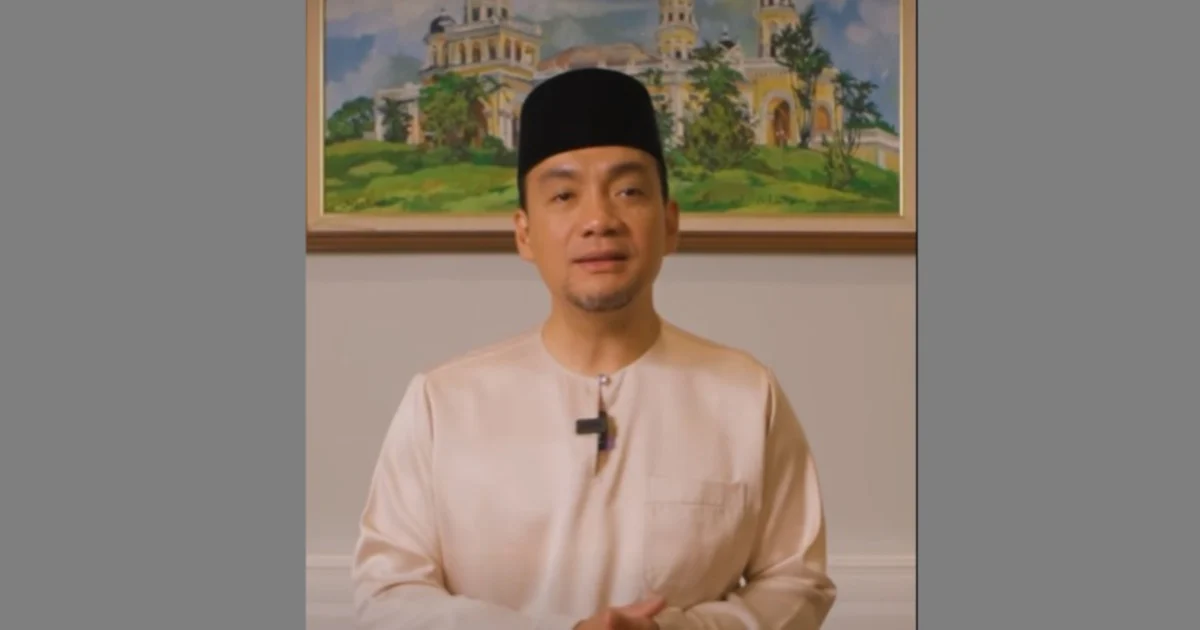
Datuk Onn Hafiz Ghazi, serving as Johor's caretaker menteri besar, has begun an early campaign to secure support from the state's security forces ahead of the upcoming general election. With early voting scheduled for July 7, the Barisan Nasional leader has made a direct appeal to members of the armed forces, police personnel, and other uniformed services throughout Johor, underscoring the coalition's determination to retain its grip on the state administration after years of governance.
The move reflects a deliberate electoral strategy by Barisan Nasional to consolidate backing within constituencies where security personnel and their families represent a significant voting bloc. In Malaysia's federal system, uniformed services and defence personnel traditionally constitute a material demographic in several key constituencies, particularly in Johor where military and police installations are numerous. By addressing these voters in the early stages of the campaign, Onn Hafiz signals the coalition's intent to prevent them from being swayed toward opposing camps and to mobilize them as reliable supporters.
Johor holds particular significance in Malaysian electoral politics as one of the largest states by area and population, with substantial political weight in determining overall outcomes. Barisan Nasional's performance here carries considerable implications for its national standing. The state has been a relatively consistent bastion for the coalition in recent election cycles, though demographics and changing voter preferences have created pockets of vulnerability in urban centres. By targeting security forces early, the party demonstrates it has identified this group as a priority audience whose participation levels can materially affect final results.
The appeal to military and police voters also carries broader symbolism about Barisan Nasional's positioning within the Malaysian political establishment. These uniformed voters often prioritise stability, institutional continuity, and parties perceived as traditionally aligned with state institutions and national security apparatus. The coalition's emphasis on securing their support reinforces its narrative as the experienced, establishment choice capable of ensuring governance and security continuity in a complex political environment.
Early voting provisions in Malaysian elections allow certain categories of voters, including security personnel and those unable to vote on election day due to duty commitments, to cast ballots before the official polling date. This mechanism is particularly important for security forces, whose operational schedules and deployment patterns often make participation on the standard election day logistically challenging. By appealing to these voters before early voting occurs, Onn Hafiz aims to provide a clear message about why Barisan Nasional merits their support and to encourage high turnout among this cohort.
The caretaker menteri besar's campaign activities also reflect the broader competitive landscape in contemporary Malaysian politics. Where once Barisan Nasional could rely on substantial institutional advantages and dominance of state machinery, modern elections involve more sophisticated voter engagement and direct appeals to specific demographic segments. Even constituencies viewed as traditional strongholds require active campaigning and ongoing cultivation of voter relationships. The decision to target security forces suggests internal polling or analysis indicating that this group, while historically favouring Barisan Nasional, cannot be taken for granted.
Johor's security forces encompass multiple constituencies with varying concerns and priorities. Military personnel stationed at major installations such as those in areas around Iskandar Puteri and other strategic locations represent one segment, while police stationed throughout the state's fourteen districts constitute another. Additionally, personnel from the Malaysian Maritime Enforcement Agency, civil defence, and prison services add further complexity to this voter base. A comprehensive appeal requires acknowledging the distinct interests and preoccupations of each group whilst maintaining a unified message about Barisan Nasional's commitment to their welfare and the nation's security.
The July 7 early voting date marks the beginning of the official campaign period when election fever typically intensifies across the nation. By initiating his outreach to security forces before this date, Onn Hafiz gains an advantage in message timing and can establish the narrative framework through which Barisan Nasional wants these voters to view the election. This approach also allows the coalition to mobilise volunteer activists and party machinery specifically toward security force engagement, concentrating resources on this identified priority segment.
For Malaysian voters more broadly, this campaign development offers insight into how contemporary political parties operate at the state level and which demographics they view as most critical to electoral success. The targeting of security forces reflects calculations about voter behaviour patterns, though it also raises questions about voter autonomy and whether such appeals subtly invoke institutional loyalty or professional concerns. In Malaysian political discourse, the relationship between security forces and electoral campaigns remains nuanced, with ongoing discussions about the apolitical nature of these services versus their role as an important electoral constituency.
The implications for Johor extend beyond the immediate election. If Barisan Nasional successfully secures strong support from security forces, it provides electoral momentum and legitimacy as the administration takes office. Conversely, any shift in support patterns among this traditionally loyal group would signal broader changes in voter sentiment and could prompt the coalition to reconsider its strategies and positioning. For the state's development trajectory and policy priorities, the composition of support backing whichever government emerges will influence the balance of interests the administration must navigate.
As the campaign formally unfolds, observers will watch whether other parties mount comparable efforts to appeal to security forces or whether they pursue different voter engagement strategies focusing on other demographics perceived as more persuadable. The overall pattern of campaign tactics across different parties will reveal much about their respective assessments of the electoral landscape and which voter groups they view as winnable, containing, or already lost to opposing camps.

