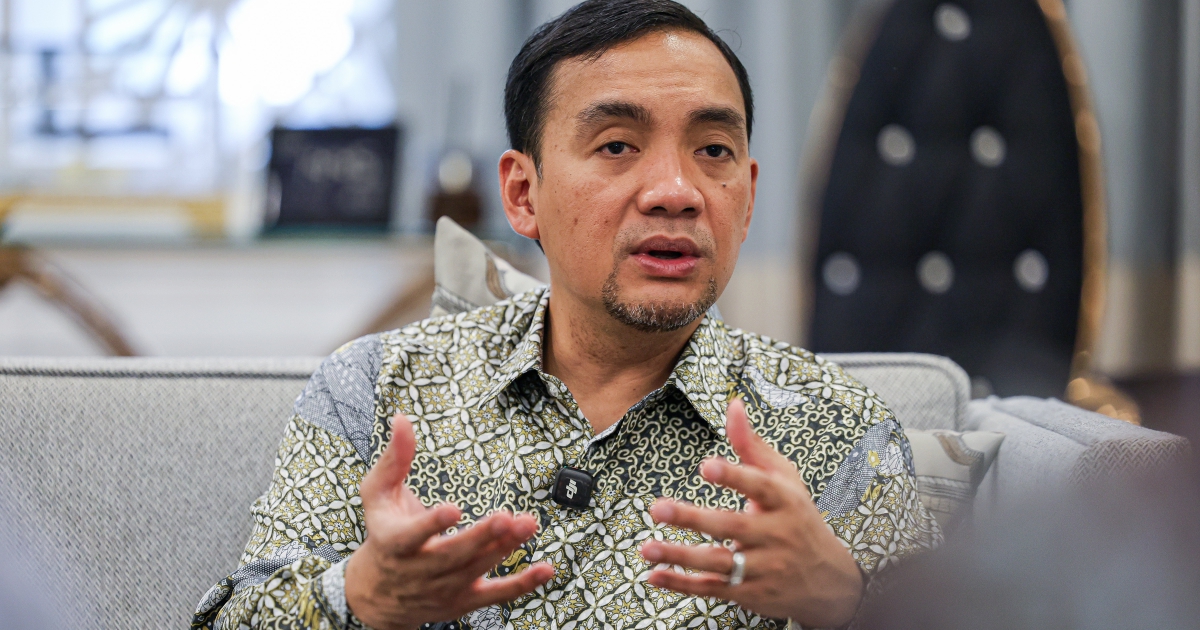
Johor's caretaker Menteri Besar Datuk Onn Hafiz Ghazi has moved to distance himself from suggestions that he attributed the state assembly's dissolution to a palace directive, countering claims made by Datuk Dr Mohd Puad Zarkashi that he had used such language. The dispute centres on remarks allegedly made by the chief executive, with the politician now clarifying that his previous statements have been mischaracterised or taken out of context in ways that do not reflect his actual position on the matter.
The controversy underscores ongoing tensions within Johor's political landscape as the state navigates the period following the assembly dissolution. Onn Hafiz's denial carries particular weight given his interim status as caretaker, a position that typically requires measured communication to maintain stability during the transition toward fresh elections. His swift rejection of Puad Zarkashi's assertion suggests sensitivity around the framing of institutional relationships and decision-making authority during this delicate phase.
Puad Zarkashi, a figure with established standing in Johor political circles, had asserted that Onn Hafiz communicated the palace's role in precipitating the assembly dissolution. Such characterisations, if accepted, would carry significant implications regarding the extent of constitutional authority exercised by the Johor Palace in triggering what ultimately becomes an electoral contest. The allegation essentially questions whether the dissolution emerged from administrative necessity, political calculation, or direct royal intervention.
The distinction between these framings matters considerably within Malaysia's constitutional monarchy system, where the relationship between executive leadership and the institution of rulers operates within carefully defined parameters. While the constitution grants rulers significant reserve powers, the manner in which those powers are exercised and communicated remains a sensitive topic in Malaysian governance. Onn Hafiz's rebuttal suggests he wishes to avoid characterising the palace as having unilaterally imposed the dissolution, preferring instead a narrative that emphasises collaborative decision-making or the caretaker's own executive prerogatives.
From a broader perspective, this exchange reflects deeper questions about institutional accountability and transparency in state-level governance. Citizens and political observers increasingly expect clarity regarding how major constitutional decisions are arrived at and who bears responsibility for their implementation. The ambiguity surrounding the actual circumstances of the assembly dissolution creates space for competing narratives, each carrying different implications for how power operates within Johor's political ecosystem.
Onn Hafiz's position as caretaker adds another layer to this dynamic. During caretaker periods, chief executives operate under heightened scrutiny, as they wield significant authority while lacking the electoral mandate that their predecessors held. Every public statement becomes subject to interpretation as potentially revealing underlying institutional tensions or power dynamics. His denial of Puad Zarkashi's claim may therefore represent an attempt to demonstrate that the caretaker administration remains firmly in control of decision-making processes rather than merely executing palace directives.
The timing of this dispute is also noteworthy. As Johor prepares for state elections, the narrative surrounding the assembly's dissolution takes on greater electoral significance. Political factions may utilise different interpretations of events to shape public perception of legitimacy and institutional relationships. If voters believe the dissolution was palace-driven rather than executive-driven, this could influence how they assess the caretaker government's competence and autonomy.
For Malaysian political observers, this episode illustrates the continued importance of constitutional conventions and their unwritten dimensions. While the Federal Constitution and state constitutions provide the formal framework for power distribution, the actual practice of governance frequently depends on interpretations, precedents, and the manner in which different institutions choose to characterise their actions. When a prominent politician like Onn Hafiz must publicly clarify remarks regarding palace involvement, it signals that even routine political processes contain contested meanings.
The dispute also reflects generational and factional differences within Johor's political leadership. Different leaders maintain distinct relationships with the palace, distinct philosophies regarding executive autonomy, and distinct interests in how decisions are publicly explained. Puad Zarkashi's willingness to reference palace involvement may reflect one political perspective, while Onn Hafiz's denial reflects another. These competing accounts provide insight into the competing visions for Johor's governance moving forward.
For Malaysia's broader political development, the episode demonstrates that even states with established institutional frameworks continue to negotiate the precise boundaries between different power centres. The palace remains a consequential actor in state governance, yet its role is often exercised through suggestion rather than explicit command. The ambiguity around the assembly dissolution and the subsequent public disagreement over how to characterise palace involvement reveals how these negotiations occur, often in ways not fully transparent to the public.
Moving forward, the resolution of this dispute and the clarification that Onn Hafiz seeks may determine how political actors understand the parameters of institutional power in Johor. If he successfully establishes that dissolution decisions rest primarily with the executive, this sets one precedent. If questions about palace involvement persist, another precedent emerges. Either way, the coming election period will test whether voters view the caretaker administration and the broader institutional landscape as functioning appropriately or as requiring significant reform in how power is exercised and explained to the public.

