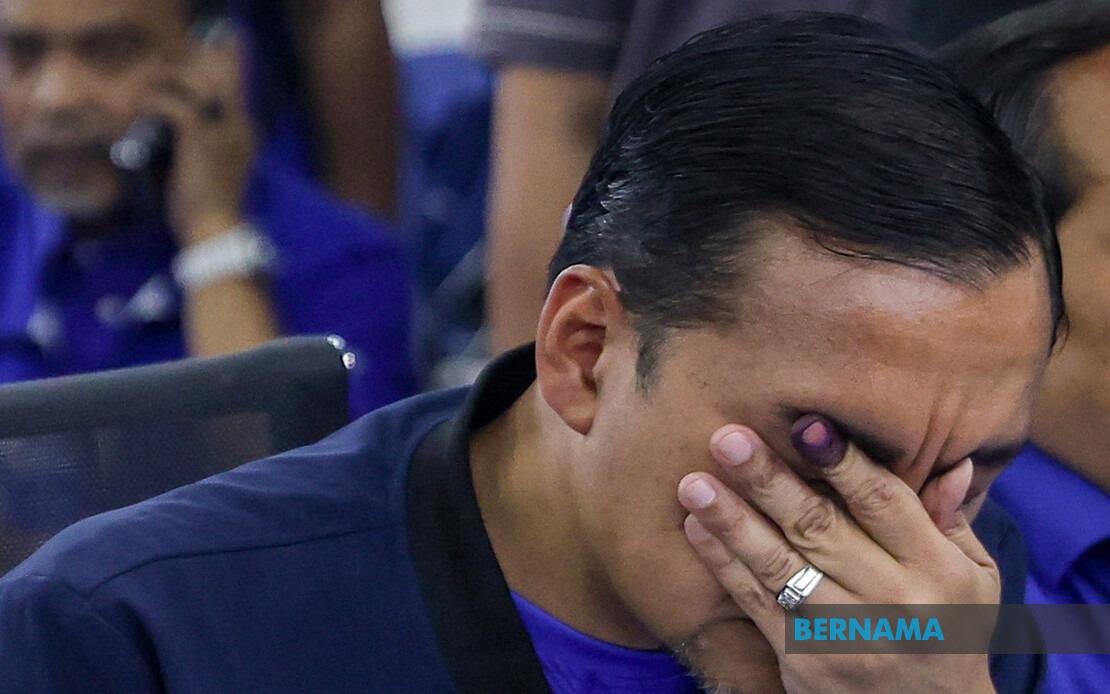
Datuk Onn Hafiz Ghazi has consolidated his grip on the Machap constituency in the 16th Johor state election, capturing 20,382 votes in a decisive victory that underscores Barisan Nasional's continuing strength in the southern state. The Johor Menteri Besar and state BN chairman defeated Pakatan Harapan nominee Nur Hafiz Roslan by a majority of 15,375 votes in what amounted to a straight two-way contest between the major coalitions.
The outcome represents a significant improvement in Onn Hafiz's electoral performance relative to the previous state election cycle in 2022, when he secured the Machap seat with a majority of 6,543 votes. That earlier contest had been considerably more fragmented, with four candidates competing for the seat: Perikatan Nasional's Azlisham Azahar, MUDA's R. Sangaran, and PEJUANG's Sharuddin Md Salleh joining Onn Hafiz in the running. The shift to a direct head-to-head battle with PH in the latest election appears to have benefited the incumbent substantially, more than doubling his winning margin and suggesting that consolidated voting patterns among the anti-PH camp worked in his favour.
The result carries particular significance for Onn Hafiz's political standing within Johor and the broader Malaysian federation. As both Menteri Besar and state party chairman, his personal performance at the ballot box serves as a barometer for BN's organizational machinery and grassroots support in the critical southern state. Johor has traditionally represented one of BN's strongest regional bastions, and victories here are essential to the coalition's claims of renewed political viability following earlier electoral setbacks at the national level.
The comfortable majority also suggests that Onn Hafiz has successfully consolidated support among Machap's electorate during his tenure as state executive councillor and subsequently as Menteri Besar. Despite challenges posed by demographic shifts and evolving voter preferences across Malaysia, the expanded margin indicates either increased turnout among traditional BN supporters or successful persuasion of swing voters in the constituency. The near-total elimination of opposition fragmentation that had existed in 2022 also means BN's vote share was not diluted across multiple competing candidates.
For Pakatan Harapan, the loss of Machap represents a setback in what had been hoped would be a competitive state election. The coalition has made limited headway in rural and semi-urban Johor constituencies, where BN retains entrenched organisational structures and community ties dating back decades. Nur Hafiz Roslan's defeat by such a substantial margin suggests PH was unable to mount an effective counter-narrative or mobilise sufficient voters in this particular seat, though the coalition's overall performance across the state would require examination of results elsewhere to assess comprehensively.
The election outcome reflects the ongoing realignment of Malaysian politics following the dramatic upheavals of 2020 and 2022. Whereas those elections were characterized by significant voter volatility and protest voting against established political order, the Johor polls appear to show some stabilisation of electoral preferences, at least in constituencies where BN maintains strong incumbency advantages. Onn Hafiz's personal popularity and ministerial profile may have also provided an additional boost, as voters often maintain preference for sitting officials who have delivered on local development and governance concerns.
Regionally, the Machap result carries implications for understanding BN's performance across Southeast Asia's largest Muslim-majority nation. The coalition has sought to rebuild its political machine following period of relative disarray, and victories by prominent figures like Onn Hafiz suggest this recovery effort is bearing fruit in traditional strongholds. However, the broader state-level results would need to be assessed to determine whether BN's resurgence extends across Johor comprehensively or remains concentrated among certain constituencies and voter groups.
The increased majority also provides Onn Hafiz with enhanced political capital as he navigates internal party dynamics and state-level governance challenges. A commanding personal mandate strengthens his position when negotiating with federal party leadership and provides evidence of constituent support that can be wielded in internal political discussions. The result validates his leadership approach and governance record over the preceding term, at least according to his own constituency's judgment at the ballot box.

