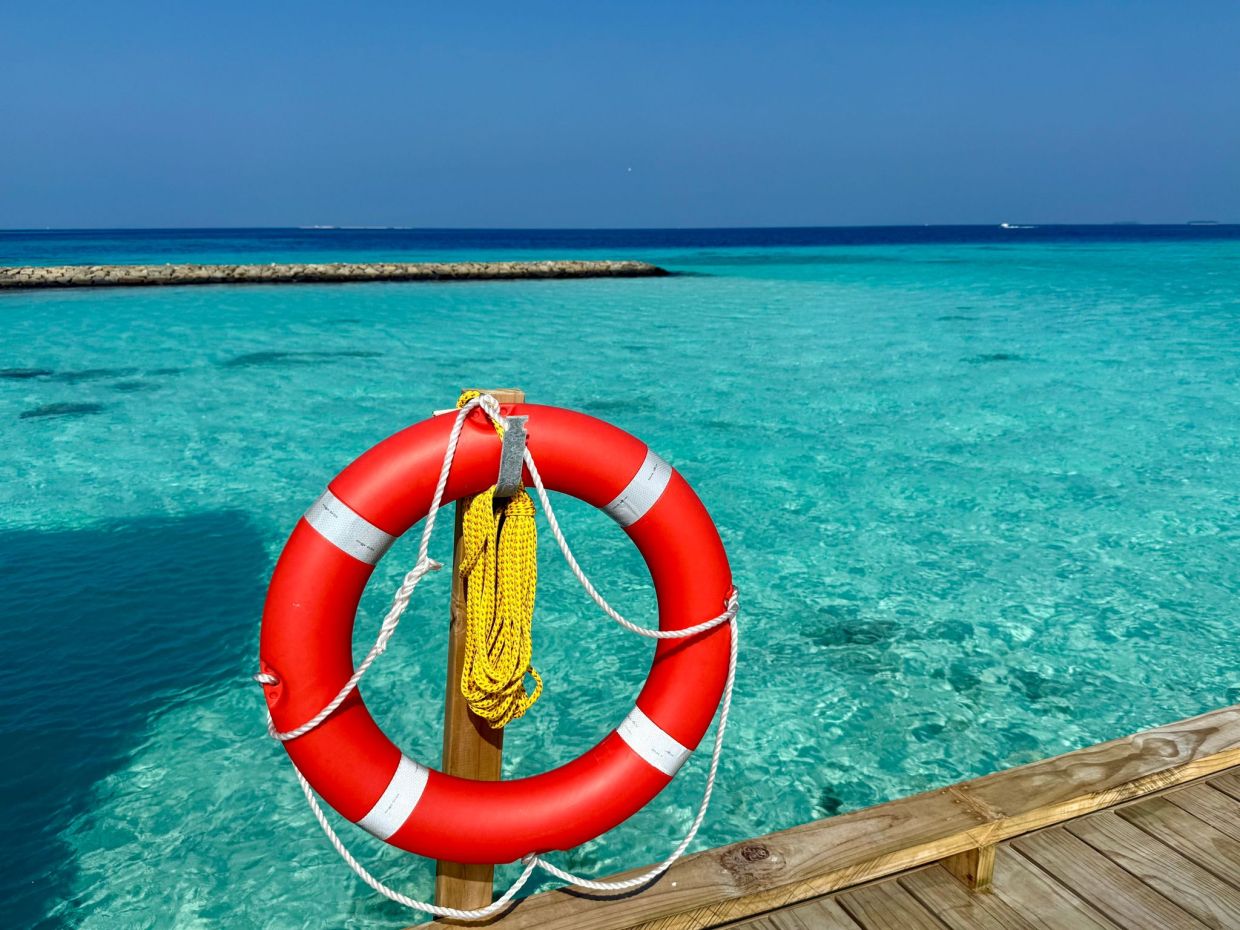
Summer holidays and tropical getaways across Southeast Asia frequently draw swimmers to natural bodies of water, from coastal beaches to inland lakes and rivers. Yet recreational swimming in open environments carries considerable risks that many enthusiasts overlook, according to water safety specialists. The challenge lies not merely in physical capability but in understanding and respecting the dynamic forces at play in natural water systems, from temperature fluctuations to invisible currents and submerged obstacles.
Peter Dawes, general manager of lifeguard operations at Royal National Lifeboat Institution (RNLI), identifies a critical gap between swimmer confidence and actual safety awareness. Most recreational swimmers substantially overestimate their own competence while simultaneously minimising the genuine threats posed by their chosen environment. This misalignment between perception and reality creates dangerous situations, particularly during holiday seasons when casual swimmers venture into unfamiliar waters without adequate preparation or understanding of local conditions. The psychological tendency to feel invincible when air temperatures soar frequently leads swimmers to ignore persistent water temperatures that remain dangerously cold even in seemingly hot climates.
Advanced planning represents the foundation of responsible open-water swimming. Before entering any natural body of water, swimmers should research prevailing conditions, weather patterns, and specific hazards unique to that location. For beach swimmers, understanding tide times becomes especially crucial, as shifting tides can rapidly alter water conditions and create unexpected hazards. Lifeguarded beaches and supervised swimming areas provide invaluable local intelligence; the lifeguards stationed at these locations possess detailed knowledge of current patterns, underwater topography, and seasonal variations that recreational swimmers cannot discern independently. A brief conversation with on-duty lifeguards offers practical insights that could prove literally life-saving.
Different water environments present distinct categories of hazard requiring specific awareness. Rip currents represent the predominant danger on beaches, particularly along dynamic coastlines where sandbars and underwater channels channel water back toward the ocean in concentrated currents that can overwhelm swimmers. Inland waterways pose fundamentally different threats, primarily submerged obstacles including tree roots, branches, accumulated rubbish, and debris that remain invisible beneath murky water surfaces. Poor visibility in lakes and rivers means that swimmers cannot assess underwater conditions before entry, making a gradual entry strategy essential rather than the common practice of diving or jumping directly into the water. Weather changes and water temperature variations demand continuous attention regardless of setting.
The practice of swimming in groups provides psychological and practical advantages beyond simple companionship. Group swimmers benefit from mutual observation and accountability; fellow swimmers can recognise signs of distress that the affected individual might miss or downplay. This buddy system proves particularly important when swimming in unfamiliar locations where rescue assistance may not be immediately available. Designated swimming areas marked by lifeguard flags represent carefully selected zones identified as comparatively safer than surrounding waters. These flagged areas receive lifeguard focus and monitoring, whereas unguarded sections of beach may contain rip currents or other hazards positioned deceptively close to safe zones.
Parental supervision of young swimmers requires specific protocols extending beyond passive observation. Adults should maintain constant physical proximity, remaining within arm's length of young children at all times to enable immediate intervention if difficulties develop. Beyond proximity, dressing small children in bright, highly visible clothing creates visual advantage, allowing caregivers to maintain visual contact instantly even amid crowds or water reflections. These practical measures acknowledge that young swimmers lack judgment about water safety and possess limited ability to communicate distress, creating vulnerability that only constant adult presence can adequately address.
The process of entering water deserves deliberate attention rather than hasty plunging. Gradual acclimatisation prevents cold-water shock, a potentially fatal physiological response triggered by sudden immersion in cold water regardless of swimmer fitness or competence. When the body experiences sudden temperature change, involuntary gasping reflexes can lead to water inhalation, cardiac stress, or panicked reactions that disable even strong swimmers. Entering water gradually, with possible use of protective wetsuits, allows the body to adjust progressively. Equally important, swimmers must clearly identify their exit point before entering water, ensuring they understand how and where they will leave the water when finished.
Despite precautions, swimmers occasionally encounter emergencies or physical difficulties. The survival technique of passive floating offers significant advantages when swimmers experience fatigue, disorientation, or distress. Back-floating, practised in safe environments like swimming pools, positions the swimmer with head tilted back, ears submerged, and body horizontal. This position naturally keeps the airway above water surface, permitting continued breathing while minimising energy expenditure. The psychological benefit of controlled floating—knowing that one can remain afloat indefinitely while awaiting rescue—reduces panic and allows swimmers to regulate breathing and conserve energy during emergencies.
Witnesses to water emergencies face their own responsibility to summon appropriate emergency services. Beach swimmers require coastguard assistance for rapid water-based rescue, whereas inland waterway swimmers need fire and rescue services equipped for lake or river operations. Prompt, accurate emergency calls provide rescuers with crucial location and context information, enabling faster response. Understanding these distinctions means that concerned swimmers or beach observers should know which emergency service operates in their specific location before entering water.
Malaysian and Southeast Asian swimmers face particular regional considerations given tropical climates, monsoon weather patterns, and diverse water environments. While warm air temperatures might suggest water safety, tropical waters themselves can be surprisingly cold, especially in deeper sections or during certain seasons. Tidal patterns along Malaysian coastlines vary significantly between regions; swimmers transitioning between different beaches must research local tide information rather than assuming familiarity across locations. Coastal waters in Southeast Asia frequently experience sudden weather changes during monsoon transitions, requiring swimmers to monitor atmospheric conditions even on initially clear days. Inland waterways in the region often contain limited visibility and numerous submerged obstacles including tangled vegetation and man-made debris, necessitating the slow entry protocols that specialists emphasise.
The fundamental message from water safety professionals remains consistent across all environments and skill levels: respectful caution and advance planning create the conditions for enjoyable swimming experiences. This approach acknowledges water's genuine dangers while enabling swimmers to participate in recreational water activities with substantially reduced risk. By treating open-water swimming with appropriate seriousness, understanding environmental conditions, maintaining awareness of personal limitations, and practising essential safety skills, swimmers can safely enjoy Malaysia's diverse water resources.

