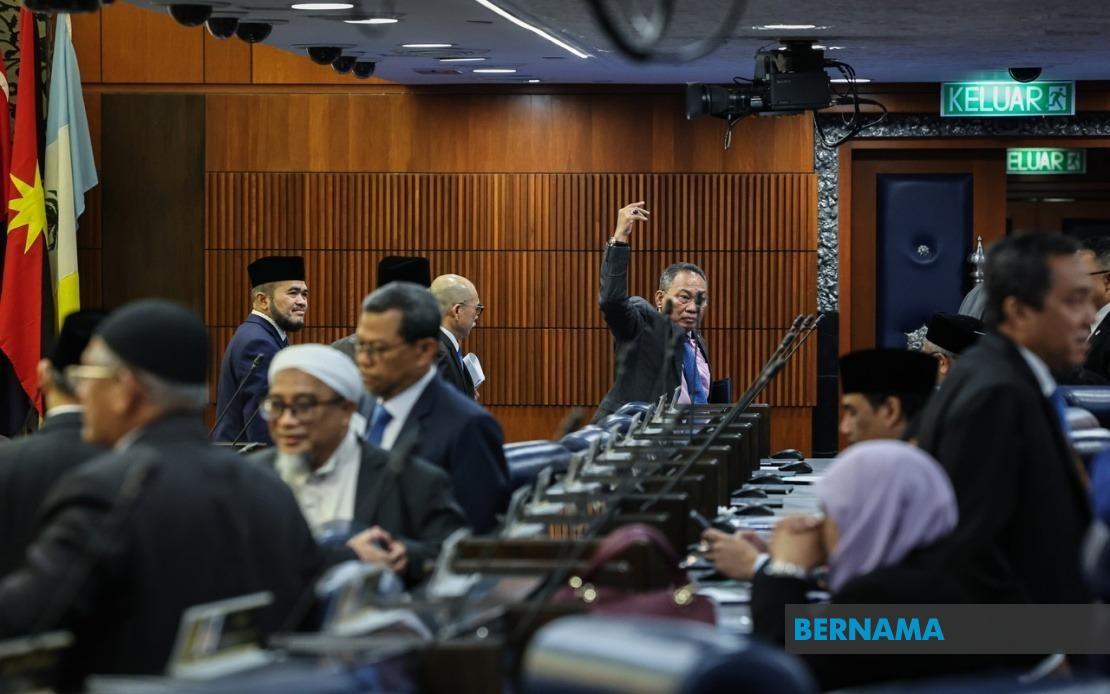
The opposition's walkout from yesterday's parliamentary session discussing the Tabung Haji (TH) Royal Commission of Inquiry report represents a significant abdication of legislators' fundamental duty to interrogate government actions on behalf of the public, according to Malaysian academic experts who say the boycott has weakened democratic oversight mechanisms at a critical juncture for the institution.
Perikatan Nasional (PN) lawmakers, led by Opposition Leader Datuk Seri Hamzah Zainuddin, departed the Dewan Rakyat rather than participate in debate on findings that detailed management and operational weaknesses at the Islamic pilgrimage savings scheme spanning 2014 to 2020. PN Chief Whip Datuk Seri Takiyuddin Hassan initiated the walkout by proposing postponement of the special sitting, citing the medical absence of Prime Minister Datuk Seri Anwar Ibrahim and Deputy Prime Minister Datuk Seri Fadillah Yusof. The ministerial briefing proceeded under the direction of Minister in the Prime Minister's Department (Religious Affairs) Dr Zulkifli Hasan, who assumed responsibility for explaining the RCI's conclusions and outlining remedial steps to restore the fund's financial stability.
Associate Professor Dr Mazlan Ali from Universiti Teknologi Malaysia contends that the opposition's decision to absent itself from the chamber directly contradicts the expectation held by Tabung Haji's 10 million depositors that their representatives would use the parliamentary platform to dissect the inquiry's findings and demand government accountability. Rather than withdrawing in protest, Mazlan argues, opposition lawmakers should have remained present to listen to the minister's presentation, then posed direct questions or initiated debate if they harbored concerns about the adequacy of explanations provided. This measured approach would have placed public welfare above partisan positioning while establishing a comprehensive parliamentary record of scrutiny on an issue affecting millions of ordinary Malaysians.
The decision to demand the Prime Minister's physical presence during the briefing, rather than accepting the religious affairs minister's authority to speak on matters within his portfolio, reflects a misplaced emphasis on theatrical political optics over substantive governance, Mazlan suggests. He observes that Prime Minister Anwar Ibrahim is currently hospitalized and undergoing medical treatment, circumstances that warrant permitting him recovery time without the burden of attending parliamentary sessions. The technical substance of the Tabung Haji RCI report falls within Dr Zulkifli Hasan's ministerial remit, rendering the Prime Minister's attendance less critical than the opposition's apparent theatrical objection suggested.
Dr Nazreena Mohammed Yasin, a senior lecturer in the Department of Social Sciences at Universiti Tun Hussein Onn, reinforces this institutional perspective by emphasizing that active legislative participation represents the most robust mechanism for executing the check-and-balance function that undergirds democratic governance. Through parliamentary debate on the RCI report, individual members of parliament gain an institutional forum to examine the inquiry's conclusions, formulate penetrating questions, and require government officials to provide substantive responses. This structured accountability mechanism operates to strengthen the principle that elected governments must answer to their representatives and ultimately to the electorate for their actions and policy decisions.
The opposition's absence carries downstream implications for effective governance oversight, particularly regarding implementation of reforms flowing from the RCI's recommendations. Nazreena underscores that parliamentary debate provides the mechanism through which follow-up measures, proposed policy adjustments, governance improvements, and administrative reforms can be subjected to open scrutiny before implementation proceeds. When lawmakers withdraw from this process, they forfeit the opportunity to ensure that promised corrective actions genuinely address the weaknesses identified in the inquiry or to demand evidence of their execution.
Crucially, Nazreena notes, ministerial accountability to parliament does not hinge upon the Prime Minister's personal presence in the chamber. Any relevant minister bears responsibility for answering questions from opposition and government lawmakers alike, a principle that the PN delegation's insistence on the Prime Minister's attendance appears to contradict. This requirement that ministers respond to parliamentary interrogation constitutes a foundational element of Westminster-derived parliamentary systems, one that cannot be selectively invoked only when politically convenient.
The boycott risks generating public perception that the opposition prioritizes political theater over substantive defense of depositor interests, a reputational danger that Mazlan identifies as potentially damaging to the opposition's political standing. Tabung Haji operates as a crucial financial institution serving Malaysia's Muslim community, its ongoing sustainability and transparent governance demanding sustained parliamentary vigilance across political lines. When the opposition withdraws from this scrutiny process, it inadvertently creates an appearance of lacking commitment to defending these constituency interests, a political vulnerability that may resonate negatively with depositors and broader voters.
The institutional implications extend beyond immediate reputational calculations. Democratic systems depend upon opposition legislators fulfilling their constitutional obligation to scrutinize government conduct, ask demanding questions, and ensure that public business receives appropriate oversight. The parliamentary debate mechanism exists precisely to facilitate this function through structured, recorded proceedings that create accountability and transparency. When opposition lawmakers voluntarily absent themselves from these proceedings, they diminish the effectiveness of democratic oversight and undermine the institutional credibility of parliament itself as a forum where difficult questions receive answers.
For Malaysian depositors holding savings within Tabung Haji, the opposition's walkout compounds their vulnerability by removing one institutional voice demanding detailed explanation of how government intends to address the RCI's identified weaknesses and implement lasting reforms. The 10 million individuals whose retirement and pilgrimage savings remain at stake have legitimate interest in witnessing robust parliamentary interrogation of government performance and reform commitments. Their elected representatives' decision to withdraw from that interrogation process represents a loss for democratic accountability and institutional trust.
Moving forward, analysts suggest that the opposition confronts a choice between continuing to weaponize legislative procedure for partisan advantage or embracing their constitutional role as check on executive power. The Tabung Haji RCI debate exemplified an opportunity for the opposition to demonstrate commitment to public interest through rigorous scrutiny of government actions on a matter affecting millions of depositors. The decision to boycott instead revealed the political limitations of current legislative opposition strategy and raised questions about whether opposition lawmakers understand their fundamental responsibility to the electorate who elected them to oversee, question, and check governmental conduct regardless of which government holds office.

