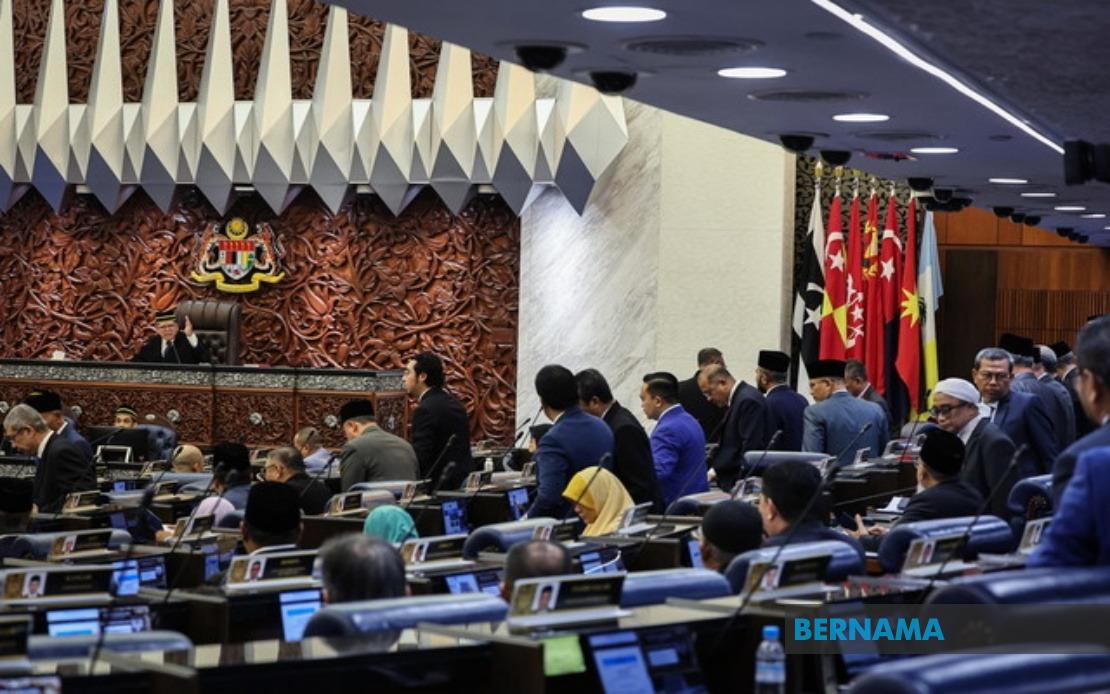
Opposition Members of Parliament staged a coordinated walkout from the Dewan Rakyat on August 11, refusing to participate in a ministerial briefing on the Royal Commission of Inquiry report examining the management and operations of Lembaga Tabung Haji. The boycott created a notable absence during what the government had designated as a special parliamentary session, underscoring deepening tensions within Malaysia's legislative chamber over procedural matters and the conduct of sensitive state institutions.
The mass exodus was precipitated by the lawmakers' objections to Dewan Rakyat Speaker Tan Sri Johari Abdul's decision to proceed with the briefing without the physical presence of Prime Minister Datuk Seri Anwar Ibrahim. The opposition contended that such a significant presentation—one dealing with findings from a royal commission investigating potential misconduct at the Islamic pilgrimage fund—warranted the attendance and participation of the nation's chief executive. Their argument reflected a broader parliamentary principle that major government business should involve senior leadership, particularly when institutional failures are under scrutiny.
Perikatan Nasional's opposition chief whip Datuk Seri Takiyuddin Hassan had formally proposed postponing the special sitting earlier, citing that both Anwar and Deputy Prime Minister Datuk Seri Fadillah Yusof were currently undergoing medical treatment for unspecified health matters. The dual absence of these two highest-ranking government figures created legitimate questions about whether proceeding with substantive parliamentary business represented an appropriate exercise of parliamentary authority. Takiyuddin's motion suggested that deferring the session until key principals could attend would have been the more prudent course.
Speaker Johari responded to the opposition's protest with a characteristically blunt statement that revealed the underlying frustration between the government and opposition benches. Rather than entertaining further debate, he essentially invited lawmakers to make a choice between staying to engage with the material or departing in protest, framing the decision through the lens of public accountability. His assertion that "the public is watching you" carried an implicit criticism of the opposition's motivations, suggesting that boycotting the session was performative rather than substantively principled.
Once the opposition members departed, the parliamentary sitting proceeded with its scheduled order of business without interruption. Minister in the Prime Minister's Department (Religious Affairs) Dr Zulkifli Hasan subsequently delivered the briefing on the RCI findings to the remaining parliamentarians, effectively bifurcating the chamber and creating two separate narratives about the importance and legitimacy of the proceedings. This fragmentation illustrated how parliamentary conventions and consensus have become increasingly strained in Malaysian politics.
The Tabung Haji issue carries particular significance for Malaysia's Muslim-majority population, as the institution manages savings and investment funds for Muslims undertaking the Hajj pilgrimage to Mecca. Any investigation into the fund's management touches upon matters of religious trust and public confidence in Islamic financial institutions. The Royal Commission of Inquiry represented a formal governmental acknowledgment that concerns warranted systematic investigation, making the parliamentary briefing on its findings a potentially consequential moment for institutional accountability.
The opposition's walkout strategy reflects broader patterns of parliamentary contestation that have characterized Malaysian politics in recent years. Rather than merely abstaining from votes or delivering speeches, opposition blocs increasingly employ theatrical boycotts and strategic absences to communicate displeasure with procedural decisions and government conduct. Whether such tactics enhance parliamentary effectiveness or merely deepen polarization remains contested among political observers and democratic practitioners.
The question of leadership presence during important parliamentary business speaks to deeper issues of governance legitimacy. While parliamentary systems theoretically function through delegated ministerial authority, the involvement of the Prime Minister in significant announcements carries symbolic weight that ministerial representatives, however capable, cannot entirely replicate. The opposition's insistence on Anwar's attendance reflected this democratic principle, even as the Speaker determined that proceeding without him remained permissible under standing orders.
The health circumstances affecting both Anwar and Fadillah, though not detailed in official statements, added complexity to the situation. Parliamentary operations must balance flexibility regarding unforeseen circumstances against principles of transparency and leadership accountability. The opposition appeared to argue that a brief postponement would have accommodated medical needs while preserving the integrity of the briefing process.
For Malaysian constituents interested in institutional governance, the incident illustrated how parliamentary procedure intersects with political strategy. The composition of those remaining to hear Dr Zulkifli Hasan's briefing would have consisted disproportionately of government-aligned MPs, potentially skewing the subsequent discussion and media coverage. This outcome likely contributed to the opposition's calculation that walking out, despite appearing uncooperative, represented the more strategically defensible position.
The Tabung Haji RCI findings themselves would require scrutiny independent of the parliamentary theatre surrounding their presentation. Malaysians relying on the fund needed assurance that any institutional shortcomings identified would receive serious remedial attention, regardless of whether opposition lawmakers remained in the chamber to hear initial briefings. The actual content and recommendations of the commission would ultimately matter more than the attendance records during parliament's preliminary discussion.
This confrontation adds to accumulating evidence that Malaysian parliamentary norms continue evolving amid political fragmentation. Both government and opposition bear responsibility for maintaining institutional functionality, yet disagreements over procedural matters increasingly culminate in dramatic gestures rather than negotiated compromise. Future parliamentary operations may require more explicit agreements about how to handle executive absences during significant business to prevent similar standoffs.

