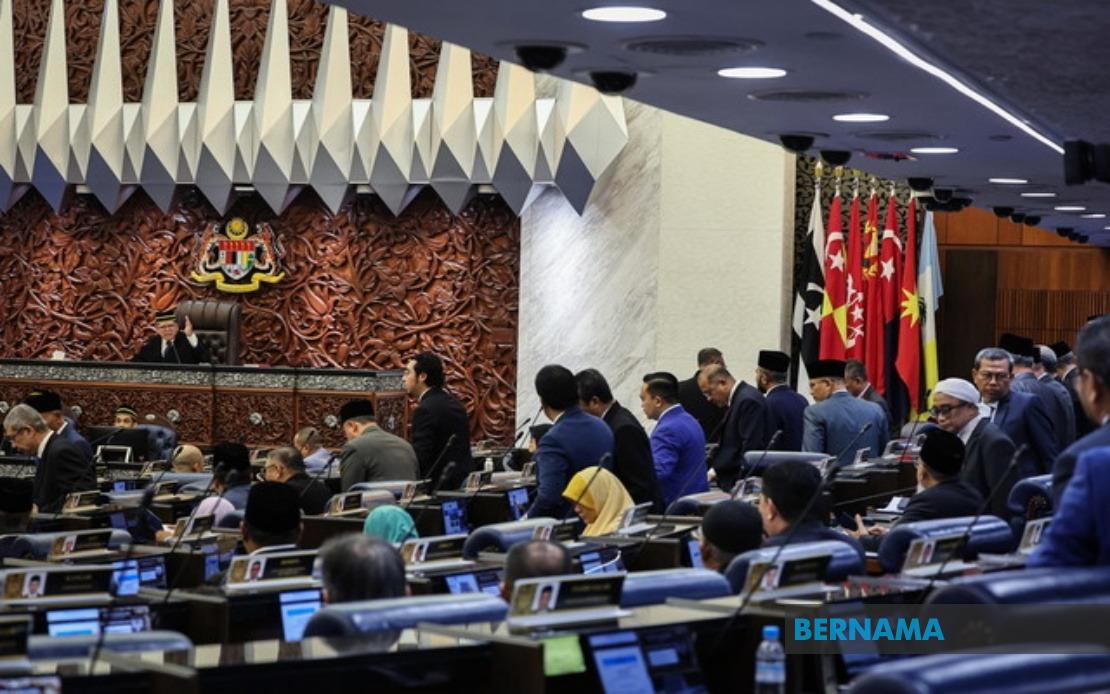
The decision by Perikatan Nasional parliamentarians, including Opposition Leader Datuk Seri Hamzah Zainudin, to abandon the Dewan Rakyat during the special sitting on the Tabung Haji inquiry represents a critical moment in how Malaysia's opposition engages with institutional accountability. On August 11, PN Chief Whip Datuk Seri Takiyuddin Hassan moved to adjourn proceedings after Prime Minister Datuk Seri Anwar Ibrahim and Deputy Prime Minister Datuk Seri Fadillah Yusof were unable to attend due to ongoing medical treatment. When the motion failed, Opposition MPs withdrew entirely, forgoing the opportunity to participate in what promised to be a significant parliamentary examination of the Lembaga Tabung Haji's troubled finances and governance failures.
The walkout carries substantial symbolic weight. For approximately 1.7 million Tabung Haji depositors across Malaysia—predominantly low and middle-income Muslim Malaysians who have entrusted their savings for hajj pilgrimages—the public inquiry into the fund's management represents a rare parliamentary spotlight on their grievances. The Royal Commission of Inquiry report, released publicly on July 29 following government approval, contains findings that directly affect their financial wellbeing and trust in one of Malaysia's most important Islamic financial institutions. The special sitting was designed to enable thorough legislative scrutiny of these findings, yet the Opposition's absence fundamentally diminished that parliamentary function.
Prof Datuk Dr Sivamurugan Pandian from Universiti Sains Malaysia's School of Social Sciences has articulated a nuanced critique of the Opposition's tactical approach. Rather than viewing the walkout as a principled stand for depositor welfare, Sivamurugan characterizes it primarily as a political protest choreographed around the Prime Minister's inability to attend. This distinction carries weight: there exists a meaningful difference between parliamentary absence as a last resort against institutional obstruction and parliamentary absence as a protest mechanism over leadership attendance. The professor notes that remaining in the chamber would have offered Opposition MPs a more substantive venue to place their arguments, questions, and policy proposals directly into the official parliamentary record—a permanent document that demonstrates commitment to depositor interests far more convincingly than theatrical departure.
The fact that not all Opposition MPs participated in the walkout underscores internal disagreement about the tactic's merit. This fracturing of the Opposition bloc suggests differing assessments of whether symbolic protest or substantive parliamentary engagement better serves their political and policy objectives. Such divisions indicate uncertainty within Opposition leadership about the efficacy of their chosen strategy, even as they implement it. Some Opposition parliamentarians apparently calculated that remaining and engaging with the RCI findings would better position them to hold the government accountable and articulate alternative solutions to Tabung Haji's challenges.
Parliamentary procedure exists precisely to create an official record of government accountability. When lawmakers withdraw before critical debates, they forfeit their most powerful institutional tool: the permanent documentation of their arguments, evidence, and proposals within Hansard, Parliament's official record. This documentation becomes historical testimony to either government failure or successful opposition scrutiny. In matters affecting millions of ordinary Malaysians like Tabung Haji depositors, this record serves as the foundation for future policy correction, legal action, and institutional reform. A walkout generates immediate news coverage and demonstrates visible protest, but debate creates the authoritative record that genuinely protects constituent interests over time.
Sivamurugan emphasizes that the Prime Minister's physical absence, while politically significant, does not necessarily justify Opposition withdrawal from substantive legislative work. The Opposition could have remained in the chamber, systematically presented criticisms of government handling of Tabung Haji, articulated specific policy alternatives, and effectively used parliamentary question time and debate to expose perceived failures. This approach would have positioned Opposition MPs as constructively engaged in parliamentary governance rather than as protesters who abandoned their legislative responsibilities. The symbolic power of demonstrating commitment to depositor welfare through tireless parliamentary scrutiny arguably exceeds the symbolic power of a walkout.
Yet the professor acknowledges that the Prime Minister's absence itself carries symbolic significance that Opposition members legitimately perceive as problematic. When the government schedules a special parliamentary sitting to discuss findings affecting millions of depositors, the attendance and engagement of senior leadership matters both substantively and symbolically. It signals governmental priority and respect for parliamentary process. The Prime Minister's unavailability due to medical treatment, while understandable, does create a legitimate grievance about whether the government is taking this particular accountability moment seriously. The Opposition's frustration reflects real concerns about institutional respect and governmental prioritization.
The deeper issue concerns what effective parliamentary opposition actually entails in Malaysia's context. Walkouts generate headline coverage, provide satisfying visual testimony to anger and protest, and create the appearance of principled resistance. Yet they also cede the most powerful institutional platform available to legislators—the chamber itself, where arguments, evidence, and proposals become part of the permanent parliamentary record. For opposition parties seeking to influence policy, protect constituent interests, and build a track record of competent governance, remaining engaged while voicing criticism often proves more strategically valuable than theatrical exit.
Tabung Haji depositors, many of whom rely heavily on their hajj savings and have experienced serious financial losses due to the institution's previous mismanagement, ultimately benefit most from thorough parliamentary scrutiny. The RCI report provides specific findings about what went wrong. The special sitting was designed to enable legislators to examine these findings in detail and propose solutions. When the Opposition walks out, it surrenders the opportunity to cross-examine government explanations, propose depositor compensation mechanisms, demand management reforms, or otherwise use parliamentary tools to advance depositor interests concretely.
The sustainability of parliamentary democracy depends on opposition parties using their institutional power strategically. This requires distinguishing between symbolic protest and substantive oversight. Walkouts certainly serve a protest function and communicate dissatisfaction. However, they also potentially undermine the Opposition's own stated commitment to protecting ordinary Malaysians affected by government policy failures. If the Opposition genuinely prioritizes Tabung Haji depositors' welfare, the stronger message would involve remaining in the chamber, thoroughly questioning government responses to the RCI findings, and proposing concrete legislative remedies.
Moving forward, this debate about parliamentary tactics should influence how Malaysia's opposition engages with future institutional accountability moments. The question facing PN leadership and other Opposition parties is whether they understand Parliament primarily as a platform for protest symbolism or as a tool for substantive governance oversight. For constituencies like Tabung Haji depositors awaiting legislative action to protect their interests, the answer to that question has material consequences for their financial security and faith in democratic institutions.

