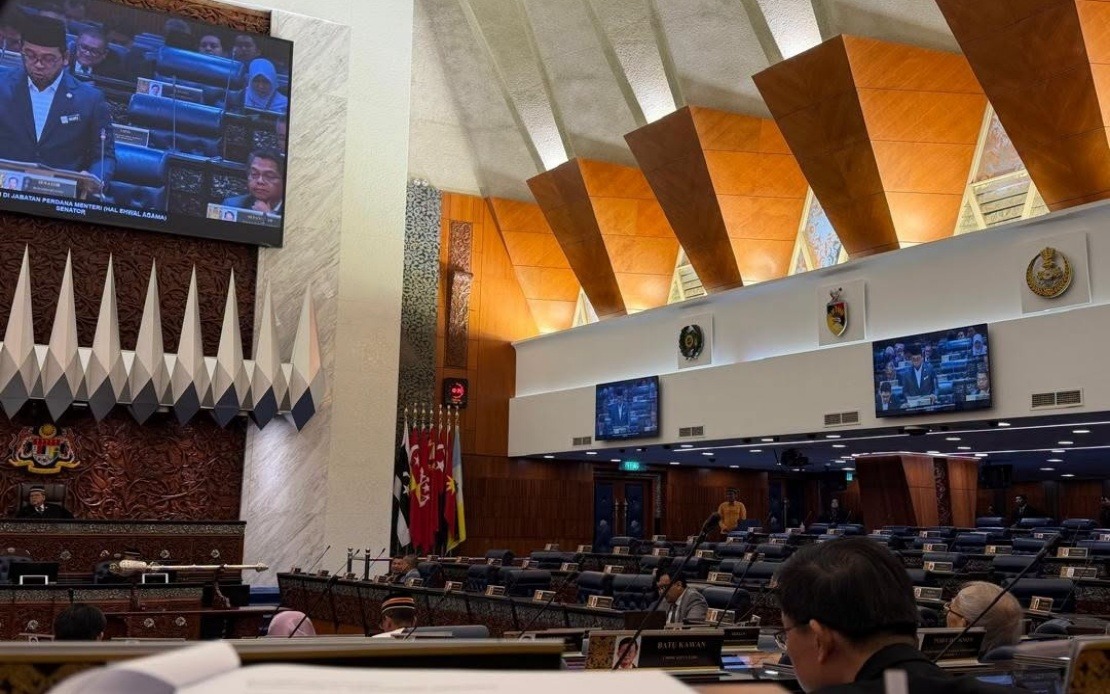
A dramatic parliamentary moment unfolded when opposition MPs abandoned the Dewan Rakyat during a special sitting dedicated to discussing the Royal Commission of Inquiry findings on Lembaga Tabung Haji, prompting fierce rebuke from the government benches. The coordinated departure, staged before Minister in the Prime Minister's Department for Religious Affairs Dr Zulkifli Hasan could present details of the report to Parliament, has ignited a fresh round of political recriminations over parliamentary conduct and accountability.
Datuk Seri Dr Zaliha Mustafa, chairman of the MADANI Government Backbenchers Club and Sekijang MP, seized on the walkout as evidence that opposition parties lack genuine commitment to the issues they publicly champion. Speaking through a Facebook post, she articulated the government narrative that the opposition had deliberately avoided an opportunity to formally challenge, debate and scrutinise the RCI findings through parliamentary procedure. The timing of the departure, she suggested, revealed inconsistency between opposition rhetoric outside Parliament and their actions within it.
The immediate trigger for the opposition's withdrawal centred on parliamentary protocol. Opposition MPs objected to Speaker Tan Sri Johari Abdul proceeding with the session without Prime Minister Datuk Seri Anwar Ibrahim present. Perikatan Nasional chief whip Datuk Seri Takiyuddin Hassan had earlier proposed postponement, citing the medical treatment being received by both Anwar and Deputy Prime Minister Datuk Seri Fadillah Yusof. This procedural dispute masked deeper political tensions over how Parliament should handle matters of significant public interest when senior government figures are unavailable.
The Tabung Haji issue carries considerable weight in Malaysian politics, touching on governance of one of the nation's most significant Islamic financial institutions. The fund, which manages deposits from millions of Muslim Malaysians saving for pilgrimage to Mecca, operates at the intersection of religious obligation and state stewardship. Any inquiry into its management carries implications for how the government manages public trust and Islamic institutions, making parliamentary scrutiny genuinely consequential rather than merely procedural.
Dr Zaliha's critique centred on what she portrayed as selective commitment to transparency. She argued that if opposition parties truly championed Islamic interests and Muslim financial security, they should have remained in the chamber to challenge the government's handling of Tabung Haji and to defend their own positions on how the fund should operate. The walkout, from this perspective, suggested the opposition prioritised political posturing over substantive engagement with a matter affecting millions of depositors.
The government backbencher posed a pointed question: what outcome did the opposition actually seek? By refusing to participate in parliamentary debate, she suggested, opposition MPs forfeited their chance to shape the record, test government testimony, and propose alternative approaches on the public record. For Malaysian citizens concerned about their Tabung Haji savings, the opposition's absence from this debate removed one layer of institutional scrutiny that parliamentary democracy is supposed to provide.
Yet the opposition's position reflected genuine constitutional concerns about proper parliamentary procedure. The absence of the Prime Minister from a major policy briefing represents a departure from standard practice, regardless of his health circumstances. Opposition MPs may have reasoned that participating would implicitly legitimise a diminished form of parliamentary accountability, where senior leadership need not be present to defend major government reports. Their walkout, in this reading, constituted protest against the procedural shortcoming rather than disinterest in Tabung Haji governance itself.
The incident illustrates broader challenges facing Malaysian parliamentary democracy. Both government and opposition operated within their respective political logic: the government emphasising that Parliament could still function with ministerial briefings, the opposition arguing that parliamentary legitimacy depends on proper attendance by key figures. For Malaysian observers accustomed to robust parliamentary scrutiny, the absence of sustained debate on an RCI report affecting millions of citizens raises questions about what mechanisms ensure institutional accountability when normal procedures break down.
The Tabung Haji RCI itself represents an important institutional moment. Royal Commissions of Inquiry typically emerge when governments recognise that governance questions require independent investigation. The report presumably contains findings and recommendations about management practices, financial stewardship, and possibly regulatory reform. Parliament serves as the primary forum where these findings should be publicly examined, contested, and either accepted or rejected through transparent debate. When opposition engagement is absent from this forum, even for procedurally justified reasons, the breadth of parliamentary scrutiny diminishes.
Government narratives around the walkout also carry strategic weight in upcoming political conversations. If the opposition can be portrayed as unserious about protecting Muslim financial interests, this affects their positioning on religious governance issues more broadly. Malaysian Islamic politics remains intensely competitive, with parties constantly claiming superior commitment to Muslim welfare. An opposition absence from parliamentary debate on Tabung Haji management provides opposition critics with ammunition suggesting partisan interests outweigh genuine concern for depositors.
The Tabung Haji institution itself warrants closer examination in this political context. As a critical vehicle for Islamic financial practice among Malaysian Muslims, debates about its governance touch on fundamental questions of trust between government and the Islamic community. Citizens need confidence that their pilgrimage savings are properly managed, and they need assurance that Parliament—government and opposition together—takes this responsibility seriously. Political theatre that reduces this issue to partisan advantage ultimately damages public confidence in democratic institutions.
Moving forward, both government and opposition face pressure to demonstrate sustained engagement with Tabung Haji governance beyond the parliamentary walkout. The RCI report itself requires public discussion, implementation of recommendations, and ongoing parliamentary oversight. Whether opposition parties can re-engage meaningfully with this agenda, moving past the procedural dispute, will indicate whether their concerns about parliamentary standards reflect genuine constitutional principle or merely convenient political positioning.

