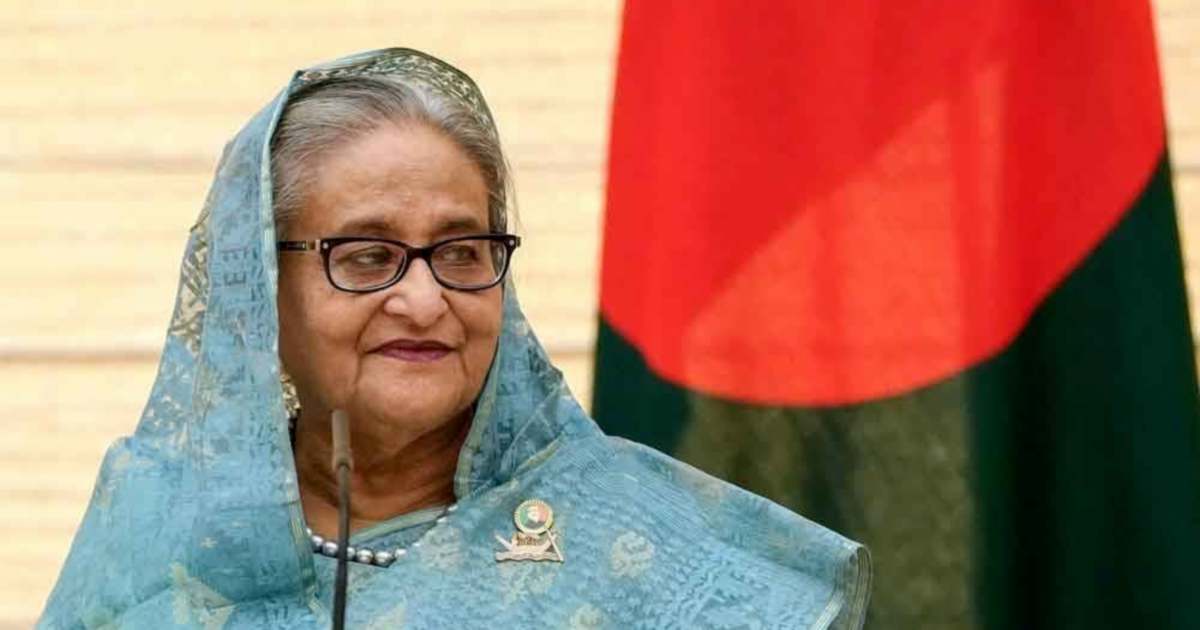
Former Prime Minister Sheikh Hasina has publicly committed to returning to Bangladesh within the calendar year, undeterred by a capital conviction delivered while she remains outside the country. Her defiant stance represents a significant challenge to the current administration and signals potential political upheaval in the South Asian nation if she follows through on her pledge.
Speaking from her current location, Hasina categorically rejected the death sentence as lacking legal foundation. She characterised the proceedings against her as unconstitutional and driven by political considerations rather than judicial merit. This assertion reflects her interpretation that the current authorities weaponised the legal system against her following her ouster, a common accusation levelled by deposed leaders seeking to contest the legitimacy of their removal.
The sentencing in absentia underscores the severity of Bangladesh's internal political crisis. Capital punishment represents the harshest legal penalty available, signalling the gravity with which the interim government views charges against Hasina. However, her willingness to challenge such a verdict publicly suggests she either questions its enforceability internationally or believes domestic political circumstances may have shifted sufficiently to protect her from immediate arrest upon return.
Hashina's departure from Bangladesh occurred amid mass protests and civil unrest that fundamentally reshaped the nation's political landscape. Her removal represents one of South Asia's most significant leadership transitions in recent years, with broader implications for regional stability and democratic institutions. The prospect of her return introduces considerable uncertainty into Bangladesh's already volatile domestic environment.
For Malaysian observers and policymakers, Bangladesh's political turbulence carries practical significance. The two nations maintain substantial bilateral relationships spanning trade, labour migration, and cultural ties. Instability in Dhaka directly affects Malaysian interests, particularly given Bangladesh's large diaspora workforce in Malaysia and the interconnected nature of Southeast Asian geopolitics. A political showdown between Hasina and current authorities could escalate unrest and humanitarian challenges affecting the entire region.
Hashina's decision to remain internationally active despite facing capital charges illustrates the precarious position of deposed South Asian leaders. Unlike some previous instances where ousted premiers accepted exile, Hasina appears determined to reclaim her political position domestically. This strategy carries substantial personal risk but also suggests she perceives genuine support among sections of Bangladesh's population who might mobilise on her behalf.
The death sentence itself raises questions about judicial independence within Bangladesh's current system. International observers, including human rights organisations, have scrutinised the trial's procedures and fairness. Hasina's characterisation of the verdict as unconstitutional appeals to those concerned about the rule of law, potentially galvanising opposition to the interim government beyond her immediate political base.
Hashina's political career spans decades of Bangladesh's modern history. Her previous tenures as Prime Minister left substantial legacies affecting infrastructure, economic policy, and regional diplomacy. Many Bangladeshis retain significant memories of her administration's achievements and failures, complicating the picture of her current standing. A genuine return would not simply restore one individual to power but potentially reshape the ideological direction of governance.
The timeline she invoked—return within this calendar year—introduces urgency to Bangladesh's political trajectory. This explicit commitment creates expectations among her supporters while simultaneously pressuring the interim government to determine how it would respond to her physical presence. Whether Hasina can actually fulfil this pledge depends partly on factors beyond her control, including the international community's posture toward Bangladesh's stability and the interim government's willingness to risk confrontation.
Regional allies and international powers monitoring Bangladesh's situation face challenging calculations. Supporting Hasina's return risks destabilising a nuclear-armed neighbour, while enabling indefinite exile of a democratically elected leader sets concerning precedents. These considerations affect how countries including India, China, and Western nations calibrate their Bangladesh policies moving forward.
The stakes extend beyond factional politics. Bangladesh's constitutional framework, democratic institutions, and rule of law all hang in the balance as these competing forces mobilise. Whether courts will reconsider verdicts delivered in absentia, whether Hasina's supporters organise to secure her safety, and how security forces respond remain open questions that will shape Bangladesh's immediate future.
For observers across Southeast Asia and South Asia, Hasina's declaration serves as a bellwether of Bangladesh's political direction. Her return—or failure to return—will carry profound implications for regional stability, democratic norms, and the precedent established for managing leadership transitions in nuclear-armed nations.

