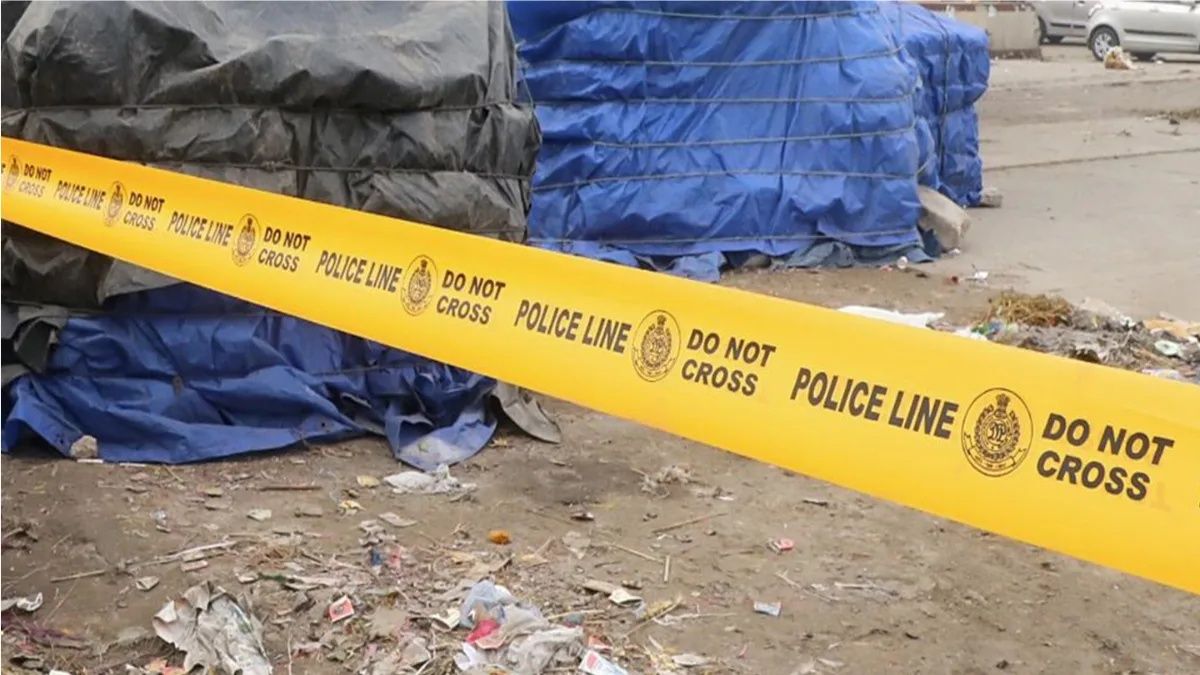
A horrific crime against a child in West Bengal's Baruipur district has sparked escalating violence and a major law enforcement challenge, with a suspected perpetrator beaten to death by an enraged mob and transport networks disrupted for hours. The discovery of the 12-year-old girl's body in a pond near her home in Suryapur on Sunday morning ignited a firestorm of community anger that overwhelmed police capacity to maintain order, highlighting the persistent challenge of mob justice in rural Indian communities despite official condemnation and reform efforts.
The girl had departed her residence on Saturday evening to purchase food from a local vendor but did not return home. Her family soon reported her missing and alleged that four men had forcibly abducted her before she disappeared. Following an anxious overnight search through the neighbourhood, her body was discovered floating in a pond adjacent to her residence on Sunday morning, wrapped inside a sack—a detail that would fuel the ferocity of the subsequent reaction from villagers who gathered at the scene.
The moment word spread through the locality, the atmosphere transformed from shock into collective rage. Hundreds of residents converged on the recovery site, and many refused to permit police officers to retrieve and transport the body for medical examination, a delay that itself became a flashpoint for tension. The obstruction represented both grief and a demand for immediate action, reflecting deep distrust of investigative processes and a desire for swift, visible accountability that official mechanisms seemed unlikely to deliver with sufficient speed.
The protests rapidly evolved into multiple forms of disruption across the district. Demonstrators established roadblocks that paralysed traffic for nearly five hours, while simultaneously blocking railway tracks at Suryapur station on the Sealdah-Namkhana line, forcing authorities to suspend train services. Only after about an hour of disruption and substantial police intervention could normal rail operations resume, though at considerable logistical cost to the region's transport infrastructure. Accompanying these blockades, protesters burned tyres and vandalised vehicles, turning their grief into visible destruction that communicated the depth of community feeling.
The situation deteriorated further when local residents apprehended a youth whom they suspected of involvement in the crime, based on claims that he had been seen in the company of other suspected perpetrators. Rather than deliver him intact to police custody, the mob allegedly beat him to death—a fatal case of vigilante justice that police proved unable to prevent despite their presence. Officers who attempted to rescue the youth encountered fierce resistance, with protesters allegedly hurling stones and launching attacks that resulted in injuries to several police personnel, forcing one officer to seek hospital treatment for wounds sustained during the confrontation.
The escalating violence between protesters and police transformed what began as a demand for justice into a broader breakdown of civil order. The deployment of substantial police contingents and central forces eventually restored a degree of control, though the underlying tensions remained palpable. Inspector General of Police for the Presidency Range, Kankar Prasad Barui, visited the location and used a public address system to appeal for restraint while simultaneously assuring residents that perpetrators would face rigorous prosecution. His statement—that none involved in the "heinous crime" would escape justice and that authorities would pursue the "strongest possible punishment"—represented an attempt to channel public anger back toward legal processes rather than vigilante action.
West Bengal Chief Minister Suvendu Adhikari personally contacted the victim's father by telephone on Sunday, offering both condolences and explicit assurances that the accused would receive maximum punishment under law. The Chief Minister also extended an invitation for the bereaved parent to visit Nabanna, the state secretariat, on Tuesday to discuss the investigation and offered government support, a gesture that acknowledged both the gravity of the crime and the need to rebuild public confidence in official institutions' capacity to deliver justice.
The girl's remains were ultimately conveyed to Baruipur Sub-Divisional Hospital for post-mortem examination, conducted under legal protocols as officials sought to preserve forensic evidence crucial for prosecution. Police records indicate that two individuals have been formally arrested in connection with the murder, while a third suspect was initially apprehended by local residents before being transferred to official custody. Investigators are working to establish the precise sequence of events and the roles played by each suspect in both the initial crime and the subsequent mob violence.
Second-tier investigations now extend beyond the original alleged offence to encompass the mob lynching itself and attacks on police personnel, representing a complex prosecutorial challenge. Authorities have heightened security across the area to forestall further eruptions of vigilante violence while evidence gathering proceeds. The case underscores a persistent tension in rural and semi-urban India: the simultaneous public demand for swift justice and the fragility of institutional mechanisms designed to deliver it through orderly legal proceedings rather than mob action.
The incident carries particular resonance for Southeast Asian observers given the region's own struggles with mob violence and public order, particularly in contexts where institutional trust remains contested. The episode demonstrates how even high-profile intervention by senior political figures—in this case the state Chief Minister's personal involvement—may prove insufficient to immediately quell public anger when faith in investigative and judicial systems has eroded. While authorities have secured arrests and promised rigorous prosecution, the question remains whether these gestures can satisfy community demand for immediate, visible accountability before alternative mechanisms of justice reassert themselves.
As investigators continue their work, the broader challenge facing Baruipur and neighbouring areas involves restoring public confidence in police capacity and judicial fairness while simultaneously preventing further cycles of mob action. The deployment of additional security forces provides short-term stability but addresses symptoms rather than underlying causes—the perception that formal justice mechanisms move too slowly or deliver insufficient punishment for crimes against vulnerable populations. Whether the promised rigorous prosecution and maximum penalties can bridge this confidence gap will likely determine whether the region experiences tranquility or continued volatility in coming weeks.

