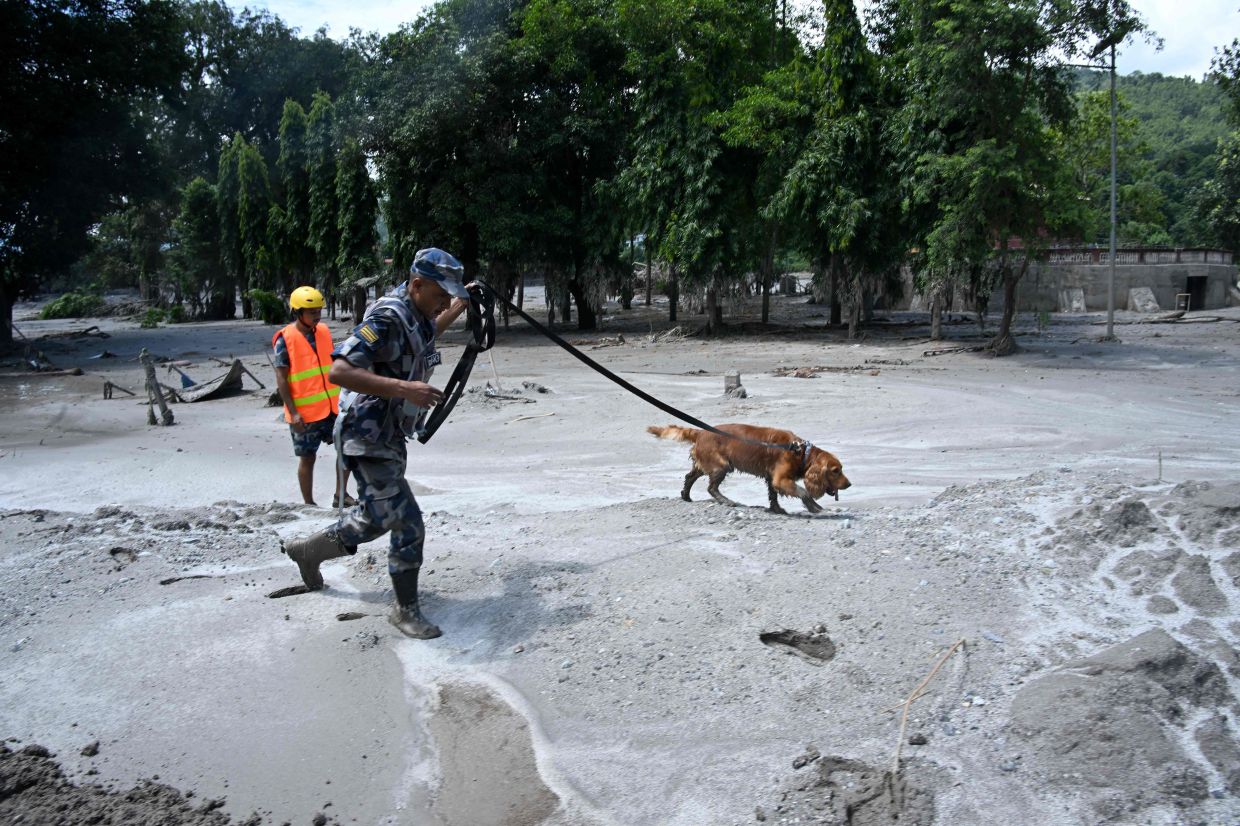
A devastating sequence of flash floods and landslides has struck the Nepal-Tibet border region, claiming at least 392 lives while leaving more than 1,400 people unaccounted for in what appears to be one of the region's most significant natural disasters in recent years. The calamity has scattered casualties and displaced persons across two countries, creating a complex humanitarian emergency with confusion compounded by differing national count methodologies and the inherent chaos of disaster response operations.
The figures emerging from official sources reveal the scale of uncertainty that typically characterises the immediate aftermath of major catastrophes. Nepal's disaster management agency reported 910 missing individuals as of Thursday, 27 August, with at least 517 being foreign nationals whose nationalities remained unspecified at that stage. Across the border, Chinese authorities documented 558 missing persons including 260 foreigners, bringing the combined total to 1,468 unaccounted individuals. These numbers are expected to fluctuate as rescue operations continue, double-counted individuals are identified, bodies are matched against missing person lists, and the fog of emergency response gradually clears.
Malaysia has particular reason for concern following Prime Minister Anwar Ibrahim's disclosure that more than 50 Malaysian nationals in Nepal remain unreachable following the disaster. The Nepal Tourism Board's tally placed the figure at 51 Malaysians among the missing, though as with all such figures, verification continues as communication channels gradually restore and individuals are located. This represents a significant cluster of Southeast Asian nationals caught in the emergency, highlighting the region's substantial tourism and labour presence in Nepal's mountain territories.
Indian nationals constitute another substantial cohort among the missing, with the Nepal Tourism Board identifying 178 from India unaccounted for, though rescue teams had successfully extracted eleven others by the time of reporting. The United States State Department indicated that 90 American citizens were missing while noting that three had been rescued and no US fatalities had been confirmed at that stage, though the Nepal Tourism Board had initially suggested a lower figure of 65. These discrepancies underscore the genuine difficulty in establishing accurate counts when official bodies in different countries track incidents independently and definitions of "missing" vary.
European nationals figure prominently among the missing. Ukraine's foreign ministry stated that 56 Ukrainian nationals remained "out of contact" following the floods, though it emphasised that verified information showed no Ukrainians among the injured or deceased. The United Kingdom reported 33 missing citizens, while Canada indicated awareness of approximately 30 Canadian nationals and permanent residents whose whereabouts remained unconfirmed, a figure slightly higher than the Nepal Tourism Board's count of 25. Australia's Foreign Minister Penny Wong disclosed that the number of missing Australian nationals had reached 39 by Friday.
Asia-Pacific nations also experienced significant impact. New Zealand reported five missing nationals, while Japan's missing count stood at five. South Korea's foreign ministry indicated that nine hydropower workers in the Rasuwa district had lost contact following the initial flooding, though the Nepal Tourism Board subsequently reported that four South Korean nationals had been rescued. Singapore accounted for nine missing nationals from its population of overseas residents and tourists.
China's own missing figures paint a picture of substantial foreign involvement in the border region's economy and tourism sector. Beijing's foreign ministry indicated that nearly 100 Chinese nationals were among those unaccounted for on the Nepali side, though the Nepal Tourism Board's separate count placed Chinese nationals missing in Nepal at 24, suggesting either reclassification or differing verification standards between the two governments. The 558 missing on the Chinese side of the border included 260 foreigners, indicating substantial cross-border activity in the affected region.
Other nations with missing nationals include Germany with eight unaccounted for, Russia with eight missing though two successfully rescued, Latvia with six, South Africa with six, France with four, and New Zealand with five. This geographical spread demonstrates how the affected border region serves as a hub for international tourism, hydroelectric development projects, and regional commerce that draws workers and visitors from across the globe.
The disaster's toll on the tourism industry underscores Nepal's dependence on international visitors for economic activity. The Nepal Tourism Board compiled figures specifically for missing tourists and travellers—both Nepali and foreign—totalling 667 individuals, with 127 Nepali visitors included in this subset. The precise distinction between tourists, temporary workers, permanent residents, and local populations remains critical as authorities attempt to establish comprehensive casualty and missing person records. However, the precise number of local Nepali residents unaccounted for has not yet been clarified, suggesting that determination remains an ongoing challenge as rescue operations continue in difficult terrain.
The complexity of establishing accurate figures reflects broader challenges in disaster response across the Himalayan region, where mountainous terrain, limited infrastructure, and cross-border jurisdictional issues complicate rescue and recovery operations. The fluctuations expected in coming days—whether upward or downward—will result from processes including identification of double-counted individuals, confirmation of deaths among those initially missing, location of individuals who had left the area before or after the disaster, and reconciliation of different counting methodologies employed by national governments and international agencies. Regional governments and international organisations must coordinate closely to establish verified counts while continuing intensive search and rescue operations in what remains an active emergency situation.

