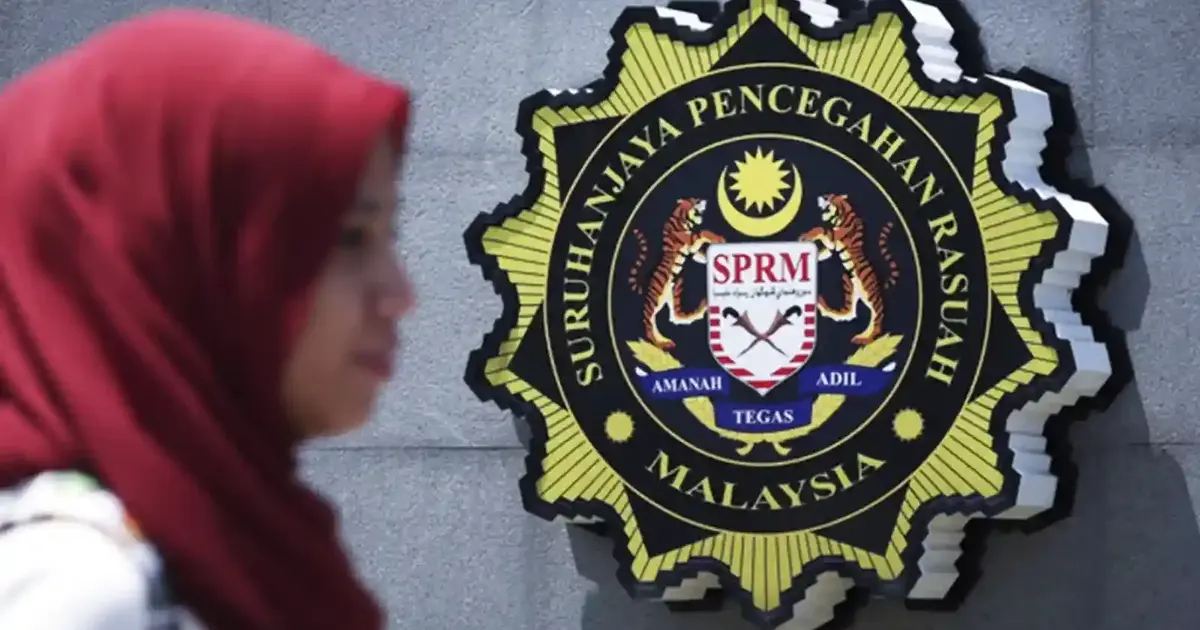
The Malaysian Anti-Corruption Commission (MACC) has launched a comprehensive enforcement operation targeting individuals suspected of submitting fraudulent claims to Perkeso, with over 100 suspects expected to face criminal charges as the investigation intensifies across the country. The initiative represents a significant push by the anti-corruption body to root out systemic abuse of Malaysia's social security system, which provides vital coverage to workers across the nation. As of the latest update, 29 suspects have already been formally charged in proceedings held in multiple states, marking substantial progress in what appears to be one of the larger coordinated investigations into Perkeso-related misconduct in recent years.
The charges relate to a pattern of allegedly fraudulent applications and claims made to the Socso scheme, formally known as Perkeso (Pertubuhan Keselamatan Sosial). This system serves as a critical safety net for Malaysian workers, offering protection against occupational injuries, disabilities, and related contingencies. When individuals submit false claims or misrepresent circumstances to obtain benefits they are not entitled to, it erodes public resources that should legitimately support workers facing genuine hardship. The scale of the suspected fraud uncovered suggests that vulnerabilities in verification processes or deliberate exploitation may have persisted undetected for some time before triggering this enforcement response.
The geographic spread of the charging process across multiple states underscores the national scope of the apparent fraud network. Rather than isolated incidents confined to a single region, the distribution indicates that either the same organised scheme operated across state boundaries, or alternatively, similar patterns of misconduct emerged independently in different localities. Either scenario points to systemic weaknesses that Perkeso and MACC must address to prevent future occurrences. The coordination between MACC and relevant state authorities demonstrates the importance of inter-agency cooperation when tackling fraud that crosses administrative boundaries.
For Malaysian readers and residents, this crackdown carries practical implications. First, it signals that authorities are taking seriously their responsibility to protect the integrity of the social security system that millions depend upon. When fraudulent claims drain resources, legitimate beneficiaries—injured workers, those with occupational diseases, and families of deceased workers—face potential shortfalls in support. Second, the enforcement action may serve as a deterrent, making potential fraudsters think twice before attempting false claims. Third, the investigation may ultimately lead to system improvements that make Perkeso more resistant to abuse while remaining accessible to genuine claimants.
The investigation also reflects broader concerns about integrity within government-administered benefit systems across Southeast Asia. Malaysia is not alone in facing social security fraud challenges; similar issues have surfaced in neighbouring countries and globally. The MACC's decisive response positions Malaysia as taking a proactive stance on this issue, which could influence how other regional authorities approach comparable problems. The transparency of announcing the investigation and charging numbers publicly also builds confidence that the system is actively policed rather than permissive.
From a governance perspective, the comprehensiveness of the investigation—targeting over 100 individuals—suggests that MACC may have uncovered a more serious problem than typical isolated cases of fraud. The decision to publicise these enforcement actions signals confidence in the evidence gathered and serves an important public education function. However, the gap between 29 already charged and over 100 suspects identified indicates that prosecution processes will extend considerably into future months, potentially keeping this issue in the public eye for an extended period.
The fraud allegations also raise questions about how false claims successfully navigated Perkeso's internal controls. Understanding whether suspects exploited genuine loopholes, forged documentation, or manipulated information through collusion with insiders will be crucial for implementing preventive measures. These questions will likely emerge during court proceedings and subsequent reviews of Perkeso's administration. The outcome of these cases may spark policy discussions about modernising claims verification systems, potentially incorporating digital identity verification and enhanced document authentication.
For workers legitimately using Perkeso benefits, reassurance about the system's integrity matters significantly. Knowing that authorities actively investigate fraud demonstrates that funds allocated for social protection are being safeguarded. This confidence is essential for maintaining public faith in contributory social security schemes, where workers regularly pay premiums expecting reliable coverage when needed. Any perception that the system is riddled with fraud could undermine this essential trust.
Looking ahead, the progress of these cases through the courts will provide important indicators about enforcement trends in Malaysia's anti-corruption agenda. The MACC's capacity to pursue such large-scale investigations and coordinate charging processes across multiple jurisdictions reflects institutional maturation in anti-corruption efforts. However, sustained commitment will be necessary to ensure that subsequent phases of the investigation maintain momentum and that convicted individuals face appropriate penalties that reflect the seriousness of defrauding a social safety net system.

