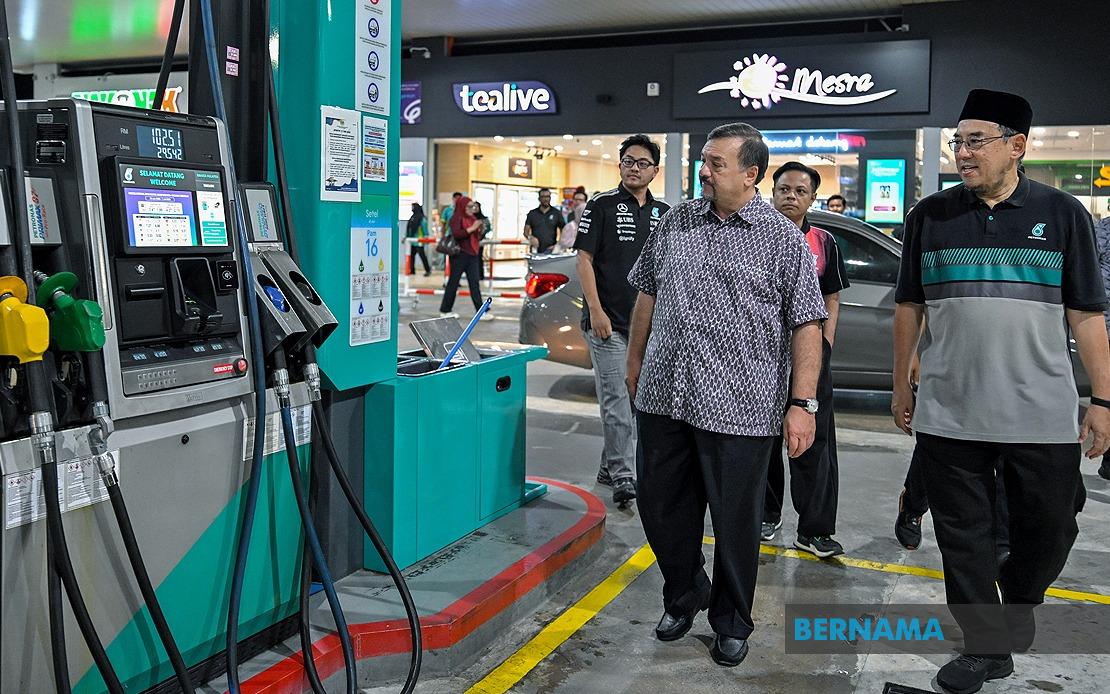
The BUDI MADANI Diesel initiative has generated considerable uptake since its early rollout began, with the official portal processing more than 18,000 applications for expanded fuel quotas by mid-evening on June 28. Second Finance Minister Datuk Seri Amir Hamzah Azizan announced the encouraging participation rate while emphasising that the programme's launch phase has unfolded without operational disruptions, positioning the government favourably ahead of the scheme's full commencement on July 1.
Eligible proprietors of diesel-powered pickup trucks and sport utility vehicles stand to access an additional 100 litres of subsidised diesel monthly through the newly expanded BUDI MADANI framework. The preliminary phase, which commenced in Peninsular Malaysia, enables qualifying users to purchase fuel at RM2.15 per litre, with the subsidised rate scheduled to decrease marginally to RM2.10 from Wednesday onwards. The flexible quota structure accommodates up to 200 litres monthly for registered users, representing a substantial adjustment to fuel cost management for commercial and semi-commercial vehicle operators across the country.
The scale of early engagement underscores significant demand within the target demographic. Amir Hamzah highlighted that the portal has already facilitated more than 40,000 transactions since the initiative's inception, suggesting both strong awareness and accessibility of the application process. This momentum indicates the government's communications strategy has effectively reached intended beneficiaries, though the numbers also reflect the urgency with which vehicle owners perceive the programme's benefits.
To maximise accessibility, authorities have established multiple application channels beyond the digital portal. Citizens requiring guidance can approach Inland Revenue Board offices, Urban Transformation Centres, and service counters operated by participating petroleum retailers. This multi-channel approach proves particularly valuable for elderly applicants or those with limited digital literacy, ensuring inclusive participation across demographic groups. The deliberate infrastructure investment signals governmental commitment to removing friction from the registration process.
A notable innovation embedded within the BUDI MADANI Diesel framework addresses operational realities facing many vehicle owners: the quota transfer mechanism. This facility accommodates situations where registered vehicle proprietors differ from actual operational users, a common occurrence in family businesses, fleet arrangements, and shared vehicle scenarios. Once transferred and approved through the portal, the quota becomes linked to the designated user's identity card number, enabling seamless recognition during fuel station transactions without requiring the registered owner's physical presence.
The technical architecture supporting quota transfers demonstrates sophisticated system design. When a transfer receives approval, petrol station verification systems recognise the transferred status and authenticate against the user's identity card rather than original vehicle registration documentation. Crucially, while the quota remains permanently associated with the specific vehicle, its usage rights transfer exclusively to the designated individual. This arrangement prevents quota manipulation while accommodating legitimate operational needs.
Amir Hamzah's confirmation that no technical irregularities have emerged from either system components or petrol station operators represents a significant achievement for a programme of this scale and complexity. Large-scale subsidy distribution schemes historically encounter implementation challenges, particularly during rollout phases when backend systems face unexpected loads and retailers adapt to modified procedures. The smooth early performance suggests adequate infrastructure preparation and operator training.
The timing of pricing adjustments reflects careful financial engineering. The initial RM2.15 per litre rate applies only briefly before declining to RM2.10, establishing an entry-level incentive structure while signalling fiscal sustainability messaging. This staged approach provides concrete savings for early adopters whilst maintaining budgetary discipline for the broader programme. For a typical user drawing down 200 litres monthly, this represents material fuel cost reduction compared to unsubsidised pricing.
For Malaysian pickup truck and SUV owners—particularly those engaged in small-scale logistics, agriculture, construction, or tradespeople services—the expanded quota provides meaningful operational cost relief. Many such businesses operate on thin profit margins where fuel expenses constitute significant operating outlays. The programme effectively reduces per-kilometre running costs, potentially enabling modest price reductions to customers or improved business viability.
Regional implications merit consideration within broader Southeast Asian economic contexts. Diesel subsidy programmes have proven politically contentious across the region, with countries like Indonesia and Thailand managing substantial fiscal costs from fuel support systems. Malaysia's targeted approach—focusing subsidies on commercial and semi-commercial users rather than universal petrol subsidies—represents a more fiscally sustainable model. However, the decision to expand rather than contract subsidy coverage reflects persistent political sensitivities surrounding cost-of-living pressures affecting rural and small-business constituencies.
The initiative's success depends substantially on ongoing system stability and consistent government communication as implementation progresses beyond the pilot phase. Amir Hamzah's emphasis on smooth operations prior to July 1 signals awareness that teething problems during full rollout could generate negative perceptions. The government appears well-positioned to sustain early momentum, though long-term budgetary implications of expanded diesel subsidies warrant scrutiny as the programme matures.

