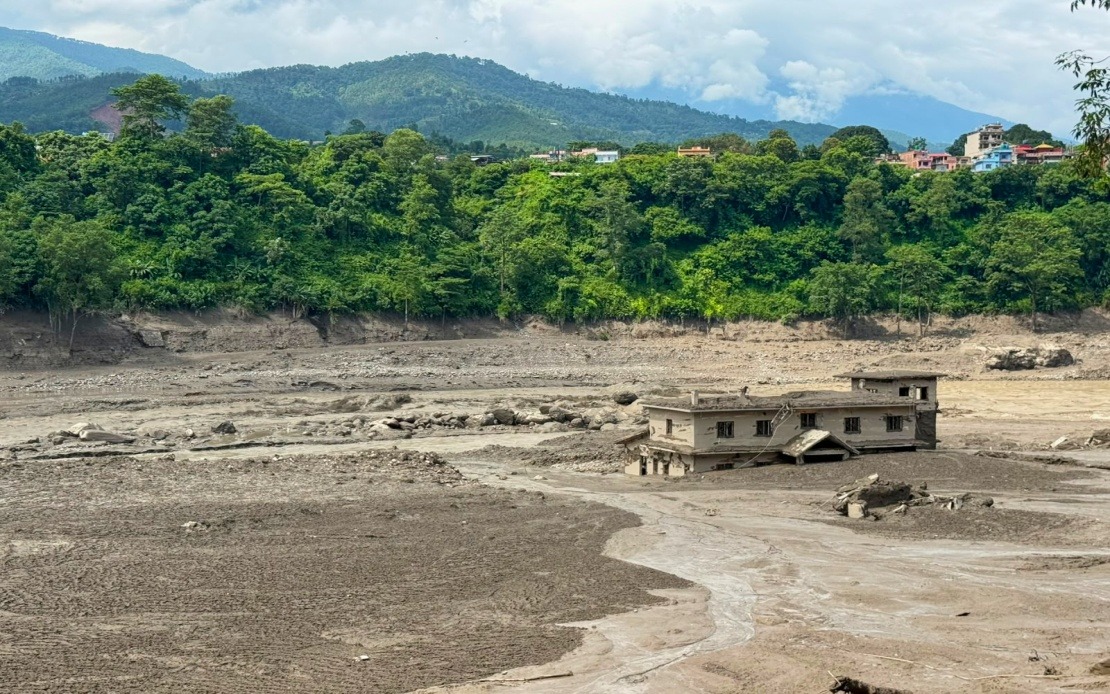
Nepal faces a mounting humanitarian crisis as authorities grapple with the disappearance of over 380 tourists caught in devastating floods that have ravaged the South Asian nation. The Nepal Tourism Board confirmed on Wednesday that 384 travellers have been reported missing from flood-affected regions, a figure that underscores the scale of disruption to one of Asia's premier trekking and tourism destinations. Among those unaccounted for are 291 foreign nationals and 93 Nepali citizens, drawing international attention to the disaster and prompting search and rescue operations across multiple jurisdictions.
The missing tourists hail from numerous countries, reflecting Nepal's significance as a global tourism hub that attracts adventurers and pilgrims year-round. Indian citizens comprise the largest contingent with over 100 missing, followed by 17 Malaysians—a figure that will resonate particularly across Southeast Asia where Nepal remains a favoured destination for trekking expeditions, particularly in the Himalayas. The confirmed list also includes 12 British nationals, four South Africans, three Americans, one Australian, and one Dutch citizen. However, the nationality of 111 additional missing persons has yet to be established, suggesting the actual scale of the crisis may still be unclear as verification efforts continue.
The Nepal Tourism Board issued a statement clarifying that the figures represent preliminary data compiled from tourism and travel companies operating in affected areas. Officials acknowledged that information gathering remains an ongoing process, with the board actively coordinating with travel agencies, mountain guides, local authorities, and security agencies to verify identities and confirm the status of missing tourists. This multi-agency verification approach reflects the complexity of tracking tourists in remote mountainous terrain where communications infrastructure may have been compromised by the flooding.
For Malaysian travellers, the news carries particular weight given the popularity of Nepal among local adventurers seeking high-altitude trekking experiences. The 17 missing Malaysians likely represent tour groups that were in transit through popular routes when the floods struck. Malaysian authorities would typically liaise with their Nepali counterparts and consular officials to identify Malaysian citizens and coordinate rescue and assistance efforts. The incident underscores the risks inherent in adventure tourism during monsoon season when weather patterns become increasingly unpredictable.
Nepal's annual monsoon season, typically spanning June through September, brings heavy rainfall essential for agriculture but also triggers flash floods and landslides in mountainous regions where many of the nation's most celebrated trekking routes wind through narrow valleys. Tourist groups, often unaware of rapidly deteriorating weather conditions or the sudden swelling of mountain streams, can find themselves stranded or swept away with minimal warning. The geography that makes Nepal attractive to trekkers—dramatic elevation changes, remote valleys, and river crossings—also makes rescue operations extraordinarily challenging.
The tourism board's statement reflects the complexities involved in documenting a disaster of this magnitude. Travel companies operating independently across Nepal must compile their own records of missing clients, and discrepancies in reporting can occur as some operators may not immediately alert authorities or as communication breakdowns prevent timely information sharing. The cross-verification process will likely take weeks to complete, with some missing persons potentially located and others sadly confirmed as casualties.
Authorities have issued high-alert warnings for downstream communities, recognizing that the danger extends beyond initial flood zones. Swollen rivers continue to pose risks to settlements located lower in valleys where water continues to surge, and secondary flooding from accumulated rainfall remains a concern. The alert system aims to ensure that residents in potentially affected areas remain vigilant and prepared to evacuate should conditions deteriorate further.
Nepal's tourism sector, which generates substantial foreign exchange revenue and employment across the nation, faces significant disruption following this disaster. Tour operators will likely face increased pressure to implement robust safety protocols, improve weather monitoring capabilities, and establish clearer communication systems for emergency situations. Insurance claims will proliferate as tourists and operators seek compensation for cancelled trips, lost equipment, and personal injuries. The incident may prompt international tourism organizations to reassess risk assessments for high-altitude trekking during monsoon season.
For Malaysian tour operators and adventure companies, this event serves as a stark reminder of the necessity for comprehensive risk management systems when conducting expeditions in geologically active and weather-vulnerable regions. Travel insurance policies, emergency evacuation protocols, and real-time communication with local partners become critical safeguards. Many Malaysian tourism companies will likely review their Nepal operations and enhance training for guides and support staff regarding flash flood response and high-altitude emergency procedures.
The regional tourism community across South and Southeast Asia will be monitoring the unfolding situation closely. Nepal's ability to manage this crisis effectively, coordinate international rescue efforts, and restore tourism infrastructure will influence traveller confidence throughout the Himalayan region. Other nations offering similar high-altitude trekking experiences will also face scrutiny regarding their safety standards and disaster preparedness, particularly as climate change makes weather patterns increasingly volatile and unpredictable in mountain regions.
As search and recovery operations continue, the human toll of the disaster becomes clearer each day. Families of missing tourists across multiple countries await news, while Nepali communities affected by the floods face their own reconstruction challenges. The incident demonstrates both the appeal and the inherent risks of adventure tourism in one of the world's most dramatically beautiful yet geologically dynamic regions.

