Pahang Pakatan Harapan has unveiled a comprehensive leadership reshuffle designed to fortify the coalition's organisational capabilities and campaign readiness as it prepares for the 16th General Election. The overhaul, announced following the coalition's annual general meeting in Kuantan on June 24, reflects a deliberate strategic repositioning that reflects the coalition's determination to consolidate influence across Malaysia's eastern heartland.
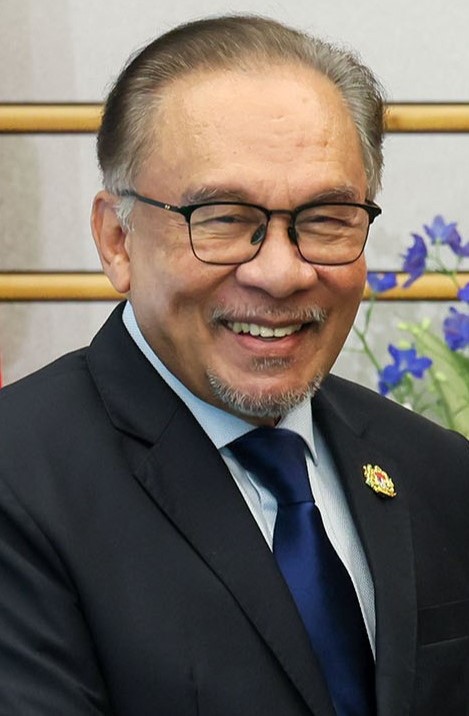
At the helm of this restructured apparatus sits Datuk Ahmad Farhan Fauzi, the Pahang PKR State Leadership Council chairman who has been elevated to the position of state PH chairman. This appointment signals continuity with PKR's traditional leadership dominance within the Pahang branch while simultaneously acknowledging the broader coalition's need for representation. Alongside Fauzi, the coalition has distributed deputy chairman responsibilities between its component parties, with Pahang DAP chairman Lee Chin Chen and Pahang Amanah chairman Mohd Fadzli Mohd Ramly securing positions as deputy chairman I and II respectively. This arrangement reflects the coalition's commitment to maintaining the power-sharing principles that have defined PH governance structures since 2018.
The remaining portfolio assignments distribute influence across critical functional areas essential to modern electoral campaigns. Datuk Dr Suhaimi Ibrahim from PKR has assumed the secretary role, a position traditionally responsible for administrative coordination and internal communications. Treasurer responsibilities have fallen to Dr Sim Chon Siang, also from PKR, positioning the party to manage financial resources during the demanding pre-election period. These appointments underscore how financial stewardship and organisational logistics remain central to electoral success in contemporary Malaysian politics, where campaign expenditures and resource allocation increasingly determine competitive advantage.
Beyond the top tier, the leadership structure incorporates specialised positions reflecting contemporary campaign realities. Adnan Mohamed Lazim from PKR has taken the election director portfolio, a role requiring technical expertise in constituency-level mobilisation and candidate selection processes. Ibrahim Sulaiman of Amanah heads communications and information operations, a function that has grown exponentially in significance given the proliferation of digital platforms and the intensifying information warfare characterising modern Malaysian elections. Rizal Jamin from PKR assumes the strategy director position, responsible for tactical planning and competitive positioning against opposing coalitions. These structural choices reveal how PH has absorbed lessons from previous electoral cycles regarding the necessity of professional campaign management.
The leadership announcement comes embedded within a broader strategic vision articulated by the Pahang PH secretariat. The coalition's statement emphasises that these appointments aim to strengthen organisational coherence and ensure that party activities operate with heightened efficiency, focus, and responsiveness to community concerns. This framing addresses persistent criticism that PH has struggled with internal coordination and inconsistent messaging at the state level, particularly in East Malaysia where coalition management challenges have occasionally undermined electoral performance. The restructuring appears designed to address such vulnerabilities through clearer command structures and functional specialisation.
Central to the coalition's 2026 agenda is a comprehensive mobilisation strategy targeting all parliamentary and state constituencies within Pahang. The leadership meeting outlined intentions to energise party machinery at grassroots levels, implementing systematic activities designed to gauge electorate sentiment and build campaign infrastructure well ahead of the election cycle. This extended preparation timeline distinguishes this approach from rushed, last-minute mobilisation efforts that have occasionally characterised PH's past campaigns, particularly at state levels where resource constraints and coordination difficulties have sometimes hindered campaign execution.
Significantly, the Pahang PH leadership has committed to providing direct campaign support for elections in neighbouring Johor and Negeri Sembilan, framing this commitment as emblematic of national-level coalition unity. This decision carries implications beyond symbolic gestures; Pahang possesses experienced campaign personnel and organisational resources that, when deployed strategically, can materially impact electoral outcomes in adjacent states. Such cross-state cooperation reflects the evolving sophistication of PH's national campaign architecture, where resources and expertise are increasingly deployed dynamically rather than remaining confined within individual state chapters.
The coalition's emphasis on strengthening leadership-grassroots relations reflects accumulated understanding that electoral victories depend not merely on high-level strategy but on sustained engagement with party members, local community leaders, and ordinary citizens throughout campaigns. Building these vertical connections requires consistent communication, responsiveness to local grievances, and cultivation of trust that extended preparation periods can facilitate. The current timeline provides approximately eighteen months for such relationship-building before GE16, a window substantially longer than most recent Malaysian election cycles have afforded for systematic grassroots engagement.
Expanded information operations and community service initiatives feature prominently in the leadership's stated priorities, acknowledging how perceptions of party responsiveness and governmental effectiveness increasingly determine electoral behaviour. In Pahang specifically, where economic concerns relating to mining, palm oil agriculture, and development disparities between urban and rural areas persistently dominate voter calculations, coalitions demonstrating tangible commitment to addressing these issues gain measurable electoral advantages. The new leadership structure's explicit commitment to these dimensions suggests PH intends to compete vigorously on substantive governance issues rather than relying exclusively on personality-driven or identity-based appeals.
The reshuffle simultaneously honours previous PH leadership in Pahang, acknowledging their contributions during the preceding period. This diplomatic gesture serves to prevent internal divisions that could emerge when established power structures are dismantled, a risk that high-profile leadership transitions invariably present within political organisations. By formally recognising predecessor contributions, the incoming leadership reduces resentment and maintains party cohesion during a period requiring unified effort. Such internal management considerations remain crucial in Malaysian politics, where factionalism within party structures frequently undermines electoral performance and governance effectiveness more damaging than opposition party strength.
For Malaysian observers tracking coalition dynamics, the Pahang restructuring offers insights into how PH continues evolving its organisational architecture to compete in an increasingly competitive political environment. The appointment of specialised functional directors reflects broader trends toward professionalisation of political campaign management previously dominated by traditional patronage networks and informal coordination. Whether these structural innovations translate into improved electoral performance or more effective governance remains contingent on implementation quality and the broader political context prevailing as GE16 approaches.