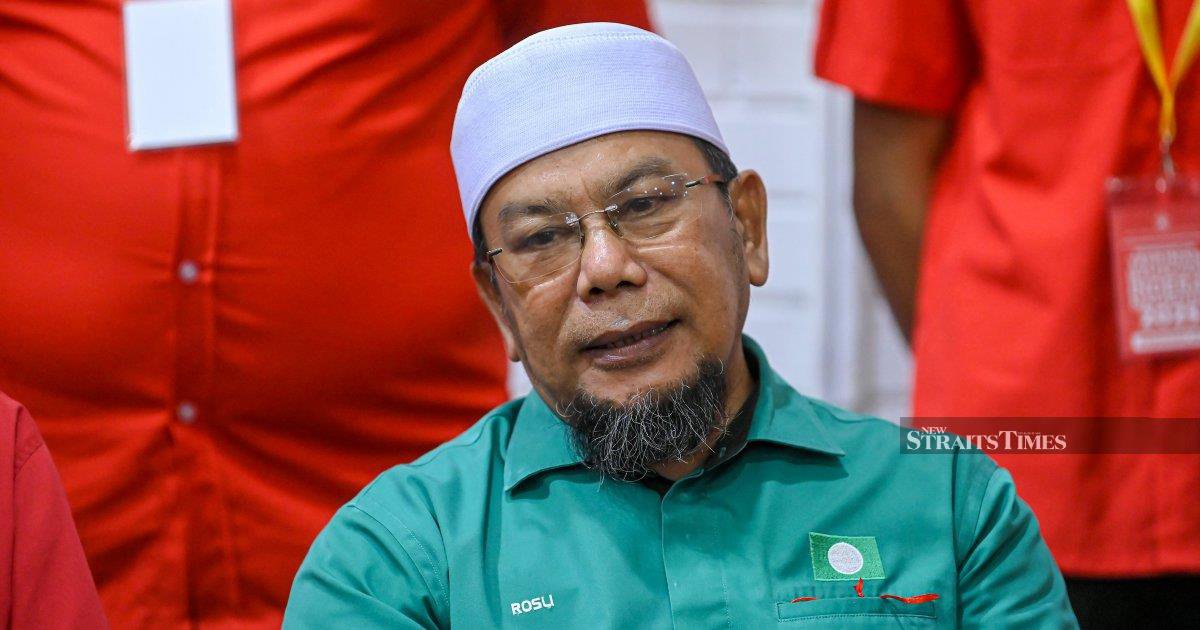
The relationship between PAS and Umno in Pahang has entered an uncertain phase, with the Islamic party suggesting it remains open to future collaboration even as both organisations brace for potential electoral confrontation. This nuanced positioning reflects the complex realities of Malaysian political coalitions, where erstwhile rivals frequently find themselves negotiating partnership arrangements based on shifting strategic calculations and electoral mathematics.
Historically, PAS and Umno have occupied competing spaces within the Islamic political sphere. Umno's dominance in Pahang politics has traditionally left limited room for PAS expansion, yet recent national political developments have altered the landscape considerably. The emergence of new political alignments and the reorganisation of traditional coalitions have forced both parties to recalibrate their approaches to state-level governance and electoral strategy.
The Pahang PAS leadership's recent remarks about openness to working arrangements with Umno suggest recognition that political sustainability in the state requires flexibility. Rather than maintaining rigid factional boundaries, the party appears to be evaluating scenarios where cooperation might yield better outcomes than direct confrontation. This pragmatism reflects broader trends within Malaysian Islamist politics, where ideological consistency increasingly bends to accommodate operational necessities.
Umno's position in Pahang remains institutionally strong, commanding substantial resources and deep community networks accumulated over decades of governance. The party's established administrative machinery and traditional support base continue to provide significant electoral advantages. However, Umno leaders cannot discount the possibility of facing a united opposition front, which has consistently posed challenges in recent electoral cycles.
The question of whether Pahang will witness cooperation or confrontation between these two parties carries implications extending beyond state boundaries. Pahang serves as a crucial political laboratory for testing coalition arrangements, and outcomes here frequently influence calculations elsewhere in the peninsula. A successful cooperation model could establish precedents for other states where similar tensions exist between Umno and PAS.
Electoral mathematics in Pahang suggests neither party can afford to dismiss partnership possibilities entirely. PAS's parliamentary representation in certain federal constituencies coexists with Umno's dominance in state seats, creating overlapping interests that occasionally align. Voters in mixed constituencies have demonstrated willingness to support candidates from either party depending on local circumstances and candidate quality, reducing rigid partisan voting.
The timing of PAS's diplomatic signals matters considerably. Approaching state elections with unresolved questions about potential alliances creates uncertainty affecting campaign planning, candidate nomination processes, and resource allocation. Both parties benefit from clarity, yet neither wishes to negotiate from a position of apparent weakness. This dynamic creates space for prolonged ambiguity, with public statements serving as preliminary negotiating positions rather than fixed commitments.
Regional political observers note that PAS's calculated openness toward Umno cooperation distinguishes its approach from more antagonistic stances adopted by other opposition coalitions. This reflects PAS's traditional inclination toward pragmatic deal-making, particularly where Islamic governance concerns create common cause with Umno despite their broader electoral rivalry. Shared interests in Islamic policy implementation occasionally override partisan competition.
For Malaysian voters across the peninsula monitoring these developments, the Pahang situation illustrates how electoral partnerships remain fluid and subject to renegotiation. The state's political trajectory will depend substantially on whether party leaderships prioritise short-term electoral advantage or longer-term institutional stability. Pahang's position as a demographic and geographical crossroads means its political evolution influences broader peninsular dynamics.
The underlying tension between cooperation and confrontation reflects fundamental challenges within Malaysian politics. Traditional coalition frameworks have fragmented, yet newer arrangements remain incomplete and occasionally unstable. Parties like PAS navigating between cooperation and opposition leverage their parliamentary positioning to extract maximum concessions from potential partners. This negotiating posture, while rational from tactical perspectives, sometimes delays necessary political clarity.
Looking forward, whether Pahang experiences PAS-Umno cooperation or fierce electoral competition will depend on decisions yet to be finalised by senior party officials. Both organisations possess incentives favoring pragmatic arrangement, yet neither wishes to appear subordinate to its rival. The balancing act between maintaining strategic optionality and providing clarity to their respective support bases remains unresolved, suggesting extended negotiations may precede any formal announcement.
For Malaysian political analysts and constituent voters, the Pahang situation demonstrates the continuing volatility of coalition politics. The apparent softening of PAS rhetoric toward cooperation suggests recognition that rigid factional positions increasingly carry electoral costs. Simultaneously, Umno's institutional strength provides little incentive for precipitous concessions. The coming months will clarify whether pragmatism or rivalry ultimately shapes Pahang's political direction.

