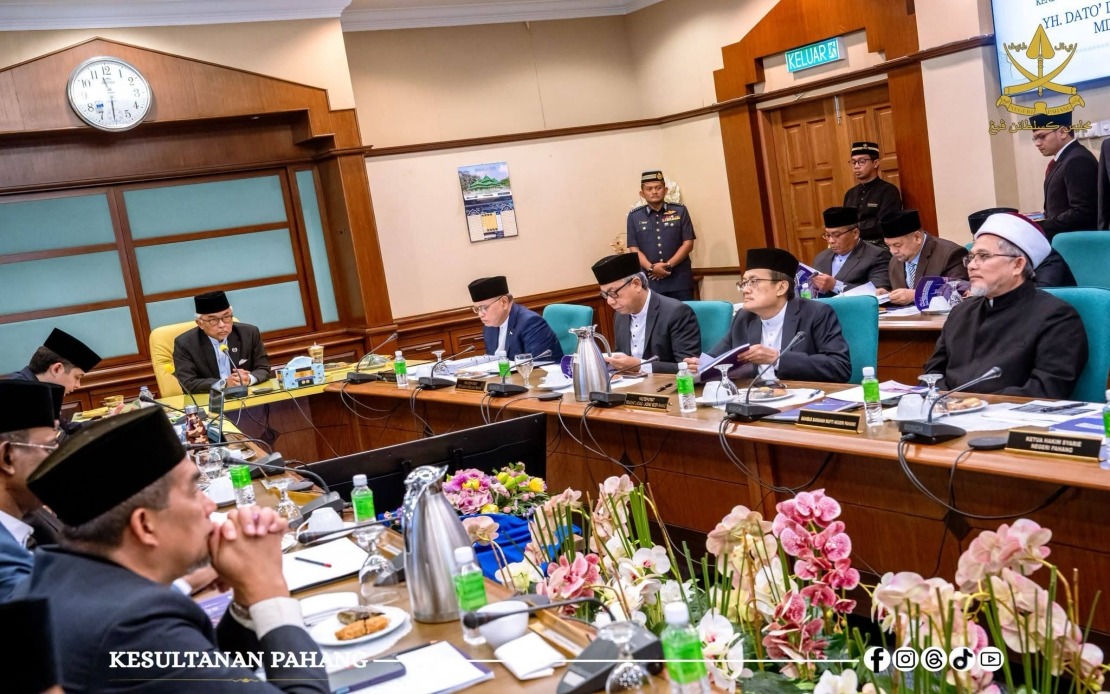
Pahang's ruling Sultan Al-Sultan Abdullah Ri'ayatuddin Al-Mustafa Billah Shah has thrown his considerable institutional weight behind a significant shift in how Islamic courts handle criminal cases, advocating that community service emerge as a more prominent sentencing option for Syariah offences. The monarch's position, articulated through a formal article published on the state palace's official portal, signals a deliberate move away from purely punitive judicial frameworks towards what he characterises as a more enlightened, rehabilitative model aligned with Islamic principles of mercy and human transformation.
At the heart of the Sultan's intervention lies a conceptual reframing of what punishment should accomplish within an Islamic legal context. Rather than viewing community service as merely a lighter sentence or administrative convenience, His Royal Highness presents it as a sophisticated correctional instrument capable of fostering genuine behavioural reform. This distinction matters considerably: the Sultan argues that such sentences should function as catalysts for reflection and introspection, enabling offenders to recognise the consequences of their actions while simultaneously benefiting their communities through constructive work. The philosophical underpinning reflects contemporary penological thinking that acknowledges the limitations of incarceration-focused approaches in achieving lasting rehabilitation.
The Sultan's remarks were delivered while presiding over the 199th Meeting of the Pahang Islamic Religious and Malay Customs Council, attended by the Tengku Mahkota of Pahang Tengku Hassanal Ibrahim Alam Shah. This institutional platform lends considerable weight to the proposal, suggesting that the palace is positioning itself as an active participant in legal and governance modernisation rather than merely a ceremonial figurehead. The council setting indicates that these discussions form part of broader deliberations about Syariah administration in Pahang, potentially laying groundwork for practical reforms in coming months.
Central to the Sultan's vision is the integration of community service within existing legal frameworks rather than wholesale replacement of the Syariah system. He emphasises that such alternative punishments would apply specifically to suitable offences and operate strictly within established legal provisions, suggesting careful implementation rather than radical overhaul. This measured approach acknowledges the necessity of maintaining legal rigour and consistency while creating space for judicial discretion in sentencing. The emphasis on suitability implies that Syariah judges would retain authority to determine which cases warrant community-based sentences, preventing blanket application of the alternative approach.
The Sultan articulates a vision of Syariah justice as fundamentally educational and reformative in character. Beyond simply punishing wrongdoing, he envisions courts functioning as institutions that guide offenders toward becoming responsible citizens whose conduct reflects Islamic values. This reconceptualisation carries particular significance in Malaysia's pluralistic context, where Syariah law operates alongside civil courts and where public confidence in religious legal institutions can fluctuate based on perceived fairness and efficacy. By emphasising rehabilitation and societal benefit, the Sultan positions Syariah justice as responsive to contemporary concerns about proportionality and human dignity.
The proposal has implications extending beyond Pahang itself. Malaysia's thirteen states maintain separate Islamic legal systems with varying structures and sentencing practices, creating significant diversity in how Syariah offences are handled across the country. The Sultan's public advocacy may influence discussions in other states considering similar reforms, potentially initiating a broader conversation about modernising Islamic criminal justice while maintaining religious authenticity. This horizontal diffusion of ideas between state-level judiciaries represents an important mechanism for legal evolution in Malaysia's federal system.
Pahang's Sultan simultaneously lauded state agencies for achieving SPINE 2026 Excellent Recognition Certificate for Integrity and Governance Management Systems, honouring the Pahang Royal Council, State Secretary's Office, Islamic Religious Department, and Syariah Prosecution Department. This recognition underscores the palace's commitment to institutional excellence and transparency, contextualising the Sultan's call for sentencing reform within a broader governance agenda. The awards suggest that state authorities are already implementing systematic improvements in management and anti-corruption measures, potentially creating administrative capacity for managing more sophisticated sentencing alternatives.
The recognition of integrity and governance systems proves particularly relevant to community service implementation. Such programmes require robust monitoring mechanisms to ensure sentences are completed appropriately, offenders are progressing toward rehabilitation goals, and community placements provide genuine value. The administrative infrastructure being developed through these governance initiatives may facilitate the practical roll-out of community service sentencing, preventing implementation failures that could undermine public confidence in the approach.
From a regional perspective, Pahang's initiative reflects broader Southeast Asian trends toward progressive Islamic jurisprudence. Several neighbouring jurisdictions have experimented with rehabilitation-focused Islamic criminal justice approaches, and Malaysia's positioning of such reforms within respectable Islamic frameworks rather than as secular impositions carries strategic importance. The Sultan's framing emphasises compatibility with traditional Islamic values rather than external pressure, potentially providing a template other conservative jurisdictions might adopt more readily.
The practical challenges accompanying such reforms deserve consideration. Community service sentencing requires substantial infrastructure investment including monitoring systems, placement coordination with private and public institutions, and mechanisms for verifying completion. Pahang would need to establish relationships with employers and community organisations willing to host offenders, raise public understanding of the approach's rehabilitative intentions, and ensure judges receive training in assessing offender suitability. These implementation hurdles mean the Sultan's advocacy, while important, represents only an initial step toward substantive change.
Public perception constitutes another critical variable. Some segments of Malaysian society view Syariah justice through a lens of strict interpretation and retributive justice, potentially resisting community service as insufficiently punitive. The Sultan's emphasis on Islamic scholarly foundations for rehabilitative approaches attempts to pre-empt such criticism by grounding reforms in religious tradition rather than secular penology. However, sustained public education regarding the theological and practical merits of rehabilitation will prove essential for building consensus.
The Sultan's intervention signals that Malaysia's state rulers retain significant influence over legal and institutional development within their domains, even where federal law establishes baseline standards. By publicly advocating for sentencing reform, Al-Sultan Abdullah positions the Pahang palace as an enlightened institution willing to champion progressive policies. This contrasts with more cautious approaches by other royal households and suggests the palace views judicial modernisation as compatible with its traditional role as guardian of Islamic interests.
As Pahang moves forward with implementing these recommendations, the state will likely become a testing ground for community service sentencing in Malaysian Syariah justice. Success in Pahang could catalyse similar reforms elsewhere, while implementation difficulties might temper enthusiasm in other states. Either outcome will inform ongoing debates about balancing Islamic legal authenticity with contemporary rehabilitation philosophies across Malaysia and the wider Islamic world.

