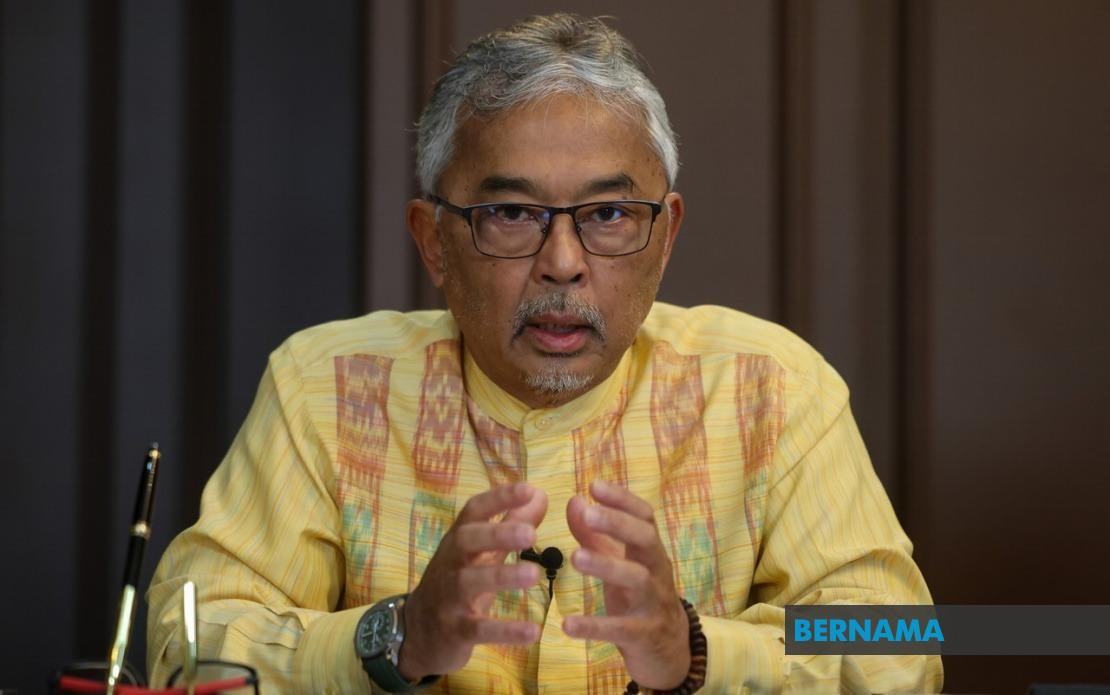
Concerned by a worrying pattern of tree-related incidents, Pahang's Sultan Al-Sultan Abdullah Ri'ayatuddin Al-Mustafa Billah Shah has instructed all local authorities throughout the state to immediately begin comprehensive inspections of large and mature trees that might threaten public safety. The directive, issued on August 14, emerged from mounting anxiety regarding preventable deaths and injuries resulting from unexpected tree collapses in public spaces.
The Sultan's intervention signals heightened royal attention to municipal infrastructure management and the adequacy of existing safeguards in Pahang's public areas. His directive requires local authorities to prioritise the assessment of trees in locations where public exposure is greatest, including busy roadsides, residential neighbourhoods, parks, and other frequently accessed sites. This geographically targeted approach reflects an understanding that risk concentrates where human activity is densest.
More significantly, the royal instruction shifts responsibility from reactive crisis management to preventive governance. Rather than responding only after catastrophic events occur, the Sultan has explicitly rejected this pattern, emphasising that local authorities must act before tragedies strike. This philosophical reorientation requires sustained, systematic monitoring rather than sporadic inspections triggered by incidents. Such a framework demands institutional commitment and resource allocation that extends across multiple budget cycles.
The timing reflects broader regional concerns about urban forestry management. Malaysia's tropical climate, characterised by intense monsoon conditions and occasional severe weather, places particular stress on mature tree stock in urban settings. Trees weakened by age, disease, pest infestation, or compromised root systems become increasingly unstable during heavy rainfall or strong winds. Yet many municipalities lack systematic arboricultural expertise or adequate budgets for preventive maintenance, creating persistent vulnerability.
Pahang's situation mirrors challenges faced by other Malaysian states managing rapid urbanisation while maintaining aging tree canopies. Local authorities often inherit decades-old plantings with limited documentation of species, age, health status, or structural integrity. Without comprehensive baseline assessments, municipal planners cannot distinguish between trees requiring urgent intervention and those remaining safe for years. The Sultan's order effectively mandates that such baseline data be gathered immediately.
The directive also carries implicit criticism of existing oversight mechanisms. By intervening at the state's highest level, the Sultan has indicated that current practices and accountability structures may be insufficient. This royal endorsement of stricter standards will likely pressure local authorities to allocate resources toward compliance, potentially redirecting funds from other projects. Implementation quality will vary considerably, depending on whether authorities employ certified arborists or rely on less-qualified personnel.
For Malaysian readers, this development underscores the intersection of traditional governance authority with modern public safety administration. The Sultan's statement demonstrates how institutional hierarchies can be mobilised to address contemporary urban challenges. Yet the true test lies in sustained execution. Royal directives carry moral and political weight, but long-term compliance requires establishing bureaucratic systems, training programs, and funding mechanisms that persist beyond initial announcements.
The emphasis on early identification and preventive action represents a significant conceptual shift from practices that often tolerate known risks until incidents force intervention. This approach aligns with international best practices in tree risk management, where professional arborists employ standardised assessment protocols to classify hazard levels. Adopting such frameworks in Pahang could establish templates for other states and federal territories grappling with similar challenges.
Equally important is the Sultan's explicit rejection of complacency and delay. His statement that authorities must "not wait until an untoward incident occurs" establishes a clear expectation that inaction will be viewed as administrative failure. This language creates political accountability, making it difficult for local authorities to claim inadequate resources or competing priorities as justifications for incomplete compliance.
The practical implementation will depend heavily on whether local authorities possess sufficient arboricultural expertise and funding. Many Malaysian municipalities employ limited staff with formal tree management qualifications. The inspection order may necessitate hiring external contractors or training existing personnel, both of which require financial investment that competing demands may constrain.
Regional implications extend beyond Pahang's borders. If the state successfully implements systematic tree assessment and maintains preventive pruning programs, the model may influence approaches in neighbouring Terengganu and Kelantan, as well as other states facing similar challenges. Conversely, if implementation remains superficial or inconsistent, the directive will serve as a cautionary example of how royal authority, while symbolically powerful, cannot ensure effective execution without supporting institutional infrastructure.
Looking forward, the Sultan's intervention highlights a critical gap in Malaysia's municipal governance. Public safety regarding urban vegetation management requires not merely occasional attention from senior leadership, but sustained investment in professional expertise, systematic data collection, and maintenance scheduling. The directive represents a necessary first step, but meaningful improvement depends on whether local authorities translate the royal order into operational policies that endure beyond the initial announcement.

