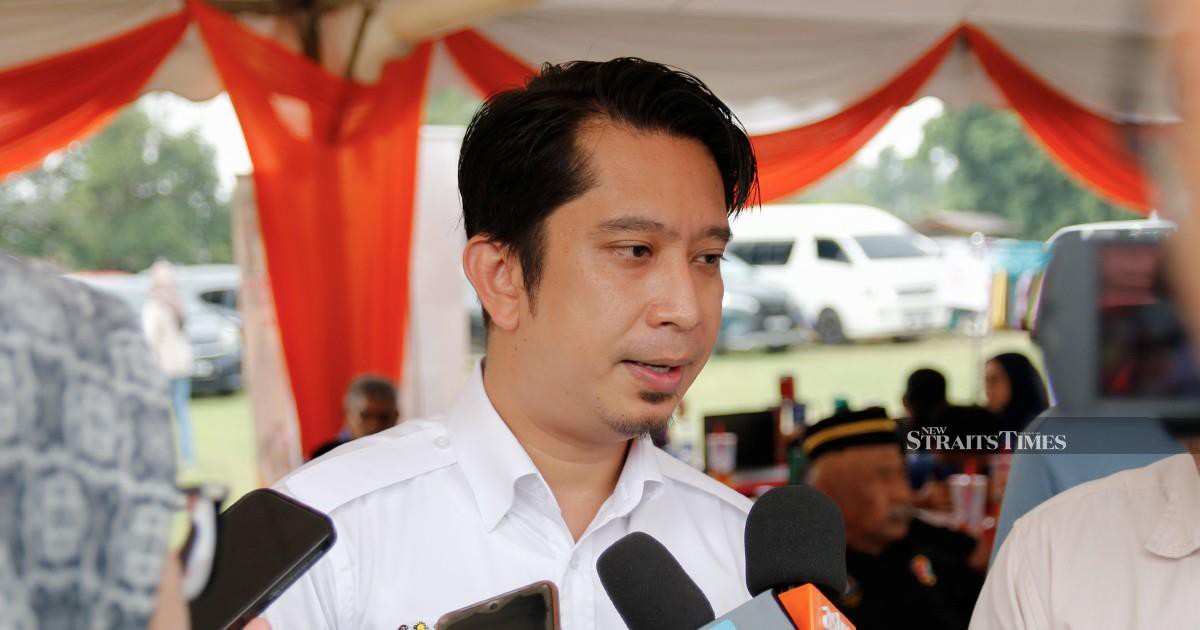
Formal talks between Pakatan Harapan and Barisan Nasional on electoral cooperation for the upcoming Melaka state election remain in limbo, with no official discussions having been scheduled yet, according to PKR's state chief Adam Adli Abdul Halim. The statement underscores the political uncertainty surrounding the state assembly's future following the termination of the previous administration's term.
The absence of structured dialogue between the two major political coalitions highlights the delicate positioning both groups must navigate in Melaka, a state where electoral fortunes have shifted unpredictably over recent election cycles. While there has been speculation about potential collaboration frameworks, no concrete arrangements have materialised into formal negotiating sessions between PH and BN representatives.
For Malaysian political observers, this standoff carries broader implications about coalition stability at the state level. Melaka has proven to be a critical testing ground for Malaysia's evolving political architecture, where the balance between competing blocs frequently determines which coalition forms government. The delay in commencing substantive negotiations suggests both sides are still calibrating their respective positions before entering binding discussions.
The lack of formal engagement also reflects the inherent tensions within Malaysia's coalition politics. PH and BN, despite both being established political alliances at the federal level, maintain fundamentally different ideological orientations and voter bases. Any cooperation for the state election would require navigating these differences while reaching mutually acceptable arrangements that appeal to their respective grassroots supporters.
Adam Adli's public confirmation that negotiations have not begun serves a strategic purpose for PKR as well. By clearly stating the absence of formal talks, the party provides cover for its current autonomy in decision-making while signalling that discussions could potentially commence if terms prove favourable. This positioning prevents either coalition from claiming premature advantage or monopolising the narrative around potential cooperation.
The timeline leading to the Melaka state election has added pressure on both coalitions to accelerate their strategic planning. Without formal negotiations already underway, the compressed schedule between now and polling day means both PH and BN must expedite their decision-making processes if cooperation is genuinely on the table. The longer negotiations remain unscheduled, the tighter the operational window becomes for implementing any agreed electoral strategy.
Historically, Melaka has demonstrated voters' preference for change, with electoral pendulums swinging between competing political forces. This volatility makes the state particularly important for both PH and BN, as victories here carry symbolic weight beyond the immediate legislative numbers. The absence of formal cooperation talks suggests both coalitions may be hedging their bets, unwilling to commit prematurely to arrangements that could constrain their freedom of action.
For Malaysian readers in other states, the Melaka negotiation standoff offers insight into how coalitions manage competition and cooperation simultaneously. The pattern established here could influence how PH and BN engage in other state-level contests, particularly in states where neither coalition commands overwhelming electoral dominance. If cooperation emerges successfully from eventual negotiations, it could set precedents for future elections; conversely, failure to reach agreement would reinforce perceptions of unbridgeable political differences.
The political economy of the situation also warrants attention. Both coalitions must balance the advantages of cooperation—pooling resources, reducing vote-splitting, and presenting unified fronts—against the disadvantages of sharing electoral rewards and making compromises that alienate core supporters. These calculations are rarely straightforward, and Adam Adli's statement indicates that neither PH nor BN has yet determined whether cooperation serves their respective interests more than competition would.
Additionally, the absence of formal talks may reflect internal deliberations within each coalition about their own electoral viability independently. PH leadership in Melaka may be assessing whether the party structure can mount a competitive campaign without BN partnership, whilst BN calculates whether cooperation would dilute their own brand or strengthen it. These internal evaluations typically precede formal inter-coalition negotiations.
The coming weeks will prove crucial in determining whether PH and BN eventually establish formal dialogue channels. Pressure from party grassroots, calculations about electoral mathematics, and assessments of voter sentiment will likely drive decisions about whether to enter negotiations. Adam Adli's announcement that talks have not yet begun serves as both a factual update and an implicit invitation for the process to commence, provided conditions align for productive discussion between the two coalitions.

