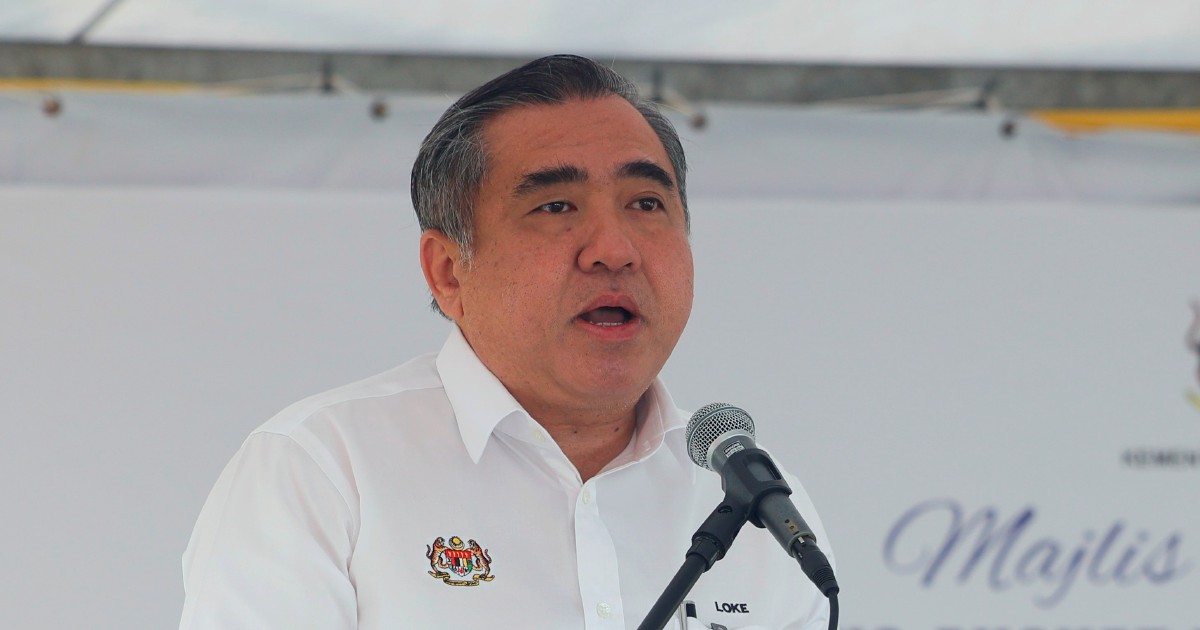
Pakatan Harapan has signalled its readiness to face whatever political manoeuvres its opponents execute in the upcoming Negri Sembilan state election, including the possibility that Barisan Nasional and Perikatan Nasional might join forces against the ruling coalition. The statement reflects growing speculation about opposition alliance-building ahead of the contest, underscoring the increasingly complex multi-cornered dynamics shaping state-level politics across Malaysia.
The coalition's confidence in its preparedness stems from its institutional knowledge of electoral competition and its entrenched presence in the state. Pakatan Harapan has demonstrated in previous contests its capacity to adapt messaging and campaign strategies in response to shifting opposition configurations. The party leadership recognises that opposition unity, should it materialise, would present a more formidable challenge than fragmented competitor parties operating independently, yet insists this reality does not fundamentally alter its competitive position.
Negri Sembilan represents significant political territory for Pakatan Harapan, and the stakes surrounding the forthcoming election extend beyond immediate electoral arithmetic. The state serves as a bellwether for national political sentiment, and its outcome will carry implications for coalition confidence heading into future contests. Control of state resources and administrative machinery provides whichever coalition dominates with meaningful leverage in shaping local development priorities and patronage networks that extend into communities across the nine districts.
BN-PN cooperation, should it formalise, would mark a noteworthy realignment of the opposition landscape. Historically, these two blocs have maintained fraught relationships, competing fiercely for Malay-Muslim voter support while occasionally clashing over policy direction and leadership aspirations. The prospect of their convergence suggests that both parties may perceive Pakatan Harapan as a sufficiently significant threat to warrant setting aside their differences, at least temporarily. This calculation reflects the ruling coalition's demonstrated organisational capability and electoral momentum in several states.
Perikatan Nasional has steadily expanded its political footprint since its formation, establishing strongholds particularly in the northern and east coast regions whilst gradually building influence elsewhere. Barisan Nasional, despite experiencing electoral setbacks at the federal level, retains considerable ground organisation and institutional resources developed over decades of governance. A marriage between these two entities would theoretically combine Perikatan's momentum with Barisan's establishment structures, potentially creating a more resilient opposition force capable of challenging Pakatan Harapan's grassroots operations.
However, such alliances frequently encounter implementation difficulties that undermine their theoretical advantages. Voter confusion over seat allocations, resentment within party cadres over candidacy decisions, and strategic disagreements regarding campaign messaging all pose substantial obstacles to smooth execution. Negri Sembilan's demographic and electoral characteristics, with its mix of urban centres and rural constituencies spanning different voter preferences, may complicate efforts to present a unified opposition front effectively across all polling areas.
Pakatan Harapan's preparedness statement carries tactical significance as well, potentially signalling to its own supporters that the coalition possesses the strategic capacity to manage whatever challenges materialise. Coalition unity remains perpetually delicate, requiring constant attention to ensure component parties remain motivated and convinced that the joint enterprise serves their interests. By projecting confidence in facing opposition combinations, Pakatan Harapan leadership attempts to sustain internal morale and prevent defections or recriminations if electoral outcomes disappoint.
The election assumes additional importance given Malaysia's current political trajectory and the precedents being established regarding inter-party cooperation at the state level. Voters across Negri Sembilan will assess not merely which coalition to support, but what the victory conditions for either side would mean for governance quality, accountability mechanisms, and alignment with their particular community interests. The campaign period will test whether opposition unity, if constructed, can effectively translate into compelling appeals to constituencies concerned with living costs, employment opportunities, education provision, and infrastructure development.
Regionally, the Negri Sembilan contest also commands attention from analysts monitoring electoral trends across Southeast Asia and the broader stability of Malaysian governance arrangements. The state's position within the peninsular political heartland means its outcome influences perceptions of trajectory heading toward subsequent federal contests and further state elections. Opposition positioning now shapes expectations regarding which blocs appear ascendant or declining, potentially affecting political decisions by actors in other states contemplating their own alliances and strategies.
Looking ahead, the intensity of Negri Sembilan's election campaign will likely reflect these broader competitive dynamics and the significance both coalitions attach to the outcome. Pakatan Harapan's insistence on being prepared for any opposition configuration serves the immediate function of demonstrating confidence, whilst simultaneously acknowledging that opposition unity presents substantive challenges requiring strategic adaptation. The electoral contest will ultimately reveal whether theoretical opposition cooperation can convert into tangible political advantages or whether the structural impediments to their alignment prove more consequential than their shared interest in displacing the ruling coalition from state office.

