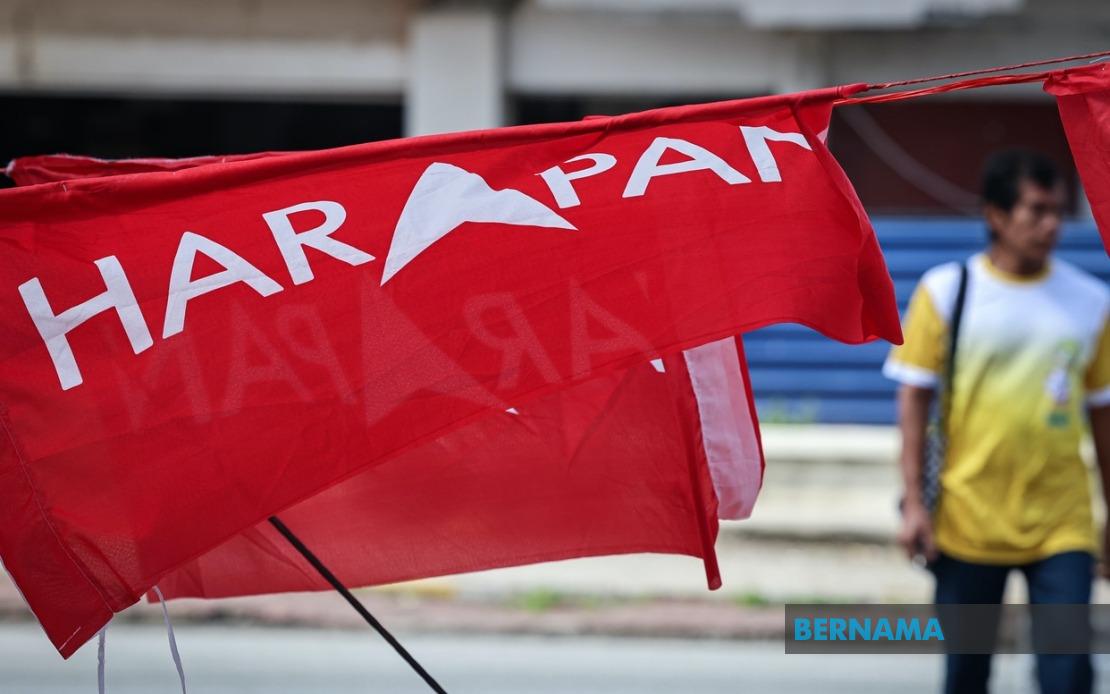
The Johor state election campaign has entered its decisive final week, with Pakatan Harapan candidates deploying a carefully calibrated blend of old-school ground mobilisation and modern digital tactics to capture voter support before polling day on July 11. With only five days remaining in the race for the 16 contested state assembly seats, the coalition is abandoning any pretence of a single-channel approach, instead marshalling resources across both physical and virtual spaces to ensure their message penetrates every demographic and geographic pocket of the electorate.
The integrated strategy reflects a broader evolution in Malaysian electoral politics, where traditional canvassing and face-to-face engagement—still essential for building trust and demonstrating commitment—must now coexist with sustained digital presence. Rather than viewing these methods as competitors, PH candidates are treating them as complementary tools, with social media functioning as an accelerant for the slower but deeper work of community conversations and neighbourhood visits. This convergence has proven particularly effective in reaching younger voters who may be difficult to encounter at physical events, while simultaneously reinforcing messaging among older citizens who encounter candidates in person.
The leadership presence on the ground has amplified this dual strategy considerably. Penang Chief Minister Chow Kon Yeow's appearance alongside Simpang Jeram incumbent assemblyman Nazri Abdul Rahman exemplifies how senior party figures are being deployed to energise grassroots machinery and provide visible endorsement during the final stretch. Such high-profile visits generate momentum within the party structure while also creating content opportunities for social media distribution, extending the reach of leadership engagement far beyond those physically present at campaign events.
TikTok has emerged as an unexpectedly potent platform within this ecosystem. Tiram candidate Nor Zulaila Abd Ghani has garnered significant social media traction by adopting a relaxed, authentic delivery style that eschews the stilted formality often associated with political messaging. Viewers responding in comment sections have praised her approach, with one remarking "Good content of delivery, best! I like this candidate, perfect candidate as our leader and bring our voices in the assembly." This organic engagement suggests that younger voters may be responding less to policy minutiae than to perceived authenticity and approachability—qualities difficult to convey through traditional campaign formats but relatively easy to project through short-form video content.
Other candidates have customised their digital approaches to suit different platforms and audience preferences. Puteri Wangsa's Dr Maszlee Malik has established a WhatsApp Channel branded as "Gerak Sama Dr Maszlee Malik," transforming the messaging platform into a direct communication channel where constituents can track campaign developments and submit concerns without intermediaries. This approach capitalises on WhatsApp's ubiquity among Malaysian smartphone users and its reputation as a more intimate, less-public channel than Facebook or Instagram—ideal for voters who wish to engage privately with candidates before making electoral decisions.
Machap candidate Nor Hafiz Roslan has adopted Facebook as his primary digital platform, leveraging it to emphasise his professional credentials as a lawyer and his track record as a community activist. By anchoring his online presence to his resume and demonstrated service, he appeals to voters who prioritise competence and experience. This targeting of content and platform to candidate profile demonstrates sophisticated understanding of how different constituencies consume political information and what messaging will resonate with their decision-making calculus.
Tanjung Surat candidate Faizul Abdul Ghani has taken a distinctly mobile approach through the "Jelajah Trak Harapan" (Hope Journey Truck), a logistics-based campaign method that increases geographic coverage and allows rapid response to local opportunities for voter contact. By prioritising mobility over static events, this approach addresses a perennial challenge in Malaysian campaigns: ensuring equitable attention to dispersed rural areas that may lack the density of population to justify large rallies but contain substantial numbers of potential voters.
The manifesto itself has been distributed through both channels simultaneously—presented in public forums and group discussions while also being broken down into digestible components for social media circulation. This dual presentation allows voters to engage at whatever depth suits their interest level: a cursory TikTok clip might spark interest that leads to deeper exploration via WhatsApp or Facebook, while those already politically engaged can access comprehensive policy documents through traditional campaign literature.
What makes this hybrid approach particularly significant for Malaysian politics is its implicit recognition that voter behaviour has fundamentally fragmented. No single campaign method now reaches a broad cross-section of the electorate; instead, campaigns must operate as multi-channel operations where reinforcing messages across platforms builds cumulative effect. A voter might encounter a candidate at a community event on Tuesday, see their TikTok video Thursday, receive a WhatsApp message Friday, and cast an informed vote Saturday—each touchpoint drawing from the same core narrative but adapted to the medium's particular affordances and audience expectations.
The Election Commission's scheduling, with early voting for security personnel on July 7 and main polling on July 11, compresses the remaining time window into a genuinely final sprint. Every candidate contact, every social media post, and every leadership appearance now carries heightened significance as undecided voters make their choices. The intensive deployment of resources across both grassroots and digital domains reflects the parties' assessment that Johor remains genuinely competitive and that marginal improvements in voter turnout or persuasion could prove decisive in closely contested seats.
For observers of Southeast Asian electoral dynamics, the Johor campaign offers a template for how mainstream political parties in emerging democracies are adapting to digital disruption. Rather than ceding online space to anti-establishment actors and fringe movements, established coalitions like Pakatan Harapan are investing substantially in digital infrastructure and expertise. Whether this investment translates into electoral success on July 11 will provide important data about the relative influence of traditional and digital campaign methods in Malaysian voter decision-making.

