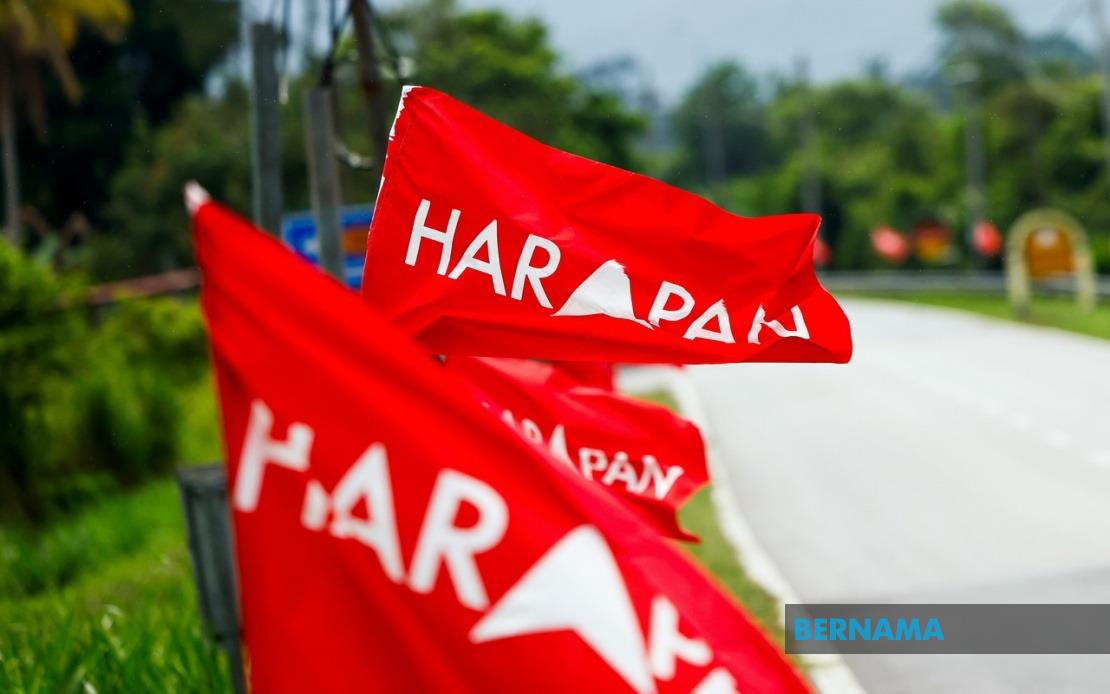
Pakatan Harapan is preparing to present its campaign roadmap for the upcoming Negeri Sembilan state election, with party officials confirming the manifesto launch scheduled for tomorrow evening. The coalition has designed the document to address voter priorities in the state while highlighting the developmental achievements accumulated during its tenure since 2018, when PH first secured control of the state government following the 2018 general election shake-up.
Datuk Muhammad Zaki Md Sabri, who leads PH's operations machinery in Negeri Sembilan, outlined the manifesto's thematic emphasis during a press briefing in Seremban. The document will centre on sustaining the economic gains and living standards that the coalition claims to have delivered to residents across the state's nine constituencies. Rather than proposing radical policy shifts, PH appears positioned to run a consolidation-focused campaign that appeals to continuity-minded voters and aims to secure another term.
The party's top leadership has been involved in crafting the manifesto's details, suggesting a comprehensive approach designed to demonstrate tangible socioeconomic benefits for the electorate. This methodical preparation reflects the strategic importance of Negeri Sembilan as a test case for PH's governance record heading into what political analysts view as a critical election season for the coalition. The state's outcome could signal broader voter sentiment toward PH's performance across Malaysia's federal administration and other state governments.
Official details regarding the manifesto launch venue and which senior PH figures will attend remain pending confirmation through the party's secretariat, though the emphasis on high-level leadership presence suggests the event will carry symbolic weight within PH's campaign calendar. The timing comes as the coalition enters its second full day of active campaigning, following the dissolution of the Negeri Sembilan State Legislative Assembly on June 5. The Election Commission has scheduled polling day for August 1, with early voting available on July 28.
Muhammad Zaki expressed satisfaction with the party machinery's initial campaign performance, noting that logistics operations have proceeded smoothly and that PH candidates have encountered receptive responses from voters in their constituencies. This early momentum appears crucial as the coalition faces the task of mobilising support across the state's nearly 890,000 eligible voters within the compressed timeframe between campaign launch and election day.
The electorate includes 867,151 ordinary registered voters alongside 16,884 military personnel and spouses, and 5,455 police personnel who are eligible to vote during the early voting period. This composition reflects Malaysia's unique voter categories and the practical complexities of running a state-level election with multiple voting schedules. PH's campaign strategy will need to account for these distinct demographic segments and their specific concerns.
Beyond policy announcements, PH leadership has signalled an expectation that all contesting parties will maintain decorum throughout the campaign period. Muhammad Zaki specifically appealed for parties to avoid inflammatory rhetoric and refrain from provocative messaging that might touch upon sensitive communal matters related to religion, royalty, and race—commonly referenced as the 3R framework in Malaysian political discourse. This reflects the delicate sectarian and constitutional sensitivities that characterise Malaysian electoral competition, particularly in a state like Negeri Sembilan with its distinct demographic composition.
The Negeri Sembilan election carries broader implications for PH's political positioning within Malaysia's post-2022 landscape. The coalition has worked to position itself as the competent administrator capable of delivering improved services and economic opportunity, a message that manifesto announcements are designed to reinforce through concrete policy proposals and achievement records. How voters respond to this pitch will offer insights into whether PH's brand has recovered sufficiently from the 2022 general election results and whether the coalition can retain control in a state where it has governed for the past six years.
The manifesto launch represents a pivotal moment in the campaign's narrative arc, transforming abstract discussions of governance into specific policy commitments that candidates can reference during constituency-level engagements and debates. By grounding the campaign in documented party positions, PH seeks to elevate the discussion beyond personality-driven politics toward issue-based competition. This approach reflects a deliberate calculation that voters are increasingly outcome-focused and receptive to evidence-based messaging about service delivery and economic management.
Regional observers view Negeri Sembilan as a bellwether for understanding electoral trends within Malaysia's more developed states, where voters tend to prioritise economic performance and institutional effectiveness over other considerations. PH's manifesto will therefore face scrutiny not merely as campaign literature but as an assessment document revealing how the coalition intends to deepen its development agenda. The party's ability to articulate a compelling vision for the next electoral cycle could significantly influence its prospects in August's polling and set the tone for future state and federal electoral contests.

