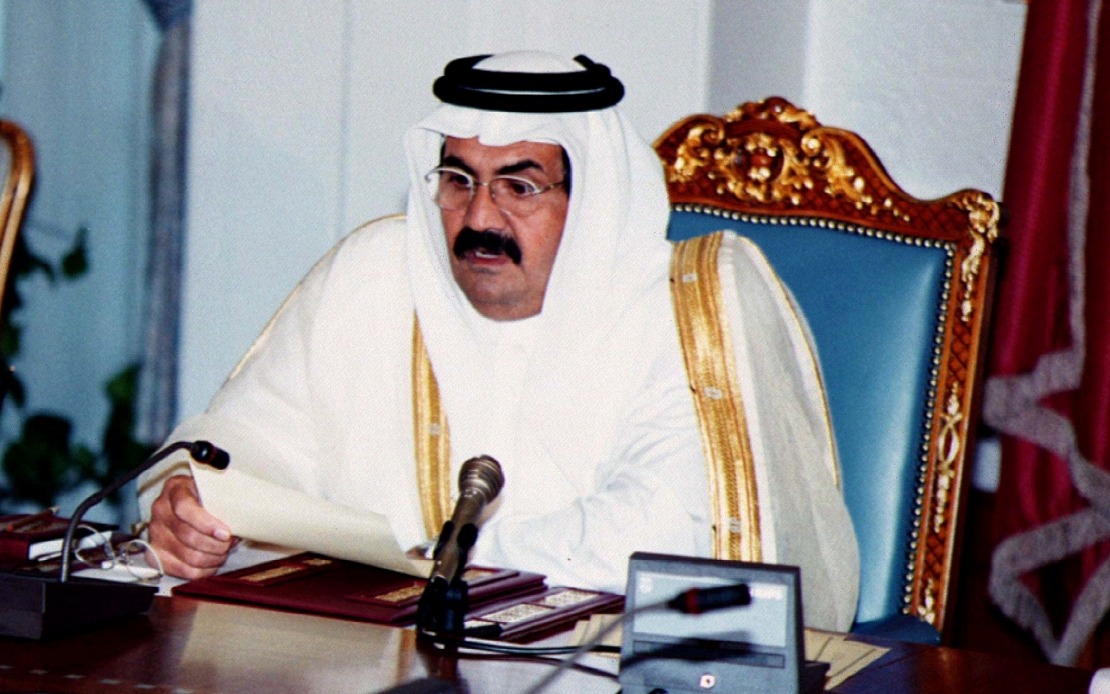
Pakistan's Prime Minister Shehbaz Sharif and Maldives President Mohamed Muizzu both travelled to Qatar on Monday to pay their respects following the passing of former Emir Sheikh Hamad Bin Khalifa Al Thani, who died at age 74. The diplomatic visits underscored the regional significance of the late leader's tenure and the diplomatic relationships Gulf nations maintain with their South Asian and Indian Ocean neighbours.
Shehbaz Sharif's delegation included his brother and former Prime Minister Nawaz Sharif, a notable addition given the complex political dynamics of Pakistani leadership. The Pakistani contingent was further complemented by Deputy Prime Minister and Foreign Minister Senator Ishaq Dar, along with Information Minister Attaullah Tarar. This composition reflected Pakistan's intention to demonstrate high-level respect for the departed emir through the participation of key figures across both government and political opposition circles.
The timing of these visits occurred as both Pakistan and India declared a day of national mourning on Monday, a gesture that illustrated the widespread regard across South Asia for Sheikh Hamad's influence on regional geopolitics and development. His leadership spanning from 1995 until his voluntary abdication in 2013 had positioned Qatar as a significant player in global affairs, transforming it from a modest energy producer into a diversified economic and diplomatic powerhouse.
World leaders extending condolences emphasized Sheikh Hamad's pivotal role in modernizing Qatar and elevating its international standing. His era witnessed unprecedented economic growth fuelled by natural gas revenues, coupled with ambitious infrastructure projects that reshaped Doha's landscape. The investments he championed extended far beyond domestic development, establishing Qatar's influence in regional diplomacy and international forums.
Maldivian President Mohamed Muizzu highlighted in his remarks that the former emir's legacy would endure for generations, particularly through his contributions to Qatar's trajectory and his broader impact on Arab and Islamic world affairs. This perspective reflected how smaller nations in the region viewed Sheikh Hamad's stewardship as exemplifying visionary leadership that transcended national boundaries.
Bangladesh Prime Minister Sheikh Hasina, in her formal message to current Emir Sheikh Tamim Bin Hamad Al Thani, articulated the international consensus regarding the late leader's accomplishments. She specifically referenced his dedication to advancing regional peace, fostering economic development initiatives, promoting educational excellence, and strengthening international cooperation frameworks. These domains represented the multifaceted approach that had defined his reign.
For Malaysian and Southeast Asian observers, Sheikh Hamad's legacy carries particular resonance given the Qatari leader's pivotal roles in facilitating dialogue between diverse nations and communities. His tenure witnessed Qatar's emergence as a bridge-builder in regional conflicts and a major investor in infrastructure projects across Asia. The late emir's commitment to education manifested through establishing branches of prestigious universities in Qatar, policies that enhanced the Gulf nation's attractiveness as a regional hub for higher learning.
The diplomatic gestures by Pakistan and the Maldives reflected how Sheikh Hamad had cultivated lasting relationships with nations across South Asia and the Indian Ocean region. Beyond ceremonial ties, these connections often involved substantial economic partnerships, with Qatari investments flowing into development projects throughout the subcontinent. The visits on Monday symbolized the debt these nations felt toward a leader whose policies had facilitated mutual cooperation and prosperity.
Sheikh Hamad's voluntary abdication in 2013 marked an unusual precedent in Gulf monarchies, where rulers typically maintained power until death or incapacity. His decision to hand authority to his son Sheikh Tamim demonstrated a modernizing impulse that extended beyond economic reforms to encompassing governance structures themselves. This peaceful succession ensured continuity while signalling an acceptance of generational change.
The international mourning period following his death at 74 reflected the scope of his diplomatic reach and the respect he had garnered across vastly different political systems and religious traditions. His initiatives in sports, culture, and hosting major international events had elevated Qatar's global profile substantially. The 2022 FIFA World Cup, ultimately held under his successor's leadership, represented the culmination of development strategies initiated during his era.
For the region more broadly, Sheikh Hamad's passing marked the end of an era when Gulf leadership embraced ambitious transformation agendas. His combination of resource wealth management, strategic investments in human capital, and willingness to engage with international partners had created a model that other regional states studied and adapted. The visits from Pakistan and the Maldives acknowledged not merely a death but the conclusion of a significant chapter in contemporary Arab leadership.
As Qatar moves forward under Sheikh Tamim's continued stewardship, the international community's recognition of his father's contributions serves as a foundation for sustaining the relationships and initiatives established during those formative decades. For Southeast Asian nations including Malaysia, the partnership channels developed during Sheikh Hamad's time remain active conduits for economic collaboration, educational exchange, and diplomatic engagement.

