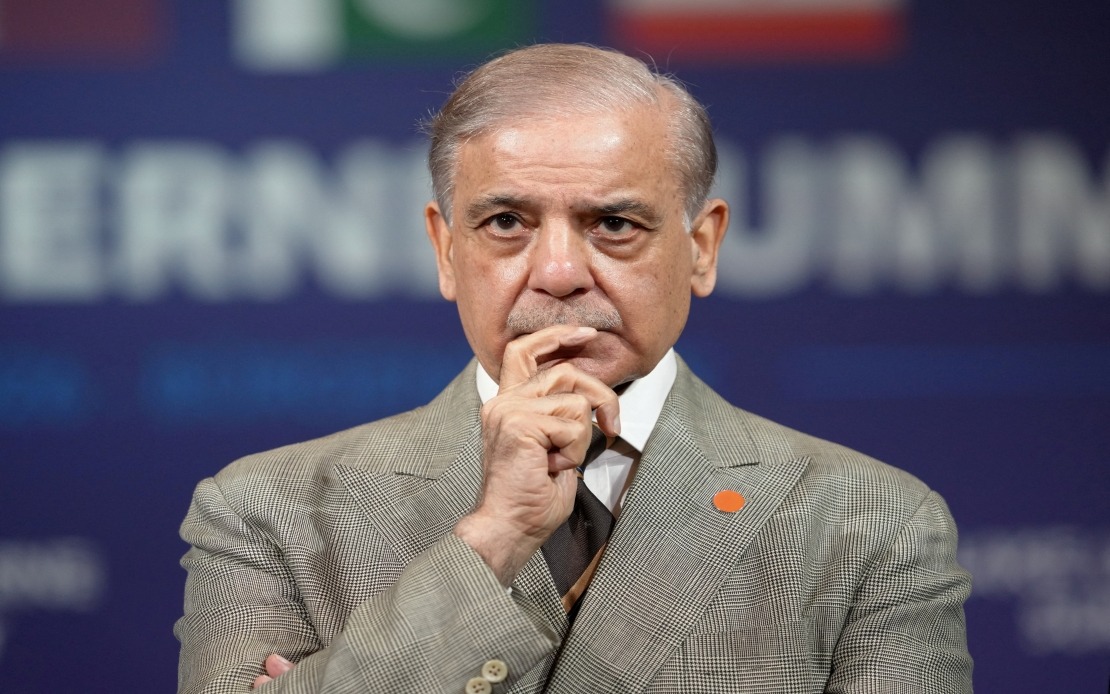
Pakistan and Türkiye have moved to strengthen their economic relationship, with senior leadership from both nations agreeing on an ambitious agenda during Prime Minister Shehbaz Sharif's recent visit to Istanbul. The talks between Shehbaz and Turkish President Recep Tayyip Erdogan on Saturday underscored a shared commitment to transforming bilateral ties beyond traditional political cooperation into a comprehensive economic partnership that could reshape regional trade dynamics. For Malaysia and other Southeast Asian nations watching bilateral relationships in Asia and beyond, the Pakistan-Türkiye model offers insights into how neighbouring countries with historical connections can translate political goodwill into concrete commercial benefits.
At the heart of the engagement lies an ambitious US$5 billion annual trade target, representing a significant scaling-up of current bilateral commerce. This figure signals both nations' determination to move beyond rhetoric and establish measurable benchmarks for their economic integration. The pursuit of this target reflects broader regional patterns where countries increasingly recognise that sustainable development requires diversified economic partnerships rather than reliance on traditional trade corridors. For Pakistan, which faces ongoing macroeconomic challenges, deepening ties with Türkiye—a major manufacturing and industrial hub—offers access to expertise, capital, and technology that could strengthen domestic sectors.
The proposed Pakistan-Türkiye digital corridor emerged as a cornerstone of the partnership discussion, with Shehbaz articulating his government's vision during separate meetings with Turkish technology leaders. This initiative transcends simple trade mechanics; it represents recognition that digital infrastructure and data management capabilities increasingly underpin economic competitiveness. Discussions with Turkcell's chief executive officer Ali Taha Koc focused specifically on establishing secure cross-border data flows and integrating digital infrastructure—areas where Türkiye possesses considerable expertise. Such infrastructure cooperation could position both nations as regional digital hubs, facilitating not just bilateral exchange but broader Southeast Asian and South Asian connectivity.
Energy cooperation constituted another critical dimension of the talks, with both sides identifying this sector as central to their partnership expansion. Pakistan faces chronic energy deficits that constrain industrial growth and household consumption, whilst Türkiye possesses advanced energy sector expertise and infrastructure experience. Similarly, transportation and logistics emerged as priority areas, reflecting each nation's geographic significance along Asian trade routes. The inclusion of critical minerals in cooperation discussions reveals forward-looking thinking about supply chain resilience—an increasingly important consideration as global economies diversify sourcing strategies away from concentrated supply points.
The breadth of Pakistan's ministerial delegation underscored the whole-of-government approach to cementing economic ties. Deputy Prime Minister and Foreign Minister Ishaq Dar's participation, alongside ministers overseeing maritime affairs, energy, petroleum, privatisation, information technology, and telecommunications, indicated that discussions permeated across multiple economic sectors. This comprehensive engagement reflected recognition that meaningful economic integration requires coordination across multiple government agencies and ministerial portfolios, ensuring that regulatory frameworks, infrastructure planning, and investment policies align with partnership objectives.
Turkish industry representation at the business conference demonstrated substantial commercial interest in Pakistani opportunities. The presence of major conglomerates including Koc Holding—one of Türkiye's largest and most diversified business groups—alongside specialist firms in home appliances, gas distribution, and exports signalled serious intent from Turkish private sector actors. These companies bring not merely capital but accumulated expertise in manufacturing, supply chain management, and market navigation. For Pakistani entrepreneurs and government officials, such engagement provides direct access to potential investors and technology partners without requiring intermediaries.
Manufacturing and industrial investment figured prominently in bilateral discussions, reflecting both nations' recognition that economic growth increasingly depends on value-added production rather than primary commodities or basic services. Türkiye's success in developing competitive manufacturing sectors across automotive, appliances, and consumer goods offers a template potentially applicable to Pakistan's industrial expansion strategy. The prospect of Turkish investment in Pakistani manufacturing facilities could help Pakistan move up value chains whilst providing Turkish companies access to South Asian markets and lower-cost production environments.
The mining sector's inclusion in cooperation discussions reflects evolving global commodity dynamics and the increasing strategic importance of critical minerals. Pakistan possesses significant mineral reserves, yet historically has lacked the capital and technical expertise for large-scale extraction and processing. Turkish mining companies bring operational experience from projects across Central Asia, the Middle East, and their own territory. Such collaboration could unlock Pakistan's mineral wealth while generating employment and government revenues—critical for a nation confronting fiscal constraints.
From a regional perspective, the Pakistan-Türkiye partnership signals important patterns for South and Southeast Asian economies. It demonstrates that middle-income countries can forge substantive economic partnerships based on complementary comparative advantages rather than remaining locked into traditional donor-recipient or commodity-trading relationships. For Malaysia, which itself navigates complex regional relationships whilst pursuing diversified economic partnerships, the Pakistan-Türkiye model illustrates potential cooperation frameworks. Both Pakistan and Türkiye occupy geographically strategic positions—Pakistan at South Asia's intersection with Central Asia, Türkiye bridging Europe and Asia—positioning them as natural corridors for regional trade and investment flows.
The digitalisation dimension particularly resonates across Southeast Asia, where countries compete to establish regional technological hubs and digital infrastructure leadership. Pakistan's interest in a digital corridor with Türkiye aligns with broader regional trends toward digital-first economic strategies. Malaysian policymakers, familiar with similar initiatives across ASEAN, will recognise the strategic logic: digital infrastructure investments generate immediate employment, attract technology sector talent, and position countries for long-term competitiveness in knowledge-based economies.
The substantive nature of these discussions—moving beyond ceremonial statements to concrete sector-by-sector cooperation plans—suggests both governments perceive genuine mutual benefit. Pakistan seeks access to Turkish manufacturing expertise and investment capital to address industrial development gaps, whilst Türkiye appears interested in South Asian market access and potential production cost advantages. This fundamental alignment of interests provides foundation for sustained collaboration beyond the typical cyclical pattern of bilateral engagement.
Implementation will prove critical in converting pledges into outcomes. The US$5 billion annual trade target, whilst ambitious, remains achievable if both governments remove tariff and regulatory barriers whilst their respective private sectors capitalise on partnership opportunities. The digital corridor concept requires sustained investment in shared infrastructure and regulatory harmonisation. For Malaysian observers, the success or struggles of this Pakistan-Türkiye partnership offer relevant lessons about what mechanisms genuinely advance bilateral economic cooperation and which remain aspirational statements without institutional backing or resource commitment.

