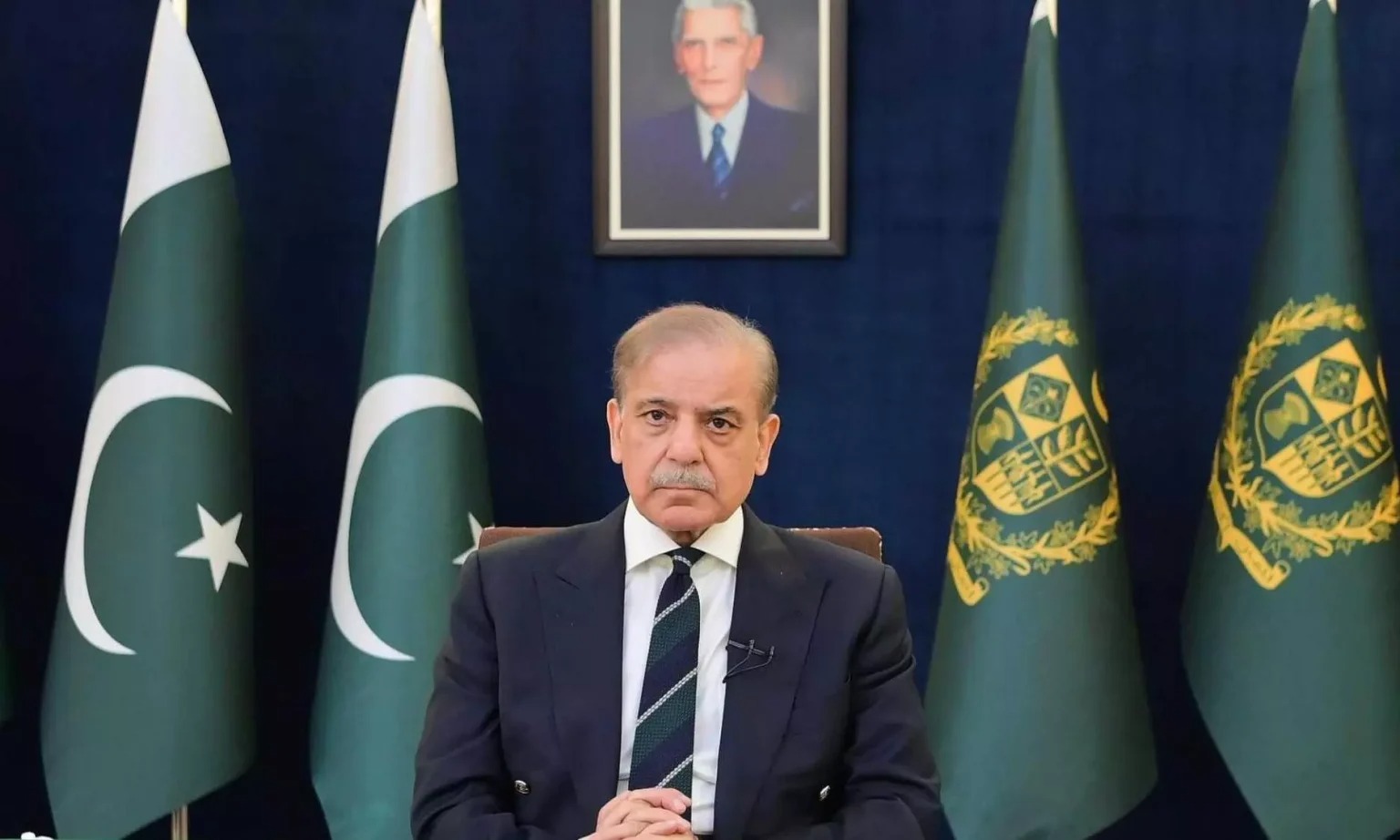
Pakistan's Prime Minister Shehbaz Sharif will make an official visit to Tehran on July 4 to attend the funeral of Iran's Supreme Leader Ayatollah Ali Khamenei, marking a significant diplomatic gesture at a critical moment in Iranian politics. The participation underscores Pakistan's commitment to maintaining strong bilateral relations with its western neighbour during a period of transition in Tehran's leadership.
Foreign Ministry spokesman Tahir Andrabi announced the decision at a press conference in Islamabad on Thursday, stating that the Pakistani delegation will formally convey condolences from both the Pakistani government and its people to the Iranian leadership and bereaved family members. This ceremonial representation reflects the diplomatic protocols observed between neighbouring nations when addressing moments of national significance for their counterparts.
The Prime Minister's delegation will be notably comprehensive, including Deputy Prime Minister and Foreign Minister Ishaq Dar alongside other senior cabinet ministers. This composition signals the high-level importance Pakistan attaches to the visit and suggests that bilateral matters beyond the funeral ceremony may be addressed during the delegation's time in Iran.
Following the funeral proceedings in Tehran, Shehbaz Sharif will extend his foreign trip to Turkey at the invitation of Turkish President Recep Tayyip Erdogan. This two-country visit scheduled for July 3-5 indicates a broader regional engagement strategy, with planned discussions in Ankara to cover bilateral relations and wider regional matters of mutual concern.
The timing of this diplomatic mission places Pakistan within a constellation of nations responding to Khamenei's death, reflecting the Supreme Leader's significance within regional geopolitical structures. Pakistan's explicit participation demonstrates its recognition of Iran's weight in South Asian and broader Asian affairs, particularly given their shared border and interconnected security challenges.
Meanwhile, India's representation at the funeral will be more restrained in comparison. Bihar state governor Syed Ata Hasnain and deputy foreign minister Pabitra Margherita will represent New Delhi at the ceremony, a lower-level delegation that reflects India's more cautious diplomatic approach to Iranian leadership transitions. This contrast in delegation levels between Pakistan and India highlights differing strategic calculations regarding the importance of ceremonial presence at such events.
Pakistan's attendance carries particular weight given the complex trilateral dynamics involving Islamabad, Tehran, and Washington. The funeral attendance provides an opportunity for Pakistan to reaffirm its regional positioning and demonstrate its independent foreign policy decision-making, especially amid broader geopolitical tensions in the Middle East and South Asia. For Malaysian readers and Southeast Asian observers, this development underscores how regional powers manage diplomatic representation during critical moments of leadership transition in neighbouring nations.
The funeral ceremony itself will likely draw a substantial international presence, with various nations weighing the diplomatic implications of attending. Pakistan's unambiguous decision to send the Prime Minister himself, rather than a lower-ranking official, signals confidence in maintaining and potentially deepening relations with Iranian authorities during this transitional period. The delegation's composition suggests that Pakistani policymakers are treating this moment as an opportunity for substantive engagement.
The subsequent Turkey visit indicates that Pakistan is pursuing a deliberate regional strategy encompassing both Iran and Turkey, two major powers with whom Islamabad seeks to strengthen cooperation. This sequential engagement demonstrates a coordinated approach to managing relationships with key regional players. For countries monitoring developments in Islamic cooperation frameworks and regional stability, Pakistan's diplomatic activism during this period may presage shifts in regional alignments or policy emphases.
The funeral of a figure as consequential as Khamenei represents more than a ceremonial moment; it often marks a juncture where nations reassess their regional strategies and positioning. Pakistan's visible participation signals its intention to remain engaged with Iran's evolving political structure and to maintain channels of communication with whoever consolidates power in Tehran. This calculated diplomacy reflects the reality that Pakistan's security and economic interests are deeply intertwined with developments in Iran and across the broader Middle East.

