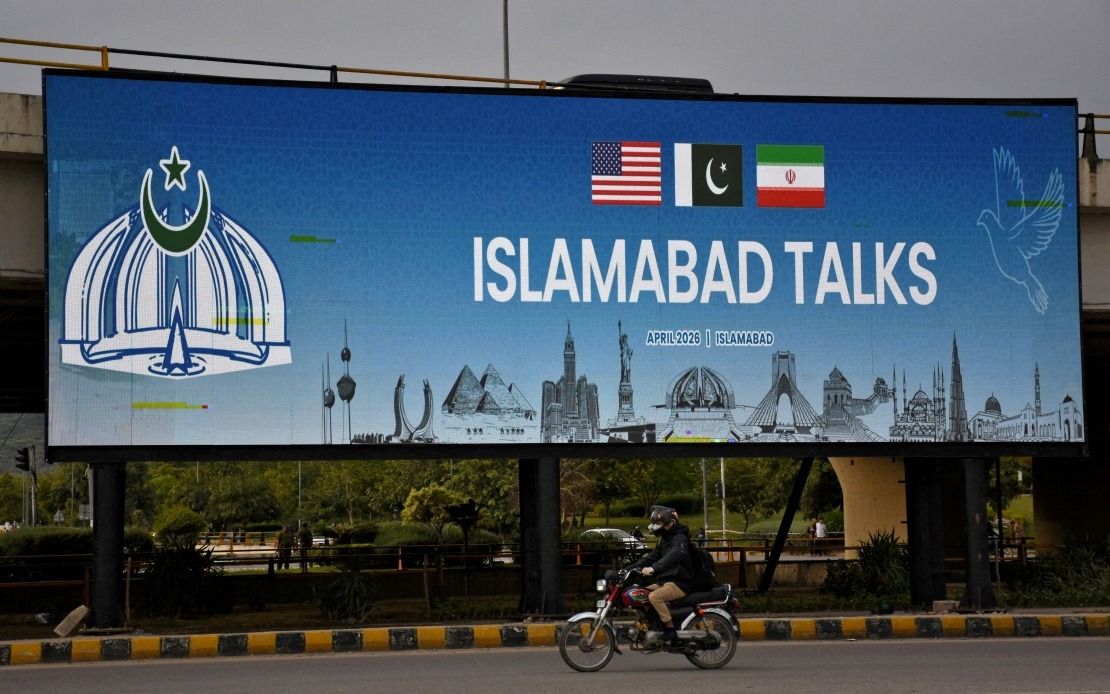
Pakistan is set to become the venue for the next phase of diplomatic engagement between Washington and Tehran, with talks scheduled for July 11. The development comes as both nations work through a series of agreements reached in recent weeks, signalling a potential thaw in one of the world's most volatile geopolitical relationships. Al Arabiya news channel reported the planned negotiations, which represent a continuation of dialogue efforts that have gathered momentum following months of heightened tensions.
The Iranian delegation's composition remains fluid, pending the conclusion of mourning ceremonies for former Supreme Leader Ali Khamenei, whose funeral is scheduled for July 9. This timing constraint underscores the interplay between domestic political processes in Iran and its international diplomatic calendar. The need to allow senior officials adequate time to participate in both state affairs and formal negotiations reflects the complexity of coordinating high-level talks during periods of significant political transition within Tehran's leadership structures.
The substantive agenda for these talks encompasses three critical areas that have long defined US-Iran relations. Discussions will address the architecture of economic sanctions that have formed the cornerstone of American pressure on Iran for decades. Equally important is the disposition of Iranian assets frozen as a result of those sanctions—funds that Tehran views as rightfully belonging to its national treasury and whose return has been a consistent demand in any normalisation process. The nuclear question, though framed as potentially requiring separate negotiations, continues to overshadow all other considerations in the bilateral relationship.
The broader context for Pakistan's hosting role lies in a significant breakthrough achieved on the night of June 18. Through remote proceedings, both the United States and Iran signed a memorandum of understanding that formally concluded a military conflict initiated on February 28. This ceasefire represents a dramatic reversal from the trajectory of escalation that had threatened to expand into a wider regional conflagration. The agreement's existence itself—regardless of ultimate implementation—signals that both capitals possess sufficient mutual interest in de-escalation to forge binding commitments.
The memorandum establishes specific timelines for reciprocal actions that create a framework for normalisation. The United States has committed to lifting its naval blockade of Iranian ports, a measure that has severely constrained Iran's maritime trade and imposed substantial economic costs on the Iranian economy. Simultaneously, Iran is obligated to restore shipping operations through the Strait of Hormuz, one of the world's most strategically critical waterways through which approximately one-third of global seaborne oil passes. These provisions directly affect regional and global energy markets, giving the negotiations significance well beyond bilateral concerns.
On the nuclear question, the memorandum incorporates a clear but qualified commitment from Iran. Tehran pledges not to pursue nuclear weapons acquisition, addressing a central concern that has driven Western policy toward Iran for two decades. However, the framework acknowledges that detailed arrangements concerning Iran's existing nuclear programme require separate negotiation. The parties have established a 60-day window for reaching such an agreement, imposing artificial but meaningful deadlines that create pressure for productive discussion.
For Iran, the ultimate objective remains the comprehensive removal of sanctions regimes that have strangled economic growth and limited technological advancement across multiple sectors. The lifting of these restrictions is presented not merely as a reward for compliance but as the anticipated outcome of successful negotiations. This framing reflects Tehran's position that sanctions imposed without corresponding nuclear violations constitute collective punishment rather than legitimate pressure mechanisms.
Pakistan's role as host nation carries particular significance for Southeast Asian and broader regional dynamics. The country has longstanding diplomatic relationships with both the United States and Iran, and its selection as venue suggests an attempt to find neutral ground acceptable to both parties. Pakistan's position as a Muslim-majority nation with deep ties to the Gulf region, combined with its historical role in facilitating back-channel communications, positions it as a logical intermediary for complex negotiations.
The sequence of events—ceasefire agreement, funeral observances, resumed negotiations—demonstrates how diplomatic progress unfolds incrementally rather than through grand gestures. Each stage requires careful management of domestic constituencies, religious observances, and international coordination. The fact that both nations have committed to a structured timeline indicates serious intent, though historical experience counsels caution regarding ultimate implementation of such agreements.
For Malaysia and the broader Southeast Asian region, these developments carry implications for regional stability and energy security. A sustained US-Iran rapprochement could reshape Middle Eastern geopolitics in ways that affect Southeast Asian trade patterns, security arrangements, and the balance of great power competition in the Indian Ocean and beyond. The success or failure of the July 11 talks will provide crucial indicators of whether this de-escalation trajectory can be sustained through the more difficult phases of detailed negotiations.
The choice of Pakistan as negotiating venue also reflects practical considerations around logistics, security, and regional acceptance. Neither party could comfortably host the other on its own territory during this sensitive phase, and Pakistan offers infrastructure and diplomatic experience suitable for such high-stakes engagement. The precedent of hosting such talks may enhance Pakistan's profile as a responsible regional actor capable of facilitating international dialogue, even as it navigates its own complex relationships with both Washington and Tehran.
As both delegations prepare for the July 11 discussions, the success of these talks will likely determine whether the ceasefire agreement represents a durable foundation for normalisation or merely a temporary pause in underlying antagonisms. The presence of specific agenda items and timelines suggests substantive intent, but the ultimate test lies in whether negotiators can bridge fundamental differences on sanctions relief and nuclear arrangements within the designated 60-day framework for comprehensive resolution.

