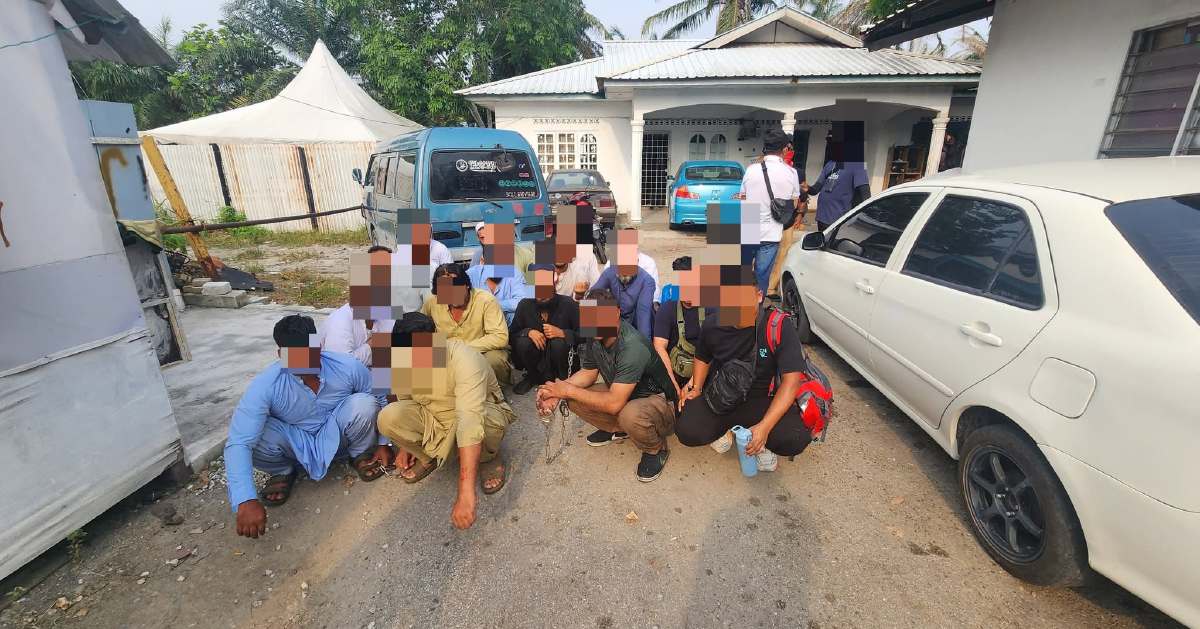
The Immigration Department has moved decisively against an organised vehicle parts syndicate, apprehending 20 individuals during a targeted enforcement operation at Jalan Kapar in Klang. The bust represents a significant breakthrough in efforts to dismantle cross-border smuggling networks that have plagued Malaysia's automotive sector, with investigators indicating that a Pakistani national orchestrated the illicit enterprise.
The operation, which unfolded yesterday, targeted premises believed to serve as the nerve centre of a sophisticated dismantling operation. According to enforcement sources, the syndicate specialised in acquiring vehicles—the origin of which remained under investigation—before systematically removing components for resale through underground networks. Such schemes typically exploit Malaysia's porous supply chains and the high demand for affordable spare parts across the region, creating lucrative opportunities for criminal enterprises that prioritise profit over legality.
The involvement of foreign nationals, particularly the alleged Pakistani mastermind, underscores how transnational criminal syndicates have increasingly infiltrated Malaysian commerce. Kingpin-led operations of this nature typically employ tiered hierarchies that insulate senior figures from direct liability whilst maintaining operational control through trusted intermediaries. The arrest of the presumed ringleader therefore carries operational significance beyond the individual, potentially disrupting the financial channels and supplier networks that sustain such enterprises.
Vehicle parts trafficking has emerged as one of Southeast Asia's more insidious smuggling problems, ranking alongside drugs and counterfeit goods in terms of enforcement priority. Unlike narcotics, automotive components attract less public attention despite generating comparable criminal revenues and funding broader illegal activities. The Klang bust demonstrates that Malaysian authorities recognise this threat and are devoting resources to counteract it, particularly in the Selangor corridor where vehicular theft and parts trafficking remain endemic challenges.
The scale of the Klang operation—involving 20 arrests and presumably substantial warehouse infrastructure—suggests this was no opportunistic street-level enterprise. Rather, the syndicate appeared designed to handle volume operations, likely processing multiple vehicles weekly and maintaining steady distribution channels to retailers, workshops, and individual buyers willing to purchase goods without documentation. Such networks typically exploit gaps in vehicle registration systems and exploit consumers' price sensitivity.
For Malaysian motorists, the proliferation of parts smuggling rings carries immediate consequences. Components sourced through illicit channels often lack quality assurance, safety testing, and manufacturer warranties, exposing buyers to mechanical failures that could compromise vehicle safety. Additionally, the normalisation of undocumented parts circulation undermines legitimate automotive retailers and workshops, creating unfair competitive pressures that destabilise the licit supply chain whilst enriching criminal enterprises.
The Immigration Department's involvement in this particular operation highlights how vehicle parts trafficking intersects with broader immigration and border enforcement concerns. Foreign-led syndicates typically exploit visa loopholes, overstaying arrangements, and porous documentation controls to establish operational footholds within Malaysia. By mobilising immigration enforcement alongside commercial crime investigators, Malaysian authorities signal a more integrated approach to tackling organised crime that transcends traditional departmental boundaries.
Investigators now face the complex task of tracing the syndicate's supply and distribution networks. Questions remain regarding where the targeted vehicles originated, how they were acquired, and which retailers or end-users received the dismantled components. International cooperation may prove essential if the investigation reveals links to transnational smuggling corridors extending into Pakistan, Bangladesh, or other South Asian jurisdictions from which the foreign nationals were sourced.
The arrest of a Pakistani mastermind also raises questions about how such individuals gained initial access to Malaysia and subsequently established criminal infrastructure. Enhanced scrutiny of visa sponsorship, employment verification, and residential address documentation may reveal systemic vulnerabilities that enabled the operation's establishment. Such findings could inform future immigration protocols and corporate compliance standards to prevent similar infiltration.
Beyond the immediate enforcement victory, the bust underscores the automotive sector's vulnerability to organised crime. Malaysian vehicle owners, repair workshops, and legitimate parts retailers should recognise that black-market component distribution undermines industry integrity and potentially exposes end-users to liability if accidents occur involving unverified parts. Consumer awareness campaigns emphasising the risks of purchasing undocumented components could complement enforcement efforts by reducing demand that sustains such syndicates.
The investigation's progression will be closely monitored by industry stakeholders and regulatory bodies tasked with protecting Malaysia's automotive supply chain integrity. Successful prosecutions and asset seizure will demonstrate government commitment to combating organised auto crime, whilst the dismantling of the Klang operation sends a deterrent message to aspiring smugglers that Malaysia's enforcement agencies possess both the will and capacity to disrupt their activities. However, addressing the underlying economic drivers—demand for cheap parts and supply-side vulnerabilities—remains essential for sustained progress against this entrenched criminal phenomenon.

