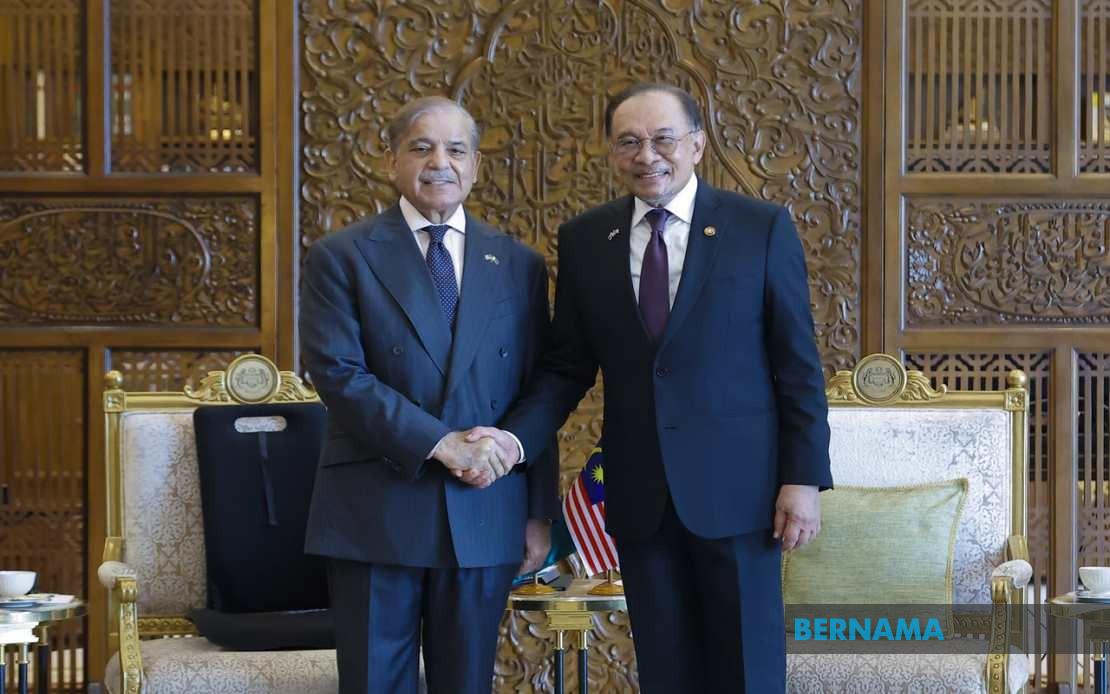
Pakistani Prime Minister Shehbaz Sharif has conveyed his hopes for a full and speedy recovery for Malaysian Prime Minister Datuk Seri Anwar Ibrahim as the latter undergoes a series of medical examinations and procedures. The gesture of solidarity from Islamabad comes as part of the broader bilateral relationship between the two Muslim-majority nations, underscoring the personal warmth often displayed between leaders of the Pakistan Muslim League-Nawaz and Malaysia's political establishment.
Sharif took to social media on Monday to share his well-wishes, framing the message in terms that reflected both diplomatic courtesy and spiritual sentiment. His statement emphasised that the people of Pakistan stood united with him in offering prayers for Anwar's continued health and swift return to his responsibilities as head of the Malaysian government. The posting demonstrated the practice, common among South and Southeast Asian political figures, of publicly supporting regional counterparts during periods of medical treatment.
According to Anwar's Senior Press Secretary Tunku Nashrul Abaidah, the Malaysian prime minister was proceeding with a comprehensive battery of medical examinations and therapeutic procedures that had been specifically recommended by a team of medical specialists. The planned interventions reflect standard practice among senior political leaders in the region, who typically undergo regular health assessments to ensure fitness for the demanding responsibilities of high office. The involvement of multiple specialists suggests a thorough and professional approach to maintaining the prime minister's wellbeing.
The medical process is expected to require a two-day observation period, during which Anwar will remain under the care of medical professionals. This timeline allows for both the completion of the scheduled procedures and the monitoring of his post-treatment condition, ensuring any complications can be promptly identified and addressed. Such observation periods have become standard protocol in contemporary medical practice, particularly for individuals in positions requiring sustained cognitive and physical stamina.
The exchange highlights the interconnected nature of leadership within the Organisation of Islamic Cooperation and the broader Asian political sphere. Pakistan and Malaysia have long maintained cordial relations, with regular diplomatic engagement and cooperation across economic, defence, and cultural domains. Leaders from both nations have historically demonstrated mutual respect and concern for one another's wellbeing, particularly during periods when personal health challenges might temporarily affect their capacity to lead.
Anwar's temporary step back from full duties comes at a time when Malaysia continues to navigate complex domestic and regional challenges. The Prime Minister's Office typically ensures that continuity of governance is maintained during such periods, with appropriate delegations of responsibility made to senior cabinet colleagues. This institutional arrangement reflects Malaysia's mature democratic structures and established protocols for managing transitions in executive capacity.
For Malaysian observers and the broader Southeast Asian political community, such medical procedures among sitting leaders have become increasingly routine and accepted. The region's development has brought with it higher standards of healthcare infrastructure and medical expertise, with senior officials often accessing world-class facilities and specialist care. Public disclosure of such health-related matters, once considered sensitive, has become more normalized across the region.
Sharif's intervention, while ostensibly a simple gesture of concern, also serves a diplomatic function. Senior figures from neighbouring and friendly nations often use such moments to reinforce bilateral relationships and express shared values. The reference to Islamic faith and divine blessing appeals to common cultural and religious ground between Malaysian and Pakistani societies, reminding both populations of the bonds that unite their nations beyond mere political calculation.
The Malaysian government's transparent communication through official press channels regarding the nature and timeline of Anwar's medical procedures reflects contemporary standards of governmental accountability. Rather than allowing speculation to flourish, the Prime Minister's Office chose to provide factual information about the scope and expected duration of the treatment. This approach serves to reassure both domestic stakeholders and international partners that Malaysia's governance structures remain stable and functional.
As Anwar undergoes his medical procedures, attention within Malaysian political circles will likely focus on the seamless functioning of government institutions during his absence. The strength of any nation's democratic framework is often demonstrated through its ability to maintain continuity and function effectively even when senior leaders are temporarily unable to exercise their full duties. Malaysia's established protocols and institutional depth are being tested, albeit in routine circumstances, to ensure that critical governmental functions proceed uninterrupted.
The broader significance of this episode extends beyond the immediate health concerns of one individual leader. It reflects how Southeast Asian nations, particularly those with substantial Muslim populations, navigate the intersection of traditional Islamic values emphasizing prayer and healing with modern medical science. The simultaneous invocation of both specialist medical expertise and divine intervention represents a balanced approach that has become characteristic of contemporary leadership in the region.
Bilateral relations between Islamabad and Kuala Lumpur are likely to benefit from such public expressions of concern and solidarity. In an increasingly competitive regional environment where nations vie for influence and alliance, these personal connections between leaders can prove valuable in building goodwill and strengthening institutional ties. The episode serves as a reminder that Southeast Asia and South Asia remain linked by bonds of faith, shared history, and mutual interest in regional stability.

