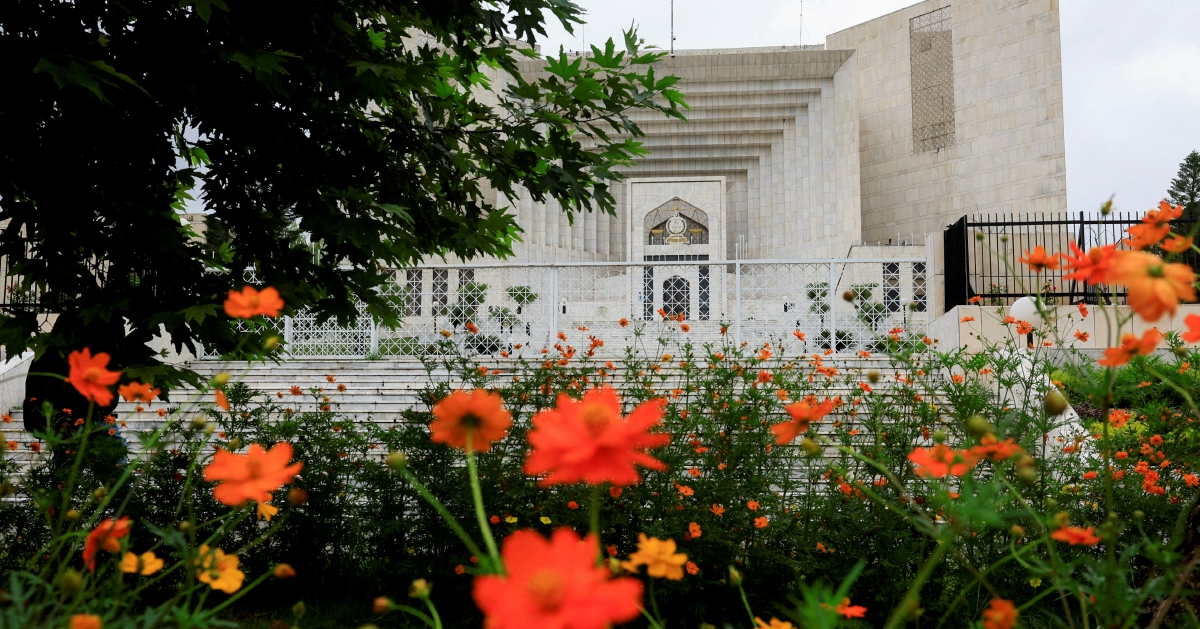
Former Pakistani Prime Minister Imran Khan, the country's most influential political figure, has been relocated to hospital for comprehensive medical testing under directives issued by the Supreme Court. The Pakistan Tehreek-e-Insaf (PTI), Khan's political party, announced the development early Friday, marking a significant development in the high-profile detention case that has captivated national attention.
Khan's transfer reflects mounting pressure on Pakistan's judicial system to ensure adequate healthcare access for prominent detainees. The intervention by the Supreme Court indicates growing judicial scrutiny over detention conditions and medical care provisions for the former head of government. Such court orders for medical evaluation in high-profile cases often signal concerns about a prisoner's physical wellbeing or broader questions regarding the treatment of individuals in custody.
The timing of Khan's hospitalisation comes amid ongoing political turbulence in Pakistan, where his imprisonment has become a focal point of public discourse and international concern. The PTI, which emerged as a formidable political force under Khan's leadership before his ouster in 2022, has consistently alleged that his detention represents political persecution rather than legitimate criminal prosecution. This latest move provides the party with additional platform to underscore their claims about treatment of their leader.
For Malaysian and Southeast Asian observers, Khan's case illuminates broader questions about judicial independence, detention practices, and the intersection of politics and law enforcement in South Asia. Pakistan's handling of high-profile political cases frequently receives regional scrutiny, particularly regarding whether legal systems function impartially or serve factional political interests. Khan's prominence makes his treatment a significant indicator of governance standards within the region.
The Supreme Court's intervention suggests that judicial mechanisms, despite political pressures, retain capacity to exercise oversight over executive detention practices. Whether such orders reflect genuine commitment to rule of law or represent tactical adjustments remains contested within Pakistani political circles. The outcome of Khan's medical evaluation and the court's subsequent decisions will provide insight into Pakistan's institutional resilience.
Khan's continued detention despite his enormous public popularity underscores the complexity of Pakistan's political environment, where electoral popularity does not necessarily translate into protection from legal challenges. His PTI party maintains formidable grassroots support, particularly among younger voters and urban constituencies, creating persistent tension between street-level political momentum and state institutions.
The circumstances surrounding Khan's imprisonment have drawn international attention from human rights organisations and foreign governments concerned about due process compliance. These external perspectives add another dimension to domestic discussions, as Pakistani authorities must balance national sovereignty considerations against international expectations regarding detention standards and fair trial guarantees.
For Pakistan's struggling economy and reputation in international capital markets, prolonged political uncertainty centred on high-profile cases like Khan's presents additional complications. Investors and development partners monitor governance indicators closely, and perceived judicial capture or politically-motivated prosecutions undermine confidence in institutional stability. The Supreme Court's continued engagement with Khan's case suggests recognition that judicial credibility itself carries strategic importance.
The hospital transfer also raises practical questions about Khan's health condition that precipitated the court order. Whether the move reflects serious medical concerns or represents routine evaluation procedures remains unclear from available information. The PTI and independent observers will likely scrutinise the findings closely for evidence supporting either narrative regarding detention conditions.
Moving forward, the Supreme Court's role becomes increasingly consequential for Pakistan's political trajectory. Judicial decisions in Khan's case will reverberate across the broader political landscape, potentially influencing how security forces treat other detained opposition figures and affecting public perception of institutional fairness. The outcome will also shape investor confidence and international relations, particularly with democratic partners concerned about governance standards.
Khan's case exemplifies persistent challenges confronting emerging democracies in South Asia, where institutions must simultaneously navigate political pressures, public expectations, and international standards. The balance struck between these competing demands will influence not only Khan's individual fate but Pakistan's trajectory toward either democratic consolidation or continued institutional fragmentation.

