The Palestinian Foreign Ministry has mounted a forceful defence of the United Nations Relief and Works Agency for Palestine Refugees in the Near East, rejecting what it characterises as coordinated attempts to erode the agency's operational authority in Gaza. In a formal statement released on Wednesday, Palestinian officials underscored UNRWA's irreplaceable function in sustaining millions of Palestinians across occupied territories and refugee communities throughout the wider region.
According to the ministry's position, UNRWA operates as a cornerstone institution delivering multiple essential services that no other organisation currently provides at comparable scale. The agency administers educational programmes, operates healthcare facilities, distributes social protection benefits, and delivers emergency humanitarian relief throughout the Gaza Strip, East Jerusalem, the West Bank, and Palestinian refugee camps located in neighbouring countries. These services collectively touch nearly every aspect of daily Palestinian life, from childhood vaccination programmes to schooling to food security mechanisms that prevent acute malnutrition.
Palestinian officials emphasised that UNRWA's authority derives from explicit United Nations mandates and operates within established international legal frameworks. The ministry's statement stressed that the agency was created through formal UN procedures and maintains diplomatic privileges and immunities recognised under international law. This legal grounding, according to the Palestinian perspective, distinguishes UNRWA from charitable organisations and places it within the formal architecture of international humanitarian responsibility.
The timing of Palestine's statement reflects intensifying pressure from the Trump administration's newly established Board of Peace, which declared on Wednesday that UNRWA has no viable future in Gaza's post-conflict structure. The board's pronouncement, posted across social media platforms, suggested that replacing UNRWA-dependent systems would prevent what officials characterised as perpetual aid dependency and conflict cycles. This framing represents a fundamental philosophical disagreement about whether international humanitarian institutions address or perpetuate regional instability.
The Board of Peace itself constitutes a recent institutional innovation within Trump's diplomatic architecture. Established in January 2025, the board emerged from Trump's broader initiative to broker Gaza settlement negotiations. The organisation held its inaugural substantive meeting in mid-February at the United States Institute of Peace in Washington, with Trump providing direct leadership. These discussions supposedly form part of the second phase of Trump's comprehensive twenty-point framework designed to terminate the ongoing Gaza conflict, an approach that received formal backing through a November United Nations Security Council resolution.
Palestinian authorities rejected the notion that humanitarian assistance can serve as an adequate substitute for addressing underlying refugee rights and dignity. The ministry specifically invoked United Nations General Assembly Resolution 194, which Palestinian officials interpret as guaranteeing fundamental refugee rights including the right of return. By emphasising this distinction, the statement reframes the current debate away from questions about aid delivery efficiency toward deeper questions about Palestinian self-determination and the resolution of displacement resulting from historical conflicts.
The Foreign Ministry also addressed what it viewed as problematic linguistic frameworks appearing in international discussions about Gaza's future. Palestinian officials rejected terminology that they argued fragmented Palestinian geographic identity or separated Gaza from the broader Palestinian national project. The statement reasserted that Gaza constitutes an integral component of Palestine as a unified political entity, and that Palestinians across Gaza, the West Bank, East Jerusalem, and diaspora communities form one cohesive national population despite geographic separation.
The ministry's statement explicitly called upon all international actors—including individual nations, multilateral institutions, and international organisations—to respect UNRWA's mandated authority and its legal protections under international law. The statement demanded guarantees that UNRWA personnel, physical infrastructure, and operational capacity would remain protected until the international community achieves a comprehensive, durable resolution to the Palestinian refugee question consistent with international legal standards and relevant United Nations resolutions. This framing positions UNRWA protection as a prerequisite for any legitimate peace settlement.
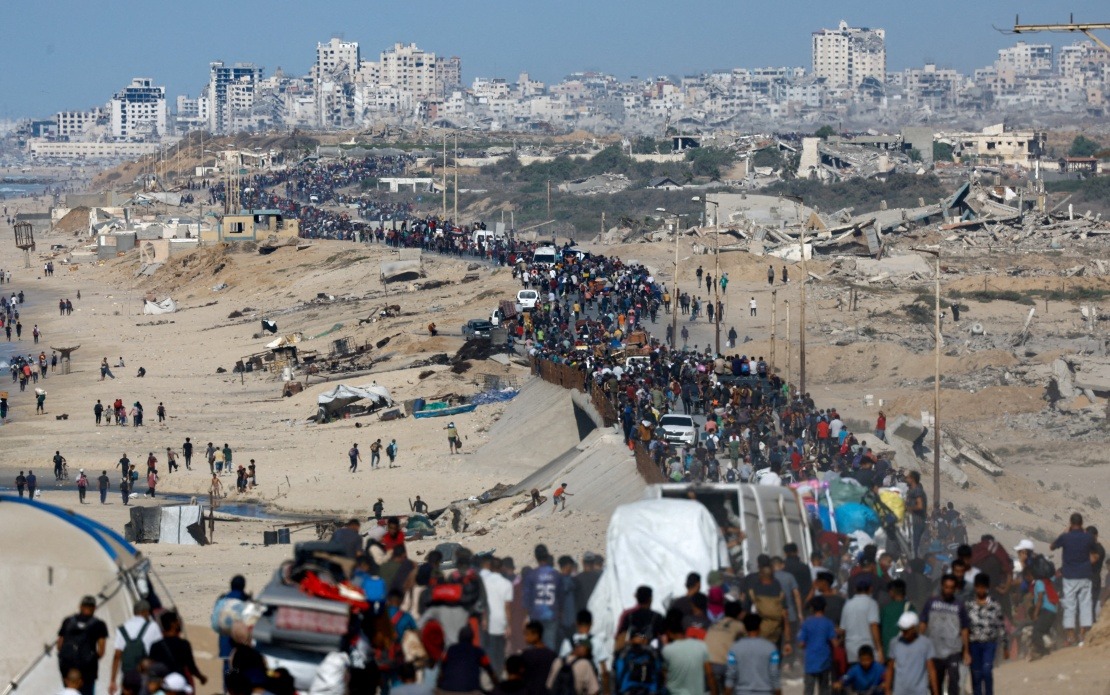
The broader context underpinning this dispute involves the continuing humanitarian catastrophe unfolding across Gaza since October 2023, when Israeli military operations commenced with substantial international backing. According to Palestinian health authorities and casualty tracking organisations, the conflict has resulted in over 73,000 Palestinian deaths, with an additional 173,000 individuals sustaining injuries. The overwhelming majority of casualties comprise women and children, indicating the conflict's severe impact on civilian populations and suggesting that humanitarian infrastructure like UNRWA will remain critical for years beyond any formal ceasefire agreement.
For Malaysian policymakers and regional observers, this dispute reflects deeper tensions within the international humanitarian system and divergent visions for post-conflict institution-building. The Trump administration's suggestion that traditional relief mechanisms perpetuate dependency challenges established practices that have governed refugee assistance for decades. The Palestinian response, conversely, insists that dismantling existing humanitarian infrastructure without simultaneously resolving underlying political grievances abandons vulnerable populations. This fundamental disagreement will likely shape discussions within ASEAN forums and Malaysian foreign policy considerations regarding Gaza's reconstruction and the broader Israeli-Palestinian conflict.

