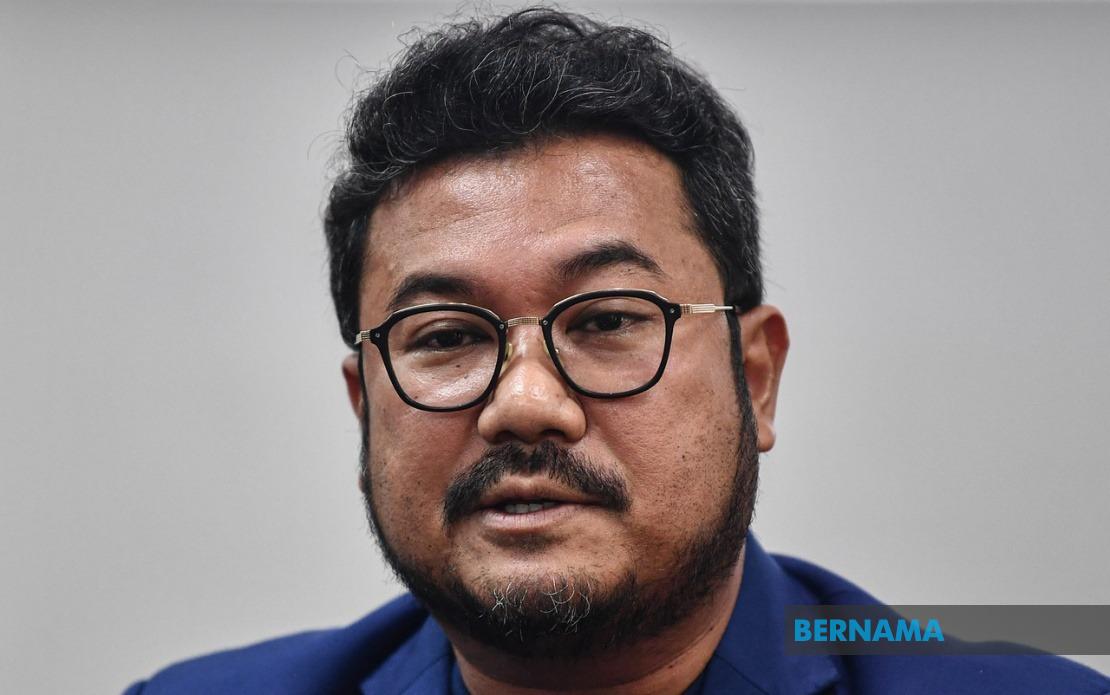
Datuk Seri Megat D Shahriman Zaharudin, who leads the Malaysian Paralympics Council, will seek elected office in the forthcoming Negeri Sembilan state polls, running under the Parti Peribumi Bersatu Malaysia banner. The announcement came during a candidate declaration event in Nilai on July 17, where Bersatu president Tan Sri Muhyiddin Yassin unveiled the party's full slate of 24 hopefuls for the 16th state election. Megat D Shahriman is slated to contest the Seri Menanti constituency, marking a notable crossover from the sports administration sphere into electoral politics.
The candidate's background extends beyond his presidency of the Malaysian Paralympics Council. He also heads the Negeri Sembilan Canoe Association, underscoring his deep involvement in athletic governance and state-level sporting affairs. This dual leadership of both a national Paralympic body and a state-based water sports organisation positions him as a figure with considerable influence across Malaysia's sports ecosystem, particularly in disability sports promotion and competitive canoeing.
The inclusion of sports administrators in Bersatu's electoral lineup reflects a broader strategic approach by the party to field candidates with established community credentials and organisational experience. By recruiting individuals who already hold significant positions in civil society institutions, Bersatu aims to leverage existing networks and public profiles to strengthen its electoral competitiveness. In Megat D Shahriman's case, his prominence in disability sports could resonate with constituencies containing substantial numbers of persons with disabilities and their families, as well as sports enthusiasts more generally.
Negeri Sembilan's political landscape remains competitive, with multiple coalitions vying for control of the state assembly. The 16th state election represents an opportunity for Bersatu to consolidate or expand its presence in one of Malaysia's smaller but politically significant states. The party's candidate selection strategy suggests confidence in its organisational capacity and resource allocation for the campaign period ahead.
The electoral calendar laid out by the Election Commission provides a structured timeline for campaigning and voting activities. Nomination day is set for Saturday following the announcement, allowing candidates to formally register their candidacy. Early voting has been scheduled for July 28, accommodating voters who may be unable to participate on the main polling day. The general election itself takes place on August 1, compressing the campaign period into a relatively brief two-week window that demands efficient mobilisation of party machinery and volunteer networks.
For candidates like Megat D Shahriman, the compressed campaign timeline requires rapid transition from nomination to active electioneering. Successful navigation of this period demands not only strong party organisational support but also personal campaign capabilities, including public relations acumen, community engagement skills, and ability to articulate policy positions relevant to local constituents. His sports administration background provides tangible achievements to highlight, though electoral success ultimately depends on broader messaging resonance beyond his immediate professional domain.
Seri Menanti's demographic composition and voting patterns will significantly influence the competitiveness of this particular race. Understanding local economic concerns, infrastructure priorities, and service delivery issues will be crucial for Megat D Shahriman's campaign messaging. Sports and disability-related policy positions may form part of his platform, though they will likely require integration with bread-and-butter issues affecting ordinary voters in the constituency.
Bersatu's overall performance in Negeri Sembilan will be closely monitored as an indicator of the party's electoral trajectory and coalition viability. The composition of candidates across the 24 contested seats suggests party leadership's assessment of which constituencies offer genuine winning opportunities and which represent defensive positions. Strategic resource allocation and candidate support will likely concentrate on constituencies deemed most winnable, while other candidates may receive more modest party attention.
The broader implications of this election extend beyond Negeri Sembilan itself. State election results often serve as bellwethers for national political sentiment, providing insights into voter preferences regarding coalition composition, governance performance, and policy priorities. A strong Bersatu performance could strengthen Tan Sri Muhyiddin Yassin's political positioning, while disappointing results might prompt internal party reassessment and coalition recalibration at the national level.
For the disability sports community in Malaysia, Megat D Shahriman's entry into electoral politics represents a potential avenue for elevating disability sports policy within state and national government spheres. If elected, his presence in the Negeri Sembilan state assembly could facilitate advocacy for increased funding, facility development, and athlete support programs. Conversely, his divided attention between parliamentary duties and sports administration roles would require careful management to avoid compromising either responsibility.
The electoral period ahead will test both Megat D Shahriman's personal political viability and Bersatu's broader campaign competency in Negeri Sembilan. His established reputation and organisational background provide initial advantages, but electoral politics operates according to distinct logics from sports administration, requiring different skill sets and voter engagement approaches. How effectively he adapts his existing profile to electoral competition will substantially determine his prospects in the August 1 poll.

