Malaysia has taken a landmark step in professionalising its social work sector with the Dewan Rakyat's approval of the Social Work Profession Bill 2026 on July 14. The legislation establishes the Malaysian Social Work Profession Council as the central regulatory body tasked with overseeing and standardising social work practice across the country. The Bill passed following debate contributions from 23 Members of Parliament representing both government and opposition benches, marking the culmination of advocacy efforts that have extended across a decade to gain statutory recognition for the profession.
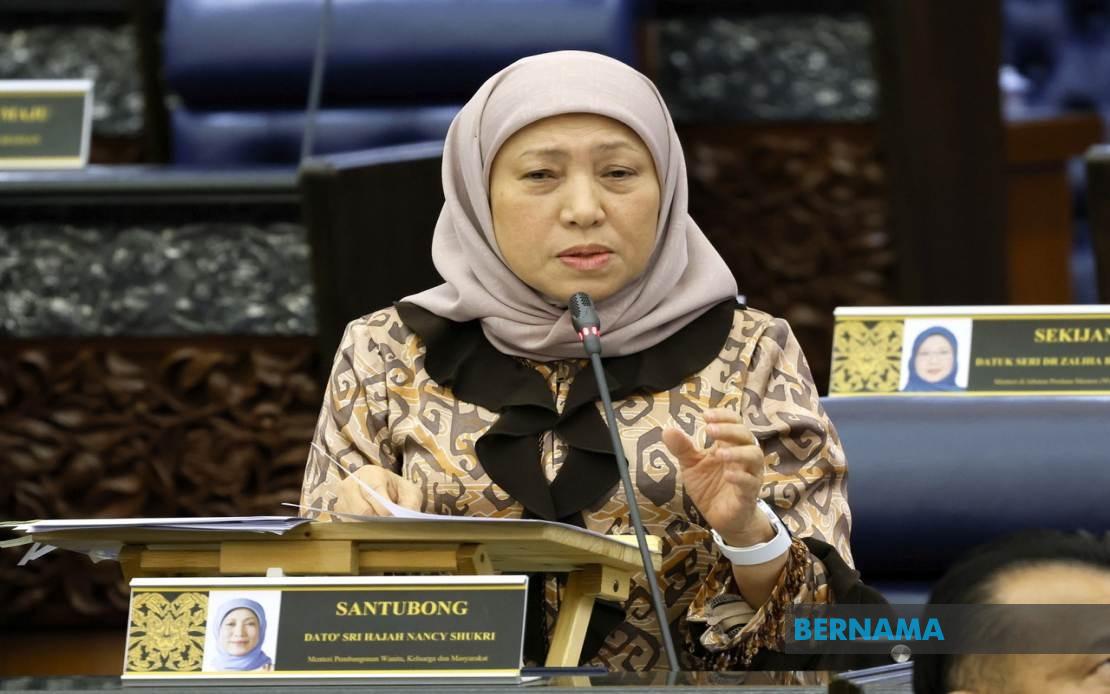
Winding up the parliamentary debate, Minister of the Women, Family and Community Development Ministry Datuk Seri Nancy Shukri outlined a phased implementation strategy that prioritises establishing the Council's institutional capacity before expanding regulatory oversight. The initial phase requires all private sector social work practitioners to register with the Council, encompassing those employed by non-governmental organisations, community-based organisations, corporate entities, and independent practitioners. This targeted approach reflects pragmatic recognition that the public sector operates under different governance structures and existing accountability mechanisms that would require more complex legislative coordination across multiple government agencies.
The decision to initially exempt public sector social workers from mandatory professional certification requirements, while private practitioners must register, generated parliamentary scrutiny during the debate. Howard Lee, representing Ipoh Timor under the Pakatan Harapan coalition, raised concerns about the differential standards, noting that government-employed social workers handle equally sensitive and high-risk cases involving child protection, persons with disabilities, elderly persons, and vulnerable families. He argued that citizens deserve consistent professional standards regardless of whether their social services come from government, non-profit, or commercial providers. His intervention highlights an important tension within the legislation—balancing immediate regulatory progress in the private sector with longer-term aspirations for comprehensive professional standardisation.
Minister Shukri acknowledged this aspiration, emphasising the government's commitment to eventually establishing integrated regulation encompassing all social workers in Malaysia. She explained that public sector practitioners currently operate within established supervision systems, training protocols, standard operating procedures, codes of ethics, and inter-agency coordination requirements. Any future expansion of mandatory certification to public servants would require careful synchronisation across multiple ministries and agencies, suggesting that this evolution will proceed deliberately rather than immediately upon the Bill's implementation. This staged approach, while pragmatic, leaves open questions about the timeline and mechanisms for achieving the holistic professional regulation that Minister Shukri described as a long-term objective.
The newly established Malaysian Social Work Profession Council will assume substantial responsibilities in shaping the profession's future development. Beyond maintaining the professional register, the Council will develop comprehensive regulations, guidelines, and competency frameworks defining the qualifications required for practice. The Council will establish a complaints mechanism to address professional misconduct, draft guidelines protecting social workers' safety and welfare, and consider proposals including reciprocal recognition arrangements for social workers operating across different jurisdictions. These functions position the Council as significantly more than a mere registration body, instead casting it as an institution capable of elevating professional standards and establishing consistent expectations across Malaysia's social work sector.
One notable exemption ensures that volunteer caregivers and unpaid community volunteers remain outside the Council's regulatory scope, a boundary that protects the informal care economy while preserving the Bill's focus on professional practitioners. Similarly, the legislation clarifies that minimum wage determinations remain subject to existing labour laws rather than Council jurisdiction, preventing mission creep into labour relations matters. Operational funding for the Council will derive from government budgetary allocations, ensuring that regulatory costs do not fall upon individual practitioners or their employers during the institution's establishment phase. This public funding model reflects implicit government recognition that professional regulation of social services represents a public good warranting state investment.
Parliamentary contributions revealed important stakeholder perspectives on implementation priorities. Dr. Halimah Ali, representing Kapar under Perikatan Nasional, proposed that the government deploy targeted financial incentives to support the transition toward professional regulation. She suggested mechanisms including special grants to NGOs engaged in social work, scholarship programmes supporting practitioner development, and employment incentives attracting qualified workers to underserved rural areas. Such measures acknowledge that professionalisation requires not merely regulatory frameworks but also economic support enabling practitioners and organisations to meet emerging standards. Geographic equity emerged as a specific concern, with Datuk Siti Aminah Aching representing Beaufort emphasising that the competitive career schemes should extend across Malaysia's peninsula, Sabah, and Sarawak, ensuring that professional advancement opportunities reach beyond major urban centres.
The parliamentary consensus supporting the Bill reflects broader recognition that social work in Malaysia has operated without adequate professional protections or standardised competency requirements. The profession encompasses practitioners managing extraordinarily sensitive responsibilities—intervening in family crises, protecting vulnerable children, supporting persons with disabilities, and assisting impoverished communities. Yet without statutory professional registration, the sector has lacked consistent entry qualifications, disciplinary mechanisms, or recourse systems for clients experiencing substandard service. The Council's establishment addresses this institutional gap, creating the scaffolding upon which professional legitimacy and public confidence can develop.
Lim Lip Eng, representing Kepong under Pakatan Harapan, framed support for the Bill around principles of independence and transparency, emphasising that the Council must operate as a genuinely autonomous body capable of enforcing fair disciplinary standards. His intervention points toward an important governance challenge: ensuring that the Council, though government-funded, maintains sufficient institutional distance to exercise credible professional oversight without becoming merely an instrument of state control. The credibility of any regulatory body depends substantially upon stakeholder perception of its independence, impartiality, and commitment to professional standards above political or bureaucratic expediency.
From a regional perspective, Malaysia's legislative recognition of social work as a regulated profession positions the country at the forefront of Southeast Asian efforts to professionalise social services. Several neighbouring nations lack comparable statutory frameworks, meaning Malaysia's experience will likely attract regional interest and potentially influence discussions about social work regulation across the Association of Southeast Asian Nations. The establishment of reciprocal arrangements through the Council, as Minister Shukri mentioned as a future possibility, could eventually facilitate cross-border professional mobility within the region, creating opportunities for knowledge exchange and coordinated responses to transnational social welfare challenges.
The decade-long journey toward this legislative milestone reflects the social work profession's persistent advocacy for recognition and the government's eventual responsiveness to that pressure. Implementation will determine whether the Council becomes a vibrant professional institution elevating standards and supporting practitioners, or alternatively a bureaucratic entity imposing registration requirements without delivering commensurate benefits. The phased approach, initially focusing on private sector registration while maintaining existing public sector arrangements, pragmatically launches the regulatory framework while signalling the longer-term ambition of comprehensive professional standardisation. Success will require the government to provide adequate resources, the Council to exercise independent judgment, and practitioners across sectors to embrace professional development as essential to their expanding responsibilities in Malaysia's increasingly complex social landscape.

