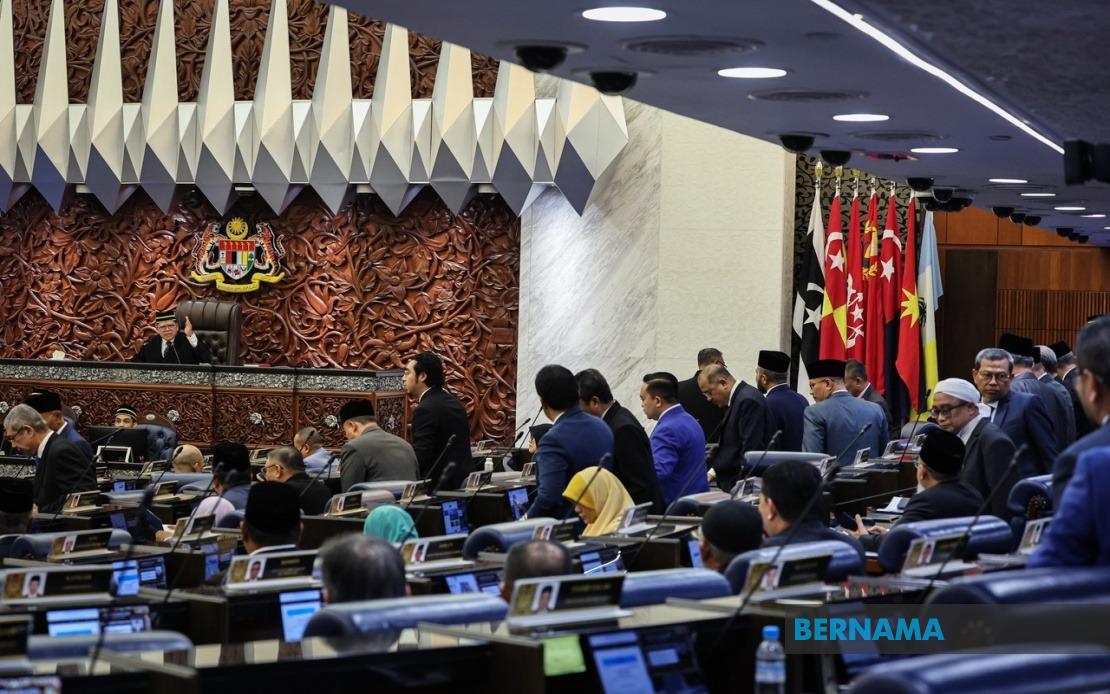
Parliament opened formal proceedings on the Lembaga Tabung Haji (TH) Royal Commission of Inquiry report during a specially convened sitting in Kuala Lumpur, with the Speaker confirming that the chamber would provide MPs a comprehensive platform to examine the commission's conclusions. The extraordinary parliamentary session was authorised at the request of Prime Minister Datuk Seri Anwar Ibrahim, who formally notified the Speaker of the need for dedicated debate time on this significant governance matter affecting millions of Malaysian pilgrims and investors.
Speaker Tan Sri Johari Abdul explained that the parliamentary sitting operated under Standing Order 11(3) of the Dewan Rakyat's procedural framework, which permits special sessions when formally requested by the Prime Minister. This constitutional mechanism ensures that matters of substantial public importance receive adequate legislative attention and scrutiny. By invoking this provision, the government signalled that the RCI findings warranted cross-party examination rather than routine administrative handling, elevating the issue to the chamber's most prominent deliberative space.
The Speaker's decision to facilitate the debate reflects parliamentary protocol balancing executive initiative with legislative independence. Tan Sri Johari described his role as bound by the Standing Orders, meaning he exercised procedural discretion rather than personal judgment. This distinction matters in Malaysia's Westminster system, where the Speaker functions as a neutral guardian of parliamentary rules rather than a policy actor. By framing his compliance as procedural obligation rather than political choice, the Speaker underscored Parliament's commitment to established institutional norms during a sensitive examination of a major statutory body.
The timing of the special sitting carries significance for Malaysian governance structures. Tabung Haji, as the country's sole hajj savings institution, operates with quasi-sovereign status given its explicit religious and social mission. The agency manages funds accumulated by millions of Malaysian Muslims preparing for pilgrimage, making any governance lapses matters of national concern. An RCI investigation suggests previous administrations encountered serious institutional challenges, warranting legislative review before policy remedies proceed.
Parliamentary debate on RCI reports represents a critical mechanism for converting investigative findings into legislative or executive action. Unlike Royal Commissions themselves, which produce non-binding recommendations, parliamentary discussion places findings before elected representatives accountable to constituents. This creates political pressure for implementation and generates public record of government responses, enhancing democratic oversight. Malaysian MPs from both ruling and opposition benches could challenge findings, propose amendments, or demand accountability based on the commission's factual record.
The Speaker's explicit mention of "both sides" debating reflects parliamentary culture in post-2018 Malaysia, where opposition representation expanded significantly. Previous parliaments under different governments sometimes limited scrutiny of sensitive matters. The current emphasis on cross-party participation indicates evolving norms around institutional accountability. Whether this translates into substantive questioning or performative compliance remains dependent on individual MPs' preparation and the government's openness to criticism.
For regional observers, Malaysia's parliamentary approach to institutional inquiries provides comparative context. Southeast Asian legislatures vary significantly in their capacity to conduct meaningful oversight of executive agencies and statutory bodies. Some parliaments function largely as rubber-stamp institutions, while others assert genuine supervisory authority. Malaysia's framework technically empowers legislators to examine RCI findings, though actual effectiveness depends on political will, technical competence, and public pressure sustaining attention beyond the initial sitting.
The Tabung Haji situation also illuminates broader questions about pilgrimage fund management across Muslim-majority nations. Several countries operate hajj savings schemes with different governance structures and varying records of institutional integrity. Malaysia's public examination of its system, however imperfect the process, contrasts with nations where such matters remain bureaucratic rather than legislative concerns. This transparency, even if incomplete, reflects democratic accountability expectations that Malaysian citizens have come to anticipate.
Beyond immediate institutional concerns, the special parliamentary sitting addresses accumulated public anxiety about Tabung Haji's financial health and management decisions preceding the RCI investigation. Many Malaysian savers had questioned whether their contributions remained secure and whether officials acted with appropriate fiduciary responsibility. Parliamentary debate converts abstract concerns into concrete questioning of witnesses and evidence, potentially clarifying what occurred and why. This ventilation of grievances serves both immediate accountability and longer-term institutional legitimacy.
The Speaker's framing emphasised "greater transparency in governance" alongside parliamentary responsibility, suggesting the government positions the exercise as demonstrating institutional self-correction. This narrative holds political advantages—showcasing willingness to investigate predecessors' potential failures—while potentially limiting scrutiny if opposition MPs lack documentation or technical resources to probe complex financial matters effectively. The quality of subsequent parliamentary interrogation will ultimately determine whether this sitting advances genuine accountability or merely performs it.
Moving forward, parliamentary debate conclusions must translate into concrete institutional reforms or enforcement actions for the exercise to achieve substantive impact. RCI reports without legislative follow-up risk becoming historical documents rather than catalysts for change. Malaysian stakeholders, particularly Tabung Haji contributors who feel aggrieved, will observe whether Parliament's discussion produces policy amendments, accountability measures, or merely preserves the status quo with official approval. The sitting therefore represents not an endpoint but a pivotal moment determining whether Malaysia's institutional review mechanisms function effectively in practice.

