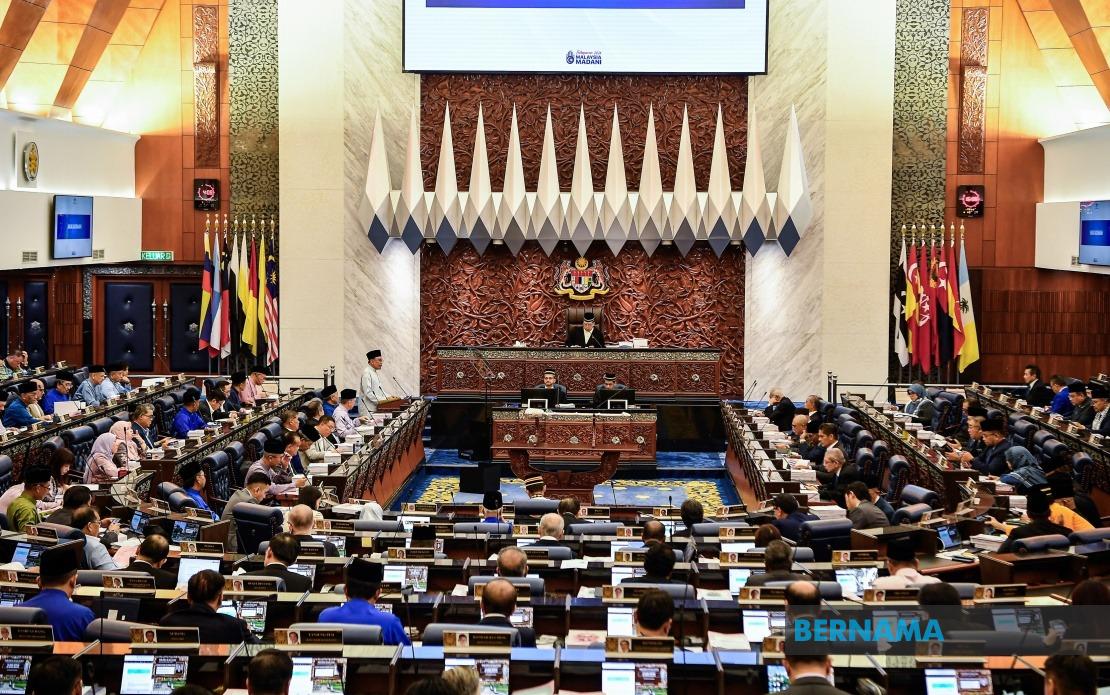
Parliament's lower house has endorsed the Cybercrimes Bill 2026, marking a significant legislative step in Malaysia's response to evolving digital threats. The passage came on July 1 following extensive debate among 48 lawmakers from both government and opposition benches, with the chamber approving the 61-clause measure through a majority voice vote. The new framework represents the nation's formal commitment to addressing crimes that exploit sophisticated technology to harm individuals and undermine digital security.
The Bill's scope extends significantly beyond traditional cybercriminal conduct. Among its central provisions is the criminalisation of deepfakes—synthetic media created through artificial intelligence that convincingly mimics real individuals—and the distribution of sexually explicit images produced or manipulated digitally without consent. These offences acknowledge the growing sophistication of technology-enabled abuse, where perpetrators can damage reputations and violate personal dignity through fabricated content that appears authentic to casual viewers. The inclusion of such provisions reflects Malaysia's recognition that digital manipulation techniques have outpaced existing criminal law in many jurisdictions across Southeast Asia.
Deputy Prime Minister Datuk Seri Dr Ahmad Zahid Hamidi provided parliamentary assurances that the legislation incorporates multiple layers of accountability rather than conferring unchecked authority upon law enforcement agencies. Speaking during the wind-up debate, he explicitly stated that the Bill does not supersede existing statutes, particularly the Official Secrets Act 1972, nor does it grant investigators absolute discretionary powers. This clarification addressed concerns that broad cybercrime laws in some jurisdictions have been weaponised against legitimate speech and political opposition. Malaysia's approach, as articulated by the Deputy Prime Minister, embeds the legislation within the nation's existing constitutional and legal architecture, requiring compatibility with established protections.
The legislation establishes procedural safeguards governing the authorities' ability to access digital systems and information. Any directive to preserve computer data can only be issued when an investigating officer holds reasonable grounds that the data is necessary for an active investigation and faces genuine risk of deletion, alteration, or destruction absent immediate preservation steps. This requirement prevents the casual or speculative seizure of digital material and mandates that enforcement action rest upon concrete evidentiary justification rather than mere suspicion. The threshold ensures that investigative necessity—not administrative convenience—triggers state interference with digital information.
Further protections govern how authorities may obtain access to preserved data. The legislation mandates that disclosure of computer data must occur through formal written notice directed to the person or entity possessing or controlling that information. This transparency mechanism alerts data subjects to government access and creates a documentary record of the request. Significantly, such disclosures remain contingent upon the pursuit of a lawful investigation, introducing an additional safeguard that prevents authorities from accessing digital information in contexts unrelated to genuine criminal inquiries. The requirement for written notice distinguishes Malaysia's approach from frameworks that permit covert or unannounced data access.
The Bill arrives amid heightened regional awareness of digital harm and cybercrime's transnational dimensions. Southeast Asian nations increasingly confront challenges posed by sophisticated technological abuse, from election interference through false information to intimate image-based harassment that disproportionately affects women. Malaysia's legislative initiative addresses these concerns through a domestic framework while maintaining alignment with international efforts to establish baseline protections against cyber-enabled harms. The measure reflects a consensus that existing criminal statutes, drafted for the analogue era, inadequately address crimes perpetrated through digital channels.
The passage of this legislation carries implications for Malaysia's developing digital governance ecosystem. As the nation advances digital transformation initiatives and expands online commerce and services, the regulatory environment must evolve to protect citizens and maintain trust in digital platforms. The Cybercrimes Bill 2026 provides authorities with explicit tools to investigate and prosecute technology-enabled offences while establishing guardrails intended to prevent abuse. How effectively authorities apply these provisions and whether courts interpret safeguards expansively or narrowly will substantially determine the legislation's real-world impact on digital freedom and security.
The involvement of 48 Members of Parliament from across the political spectrum in debate signals broad recognition of cybercrime's seriousness and the need for legislative response. Opposition participation in the legislative process, combined with the Deputy Prime Minister's explicit commitment to procedural checks and constitutional alignment, suggests an effort to build cross-party consensus around digital safety measures. This approach contrasts with polarised debates over cybercrime legislation in some jurisdictions, where opposition parties have viewed such measures with suspicion as potential tools for suppressing dissent.
Implementation of the Bill now depends upon subsequent regulatory action, including the promulgation of detailed rules governing investigative procedures, the training of law enforcement personnel, and the development of institutional capacity to pursue digital crime investigations. Enforcement agencies must develop expertise in handling digital evidence, understanding technological methods employed in deepfake creation and intimate image distribution, and conducting investigations that withstand judicial scrutiny. The transition from legislative approval to effective enforcement often reveals gaps between statutory intention and operational reality.
The Bill's emphasis on protecting fundamental rights and privacy reflects Malaysia's stated commitment to balancing security and personal liberty. As digital technologies become increasingly intrusive—enabling surveillance, data collection, and analysis at unprecedented scales—legislation governing their official use must incorporate robust privacy protections. The Cybercrimes Bill 2026's explicit references to fundamental rights protection and procedural safeguards represent an attempt to chart a course between permitting authorities to investigate legitimate cyber-enabled crimes and preventing the legislation from becoming a vehicle for mass surveillance or political suppression. Whether this balance endures depends substantially upon judicial interpretation and executive restraint in implementation.

