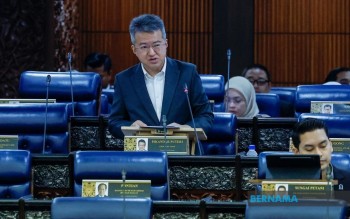
Malaysia's parliament has moved to place its sovereign wealth fund on firmer legal footing by passing the National Trust Fund (KWAN) Bill 2026 on Wednesday, marking a significant shift toward institutionalised safeguards that transcend political cycles. The legislation, introduced by Deputy Finance Minister Liew Chin Tong, received backing from lawmakers across the Dewan Rakyat following substantive discussion involving 15 members, signalling parliamentary consensus on the need for structural reform of a fund that has operated with considerable discretion since its inception nearly four decades ago.
The impetus for legislative overhaul stems from accumulated experience in managing the fund and a particular episode that captured public scrutiny in 2021, when RM5 billion was withdrawn under prevailing rules that imposed no meaningful constraints on such transactions. That withdrawal episode crystallised concerns about the absence of rigorous governance frameworks governing both the replenishment and deployment of sovereign resources set aside for future generations. The existing architecture permitted contributions to remain purely voluntary, imposed no ceiling on withdrawals, and provided vague guidance on permissible uses, creating vulnerabilities that policymakers recognised required formal correction through statute rather than administrative discretion alone.
The fund's asset base has grown to RM22.43 billion as of end-2024, though this accumulation has been heavily reliant on a single contributor. Petronas, the national petroleum corporation, has shouldered the responsibility of providing inflows for nearly 40 years, with its cumulative contributions reaching RM13.5 billion. This concentration of contributions poses an inherent structural risk; the fund's future growth becomes hostage to the financial trajectory and commercial decisions of a single entity, however strategically important. The legislative framework now mandates diversified, systematic inflows rather than depending on discretionary corporate generosity, establishing a more resilient foundation for intergenerational stewardship.
Central to the reformed architecture is the introduction of mandatory contributions calibrated at 0.1 per cent, representing a baseline that Liew characterised as the floor rather than ceiling for government commitment. This statutory obligation ensures that successive administrations, regardless of political complexion, must contribute to the fund as a matter of legal requirement rather than budgetary preference. By embedding this duty in parliamentary statute, the legislation erects a constitutional-grade barrier against the erosion of savings discipline through political expediency or short-term fiscal pressures that might otherwise tempt governments to redirect these resources toward immediate expenditure.
Equally significant is the provision that any modification to the contribution rate must traverse the full parliamentary amendment process, requiring explicit legislative sanction rather than executive fiat or administrative adjustment. This mechanism ensures that attempts to reduce or eliminate the mandatory contribution rate become visible, deliberate policy decisions subject to public debate and parliamentary scrutiny rather than technical adjustments that might escape broader notice. The requirement to return to the Dewan Rakyat for approval transforms what might otherwise be a routine administrative matter into a substantive democratic decision, theoretically empowering elected representatives to defend long-term fiscal prudence against short-term political pressures.
The legislation introduces withdrawal discipline through defined limits and purpose restrictions that replace the existing open-ended arrangement. Previously, the fund could be drawn upon for any general purpose without quantitative restraint, creating ambiguity about whether deployments served genuine intergenerational needs or represented opportunistic tapping of accumulated resources. The new framework constrains both the quantum and the rationale for withdrawals, establishing clear criteria that distinguish permissible draws from those that would constitute breach of the fund's foundational purpose. This shift from discretionary flexibility to governed constraint reflects international best practice among sovereign wealth funds, which increasingly incorporate strict withdrawal protocols to preserve their capital base across generations.
For Malaysia's fiscal trajectory, the legislative reform addresses a persistent tension between immediate budgetary demands and long-term savings objectives. The country's development aspirations and demographic shifts toward an ageing population will intensify pressure on public finances in coming decades. The formalisation of mandatory contributions to a ring-fenced national trust fund creates a structural counterweight to this pressure, institutionalising savings discipline that transcends individual political cycles. While 0.1 per cent of government revenue represents a modest baseline, the statutory nature of the obligation ensures that this minimum is maintained even during periods of fiscal stress when political pressure to redirect resources would otherwise be most acute.
The governance enhancements embedded in the bill also address accountability deficits evident in the fund's previous administration. Modern governance structures typically incorporate independent oversight mechanisms, transparent reporting requirements, and defined investment mandates that establish clear objectives and measurable performance criteria. These elements replace opaque management arrangements where decisions about fund deployment occurred outside robust public scrutiny. The legislative codification of governance standards binds successive administrations and fund administrators to professional standards that can be monitored by parliamentary committees and external stakeholders.
From a regional perspective, Malaysia's legislative move aligns with broader trends among Southeast Asian sovereigns toward professionalising wealth management and establishing intergenerational savings vehicles. Peer economies including Singapore, Thailand, and Vietnam maintain similar mechanisms to preserve resources for future citizens while maintaining fiscal stability. The enhancement of Malaysia's framework signals commitment to joining international standards for sovereign wealth governance, potentially improving the fund's investment credentials and institutional standing among global asset managers and institutional investors.
The passage of this legislation also reflects parliament's willingness to enact reforms that impose binding constraints on executive fiscal discretion, a development that carries implications beyond the specific fund. It demonstrates that parliamentary majorities can establish durable fiscal rules that survive changes in government, provided the statutory architecture is sufficiently robust and the political consensus sufficiently broad. For Malaysian governance, this precedent suggests potential pathways for addressing other intergenerational challenges—environmental degradation, infrastructure maintenance, and demographic pressures—through similar mechanisms that embed long-term commitments into law rather than relying on year-to-year political goodwill.
Implementation will now determine whether the legislative framework achieves its intended objectives. Civil service agencies responsible for fund administration must develop operational procedures that translate statutory mandates into consistent practice, establishing contribution mechanisms that function reliably across fiscal cycles and withdrawal processes that apply the new discipline objectively. The fund's independent governance body, whatever form it takes, will bear responsibility for ensuring that investment strategy aligns with the fund's long-term objectives while generating returns sufficient to preserve purchasing power across decades. Success in these implementation domains will determine whether the National Trust Fund evolves from a vehicle dependent on Petronas's generosity and executive discretion into a genuinely independent, professionally managed institution capable of fulfilling its role in Malaysia's long-term fiscal stewardship.

