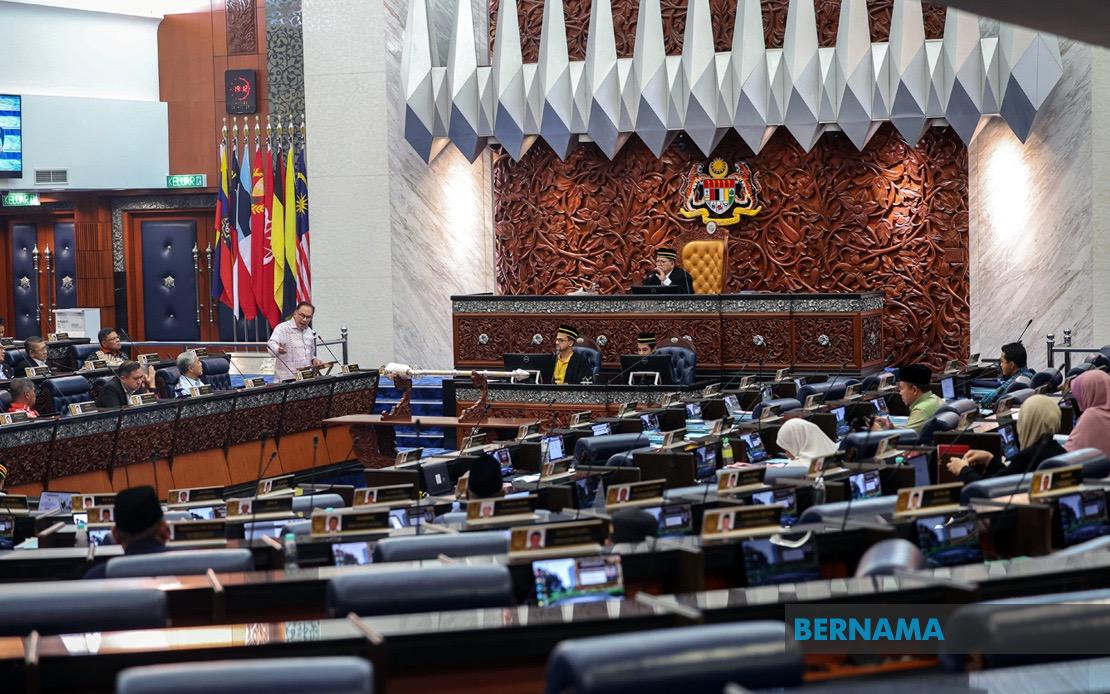
Malaysia's parliament has thrown its weight behind a push to fundamentally reshape how the country tackles sexual crimes targeting children, with lawmakers from across the political spectrum endorsing the Sexual Offences Against Children (Amendment) Bill 2026 while advancing concrete suggestions to close enforcement gaps that currently hamper investigations and prosecutions.
During parliamentary debate on June 29, representatives highlighted a critical vulnerability in Malaysia's existing legal architecture: the ability of offenders to exploit jurisdictional boundaries by committing crimes against Malaysian children from foreign soil while evading accountability. This concern underscores a troubling reality in Southeast Asia, where porous borders and varying legal standards create opportunities for predatory networks to operate with relative impunity across the region.
Abd Ghani Ahmad from Perikatan Nasional raised the necessity of leveraging Malaysia's international legal tools more aggressively, particularly through the Mutual Legal Assistance mechanism and extradition agreements. By strengthening these frameworks, he argued, the country can pursue offenders regardless of where they operate, sending a powerful deterrent message that Malaysian children receive protection beyond national borders. This approach aligns with global best practices, though implementing it requires sustained diplomatic engagement and resource commitments that many Southeast Asian nations struggle to maintain.
The current enforcement landscape reveals significant coordination failures among agencies responsible for child protection. Abd Ghani Ahmad emphasized that the Royal Malaysia Police, Immigration Department of Malaysia, Attorney-General's Chambers, Department of Social Welfare, hospitals, and educational institutions operate in isolation rather than as an integrated system. This fragmentation means critical evidence gets lost, investigations stall, and digital trails—often central to modern child exploitation cases—deteriorate before proper preservation protocols activate. Streamlining these relationships demands systemic reform, not merely policy adjustments.
Datuk Seri Doris Sophia Brodi proposed establishing a dedicated task force specifically addressing digital sexual crimes against children, recognizing that online exploitation has fundamentally transformed how predators identify, groom, and abuse victims. The digital dimension presents unique investigative challenges: evidence exists on servers across multiple jurisdictions, perpetrators may never meet victims physically, and the speed of digital communication outpaces traditional law enforcement response times. Her recommendation for intensified digital safety education in schools addresses the prevention side, acknowledging that empowering children and parents to recognize grooming behaviours represents a critical first line of defense.
Victim support emerged as a pivotal theme throughout the debate, reflecting growing recognition that punishment alone fails to address the lasting trauma survivors endure. Datuk Mas Ermieyati Samsudin outlined a comprehensive victim-centered approach encompassing psychological counselling, financial assistance, identity protection, and long-term recovery services. She further proposed creating a dedicated prosecution unit exclusively handling child sexual offences, staffed by specialists trained in both legal complexities and trauma-informed practices. Additionally, she advocated for expanding public sector capacity in child psychology expertise, a field currently undersupplied across Malaysia's institutions.
The psychological dimension of victim care cannot be overstated. Survivors of child sexual abuse frequently experience complex trauma requiring years of specialized therapeutic intervention. Without adequate funding mechanisms, many families cannot afford private counselling, leaving children to manage their injuries internally with lasting developmental consequences. The proposal for a dedicated victim support fund represents acknowledgment that survivor recovery constitutes a legitimate public investment comparable to prosecution infrastructure.
RSN Rayer highlighted the necessity of bolstering domestic investigative capacity by expanding teams dedicated exclusively to child sexual crime cases. Current staffing levels typically require officers to juggle these investigations alongside general crime duties, inevitably deprioritizing complex cases that demand sustained focus and specialized training. Young Syefura Othman advanced the idea of a National Child Sexual Offender Registry modifiable by law enforcement and child-serving institutions, coupled with mandatory background screening for all individuals working with children across schools, religious centres, sports organizations, and welfare facilities. Such registries exist in several Commonwealth jurisdictions and have demonstrably reduced recidivism by restricting offenders' access to vulnerable populations.
The amendment to the Sexual Offences Against Children Act 2017 directly confronts Malaysia's jurisdictional limitations, ensuring perpetrators cannot exploit legal grey zones by committing offences beyond territorial boundaries while evading prosecution. This expansion of extraterritorial reach brings Malaysian law into closer alignment with international standards, though implementation will require training prosecutors in handling transnational evidence and coordinating with foreign law enforcement agencies.
The debate's cross-partisan support signals political consensus on child protection, a rare point of agreement in Malaysia's polarized legislative environment. This consensus strengthens the amendment's passage prospects and potentially creates momentum for implementing the various proposals raised. Twenty-six MPs participated in the discussion, suggesting substantive engagement with the issue rather than perfunctory posturing.
For Southeast Asia more broadly, Malaysia's legislative movement carries significance. The region struggles with inadequate legal frameworks and enforcement capacity addressing child exploitation, particularly as digital technologies enable predators to operate transnationally. Malaysia's willingness to strengthen both substantive law and institutional mechanisms sets a precedent that could influence neighbouring jurisdictions similarly grappling with these challenges.
Implementation represents the critical juncture ahead. Legislative changes mean little without corresponding budget allocations, training programmes, and inter-agency coordination protocols. The recommendations advanced—specialized prosecution units, victim support funds, expanded investigative teams, digital crime task forces, and offender registries—require sustained political commitment and financial investment extending beyond the current parliamentary session. How effectively Malaysia translates these proposals into operational reality will determine whether the amendment represents genuine institutional reform or symbolic legislative action.

