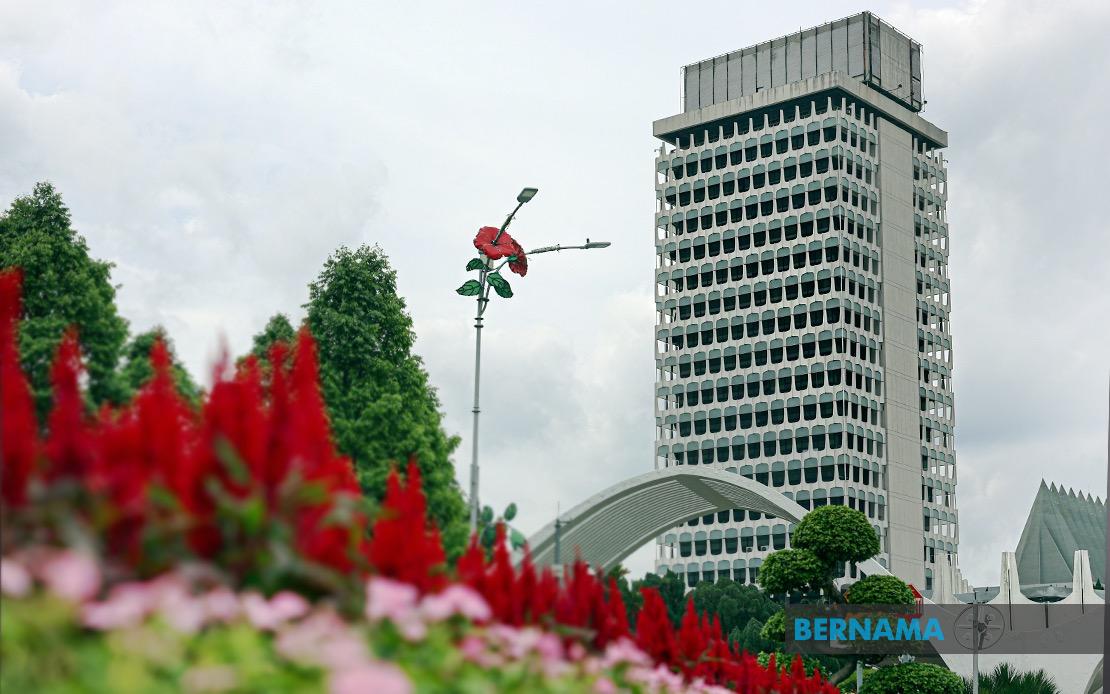
Lawmakers spanning the political spectrum converged in Parliament on August 11 to demand expedited amendments to the Tabung Haji Act 1995, viewing legislative overhaul as essential to implementing findings from a Royal Commission of Inquiry that exposed systemic governance failures at the Islamic pilgrimage fund. The urgency reflects deep concern that without binding legal constraints, TH risks repeating the financial and operational missteps that prompted the inquiry into the institution's tumultuous 2014-2020 period.
The RCI report, released publicly on July 29, laid bare institutional vulnerabilities spanning mismanagement and operational dysfunction. Parliamentary debate centred on one pivotal weakness: Section 10 of the 1995 Act, which grants the Minister sweeping authority to issue general directions to TH leadership. Proponents of reform argue this provision has become a conduit for political meddling, allowing successive governments to bend the fund's operations toward partisan interests rather than fiduciary duty to the millions of Malaysian Muslims who have deposited their life savings for the hajj pilgrimage.
Datuk Shahelmey Yahya from Putatan, speaking for the Barisan Nasional coalition, articulated the core argument animating cross-party concern. The concentration of ministerial power embedded in Section 10 has directly contributed to institutional failure, he contended, preventing TH from achieving operational excellence when political calculations intrude into investment decisions and strategic planning. Abolishing this power—transferring decision-making authority exclusively to an independent board—would fundamentally reorient TH's culture toward corporate ethics and institutional self-interest rather than external political pressures.
The appointment process for the TH Board of Directors emerged as the second critical battleground. Multiple MPs emphasised that board members and leadership must be selected through transparent, merit-based mechanisms insulated from executive interference. This shift would address a core vulnerability exposed by the RCI: that politically-connected appointees often lacked the financial expertise and independence to provide rigorous oversight of management decisions. Syed Saddiq Syed Abdul Rahman, representing the reform-minded MUDA party from Muar, crystallised the argument by calling for statutory institutionalisation of an appointment protocol, ensuring no future political government could revert to patronage-driven recruitment.
Tan Sri Muhyiddin Yassin, Perikatan Nasional leader from Pagoh, broadened the reform agenda beyond mere structural amendments. He urged comprehensive implementation of all 25 RCI recommendations, including enhanced regulatory oversight by Bank Negara Malaysia, establishment of an independent investment committee vested with genuine authority to scrutinise fund allocations, and systematic restructuring of TH's investment portfolio to align with Syariah principles and prudent financial management. By July 30, TH management had reportedly implemented 75 per cent of recommendations, yet without legislative backbone, these operational reforms risk reversal under future administrations.
Mohamad Shafizan Kepli from Batang Lupar underscored the human dimension animating lawmakers' concern. Ordinary Malaysians—many from modest economic circumstances—have accumulated savings across years or decades specifically to fulfil the hajj obligation. When governance weaknesses translate into institutional financial distress, ordinary depositors bear the consequences. This framing transformed the debate from abstract institutional reform into tangible protection of citizen welfare, lending moral urgency to legislative action that might otherwise languish in parliamentary procedure.
The RCI's recommendation that the Act be amended to restrict active politicians from board membership and subsidiary directorships drew particular attention. Several lawmakers, including Datuk Azman Nasrudin and Datuk Seri Hasni Mohammad, highlighted how such conflicts of interest create perverse incentives: board members serving dual roles as political operatives face pressure to subordinate fiduciary obligations to partisan advantage. Tightening eligibility criteria and mandating cooling-off periods between political office and TH appointment would insulate decision-making from political calendars and electoral calculations.
The parliamentary consensus transcended factional divides, with government members, opposition representatives, and members from newer political formations all endorsing reform momentum. This rare alignment reflects recognition that TH's travails carry political risk for any government, rendering bipartisan support for structural safeguards rational across party lines. Young Syefura Othman from the Pakatan Harapan opposition urged swift action, while BN and PN members echoed urgency, suggesting legislative drafting should commence immediately rather than languishing in ministerial committees.
For Malaysian investors and pilgrims, the parliamentary intervention signals potential turning point. TH oversees approximately RM70 billion in depositor funds, making it one of the nation's largest financial repositories. Governance failures that reduce returns or, worse, trigger liquidity crises affect millions of ordinary households planning religious obligations. The RCI's forensic examination of 2014-2020 decisions—including problematic real estate investments and related-party transactions—has mobilised political will to erect institutional barriers against repetition.
Implementation timelines remain uncertain despite rhetorical urgency. Legal drafting of Act amendments typically requires months; parliamentary passage depends on government scheduling and potential opposition amendment negotiations. Malaysia's recent history suggests reform momentum can dissipate if not translated into legislative bills within weeks. Yet the convergence of political will across coalitions suggests that blocking or indefinitely delaying amendments would carry reputational costs for any government, particularly given public awareness following the publicised RCI report.
The broader Southeast Asian context adds interpretive weight. Islamically-mandated savings vehicles operate across the region, yet governance failures at TH provide cautionary precedent. Regional policymakers and religious scholars are monitoring whether Malaysia institutionalises solutions that insulate faith-based financial instruments from political capture. Successful reform would demonstrate that Islamic finance frameworks can operate independently of state apparatus while remaining aligned with Syariah principles and regulatory oversight.
Beyond TH specifically, parliamentary debate signalled growing legislative assertiveness regarding executive ministerial powers. The Section 10 debate reflects broader regional tension between presidentialist governance models and parliamentary constraints on ministerial discretion. Malaysian MPs used the TH debate to articulate principles applicable beyond pilgrimage funds—that statutory bodies require legal autonomy from ministerial direction to function effectively, particularly when entrusted with citizen assets and fiduciary obligations. This interpretive move positions the coming legislative reform as emblematic of parliamentary reassertion against executive concentration.
The RCI report itself functions as political capital that reform advocates will deploy to overcome bureaucratic inertia and potential resistance from officials accustomed to wielding ministerial authority over TH. Public availability of the 25 recommendations—and tracking mechanisms showing 75 per cent implementation—creates accountability mechanisms that MPs can invoke during legislative debates, preventing government from quietly shelving reform proposals. In this sense, the parliamentary sitting represented not culmination but commencement of a sustained legislative process designed to translate inquiry findings into binding legal architecture.

