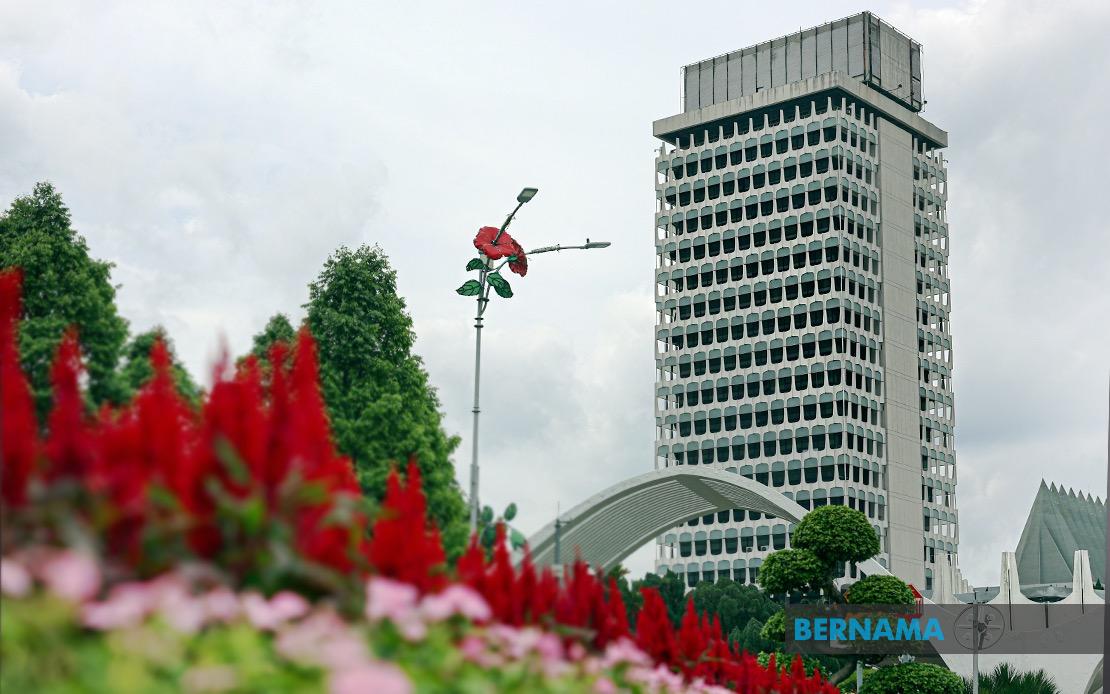
Parliament reconvened on July 16 to scrutinise several pressing national concerns, with lawmakers poised to probe the administration's contingency strategies against the looming El Niño phenomenon, investigate a dangerous incident within military training operations, and assess efforts to contain the proliferation of unauthorised religious teachings. The parliament's agenda reflects growing anxieties about interconnected challenges spanning agriculture, security and social cohesion that threaten Malaysian stability across multiple fronts.
The threat posed by El Niño weather patterns has emerged as a critical focus for agricultural policymakers, with particular emphasis on food security implications. Bakti Jamaluddin from Tangga Batu raised parliamentary queries concerning the ministry's comprehensive approach to mitigating potential harvest disruptions. The questioning centred on irrigation infrastructure resilience, paddy field productivity forecasts, and national provisions sufficiency during periods of erratic precipitation. Lawmakers sought clarification on whether existing water management systems possess adequate redundancy to sustain livestock operations and commodity production when meteorological conditions deteriorate. For Malaysia's agricultural communities, particularly rice farmers whose livelihoods depend on predictable water availability, such parliamentary scrutiny carries tangible economic weight. El Niño episodes historically compress growing seasons and deplete soil moisture reserves, necessitating proactive governmental intervention through infrastructure investment and crop diversification programmes.
The examination of a hand grenade detonation incident occurring during Malaysian Armed Forces training exercises prompted Defence Ministry accountability. Datuk Mohd Isam Mohd Isa demanded transparency regarding the explosion's precipitating factors and whether systemic safety procedures had proven inadequate. The inquiry extended beyond mere incident investigation to encompass broader military safety governance, with particular attention to whether training standard operating procedures required comprehensive overhaul. Such explosions, even during routine exercises, raise uncomfortable questions about equipment maintenance protocols, personnel competency verification, and whether cost constraints have compromised operational safety standards. For Southeast Asia's defence observers, the incident underscores persistent vulnerabilities within training environments where marginal oversight failures cascade into catastrophic consequences. The parliamentary examination therefore represented more than retrospective analysis; it signified institutional pressure for preventative mechanisms capable of anticipating hazardous scenarios before personnel casualties occur.
Kuala Lumpur's administrative restructuring emerged as another parliamentary consideration, with questions directed toward the Prime Minister regarding Kuala Lumpur City Hall's governance transformation. Tan Kok Wai sought elaboration on implementation strategies flowing from the Federal Capital Act 1960 feasibility evaluation, with particular emphasis on integrity enhancement, service delivery standardisation, and administrative transparency improvements. This inquiry reflects broader aspirations for metropolitan governance modernisation within Malaysia's federal system. City administration directly influences millions of residents' daily experiences through infrastructure maintenance, licensing efficiency, and regulatory consistency. Parliamentary oversight of governance reforms demonstrates commitment to ensuring that urban management evolution translates into palpable service improvements rather than remaining merely bureaucratic reorganisation.
Religious extremism containment strategies command heightened parliamentary attention amid societal concerns regarding doctrinal deviation. Sabri Aziz from Jerai requested comprehensive briefings on government interventions targeting those susceptible to heterodox Islamic teachings. The questioning probed intervention methodologies, particularly rehabilitation frameworks designed to redirect individuals away from extremist theology toward mainstream Islamic jurisprudence. Malaysia's multicultural fabric depends substantially on religious harmony and mainstream Islamic institutional credibility. When deviant teachings gain traction, they risk fracturing social cohesion and potentially radicalising vulnerable populations. Parliamentary examination of intervention effectiveness therefore addresses fundamental national stability questions transcending routine legislative business.
Public health concerns regarding non-communicable disease proliferation, particularly among younger demographics, occupied parliamentary attention through questioning directed at the Health Ministry. Datuk Dr Richard Rapu sought epidemiological data spanning 2024 through 2026, with specific focus on diabetes and hypertension incidence among those below age 30. This age demographic's vulnerability to metabolic disorders represents a troubling public health trajectory, potentially reflecting dietary pattern shifts toward processed foods, reduced physical activity, and stress-related physiological changes. The inquiry extended toward evaluating the War on Sugar campaign's effectiveness and whether sugar taxation mechanisms successfully influenced consumer behaviour. For Malaysian healthcare planners, this parliamentary scrutiny signals urgent necessity to reassess preventative medicine approaches, particularly among youth populations unlikely to experience acute health consequences from contemporary dietary patterns but facing substantial long-term disease burdens.
The National Trust Fund Bill 2026 scheduled for second reading represented legislative progression on governance mechanisms designed to ensure institutional financial sustainability. This bill's parliamentary passage would establish frameworks for resource allocation and fiduciary responsibility across designated sectors, potentially addressing long-standing concerns regarding transparency in public fund management and inter-generational equity. The Finance Ministry's sponsorship of this legislation reflects administrative commitment to contemporary governance standards emphasising accountability and strategic resource planning.
Parliamentary sittings spanning multiple days with comprehensive questioning schedules demonstrate institutional vigilance across security, agricultural, health and administrative dimensions. The breadth of parliamentary inquiry reflects Malaysian governance systems' capacity to address simultaneous crises demanding executive attention and resource allocation. For regional observers, this parliamentary session illustrated how Westminster-style legislative bodies maintain oversight mechanisms despite competing policy pressures and budgetary constraints. The coincidence of El Niño preparedness scrutiny alongside defence safety inquiries and religious extremism evaluations underscores Malaysia's multifaceted policy challenges requiring coordinated governmental responses spanning environmental, security and social cohesion domains.

