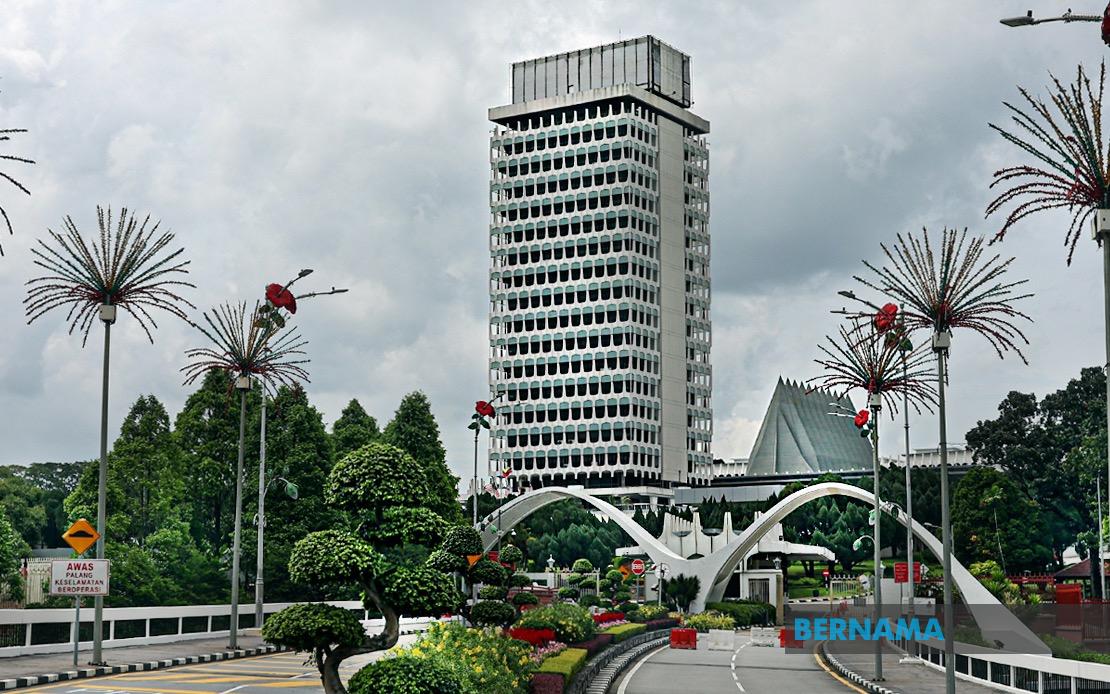
Parliament's lower house will focus on two pressing national concerns when it convenes today: the ripple effects of the Middle Eastern crisis on Malaysia's tourism industry and the capacity of border security forces to tackle organised smuggling operations. These topics reflect growing anxiety about the country's economic resilience and territorial integrity, particularly in strategically sensitive regions.
Dr Ahmad Fakhruddin Fakhrurazi from PN-Kuala Kedah will press the Tourism, Arts and Culture Minister for a comprehensive assessment of how the West Asian conflict has reshaped visitor patterns across key source markets. The query zeroes in on three critical regions—the Middle East, Europe, and West Asia itself—reflecting Malaysia's heavy dependence on tourists from these areas. The question signals legislative concern that the ongoing tensions may be inflicting lasting damage on Malaysia's post-pandemic tourism recovery, which had been showing considerable momentum before geopolitical tremors began undermining travel confidence and insurance costs.
The government will be asked to articulate its counter-strategy for sustaining sectoral growth despite external headwinds. This is particularly sensitive given that tourism constitutes a vital foreign exchange earner and employment generator, especially in urban centres and island destinations. The Ministry's response is expected to outline both immediate stabilisation measures and longer-term diversification efforts—perhaps tilting promotional budgets toward less volatile Asian markets or emphasising Malaysia's position as a safe, culturally moderate destination in a volatile region.
Simultaneously, Datuk Mohd Suhaimi Abdullah representing PN-Langkawi will challenge the Home Minister on the readiness of security forces deployed to Langkawi to counter migrant trafficking and smuggling. The island's proximity to the Malaysia-Thailand maritime boundary has rendered it increasingly attractive to human smuggling networks exploiting refugee flows and regional instability. The query probes whether current asset levels and personnel strength are adequate, a question that hints at potential gaps in enforcement capability along one of Southeast Asia's busier clandestine transit routes.
The Langkawi line of questioning also addresses the application and deployment of unmanned aerial vehicle technology for maritime surveillance. Drone assets represent a relatively cost-effective technological solution to monitor territorial waters and intercept small vessels engaged in illicit activities. The Home Minister will face pressure to explain delays or barriers to wider UAV adoption, particularly given successful applications elsewhere in the region and the escalating sophistication of smuggling operations that outpace conventional patrol boats and personnel.
Manndzri Nasib, representing BN-Tenggara, will shift focus to environmental and wildlife management by scrutinising the effectiveness of Ecological Fiscal Transfer funds channelled toward reducing human-elephant conflict. This reflects mounting tensions in peninsular Malaysia's forest-adjacent communities where expanding elephant populations and agricultural expansion have created genuine safety hazards. The question seeks evidence of whether additional fiscal transfers and PERHILITAN-led community programmes are translating into measurable reductions in incidents or casualties.
The Environmental Sustainability Minister will also be expected to detail coordination mechanisms for expanding Electric Fencing for Elephants (SPEG) deployment, a proven but resource-intensive mitigation technology. The inquiry underscores frustration that multiple government initiatives on this issue have proceeded without sufficient inter-agency synchronisation, leaving vulnerable communities uncertain whether their protection is being systematically enhanced. The answer will likely reveal whether the ministry views SPEG expansion as a budgetary priority or a longer-term aspiration.
A fourth parliamentary question from Datuk Willie anak Mongin targeting the Housing and Local Government Minister represents another angle of concern: affordable housing accessibility for young Malaysians. The inquiry demands state-by-state and constituency-level data on unsold affordable units and actual ownership rates among under-35s. This question reflects mounting public anxiety that despite government affordable housing schemes, the reality of youth home ownership remains distant for many, possibly indicating a mismatch between supply and genuine affordability thresholds or persistent obstacles in the purchase pathway.
Beyond oral questions, Parliament will advance two significant bills during today's sitting. The Sexual Offences against Children (Amendment) Bill 2026 signals legislative intent to strengthen protections and criminal sanctions in response to evolving threats to minors. The Employment Insurance System (Amendment) Bill 2025 suggests adjustments to worker protections and benefit structures, likely reflecting lessons from economic disruptions and shifts in workforce composition and vulnerability patterns.
The current parliamentary session extends through July 16, providing a 16-day window for legislative business and scrutiny. The concentration of questions on tourism vulnerability, border security deficiencies, wildlife management shortcomings, and housing accessibility challenges paints a portrait of a government facing multifaceted pressures. These issues resonate beyond Parliament's walls—they touch economic resilience, personal safety, environmental stability, and household aspirations across Malaysia's diverse communities. The quality and credibility of ministerial responses will significantly influence public confidence in the government's capacity to manage these interconnected challenges effectively.

