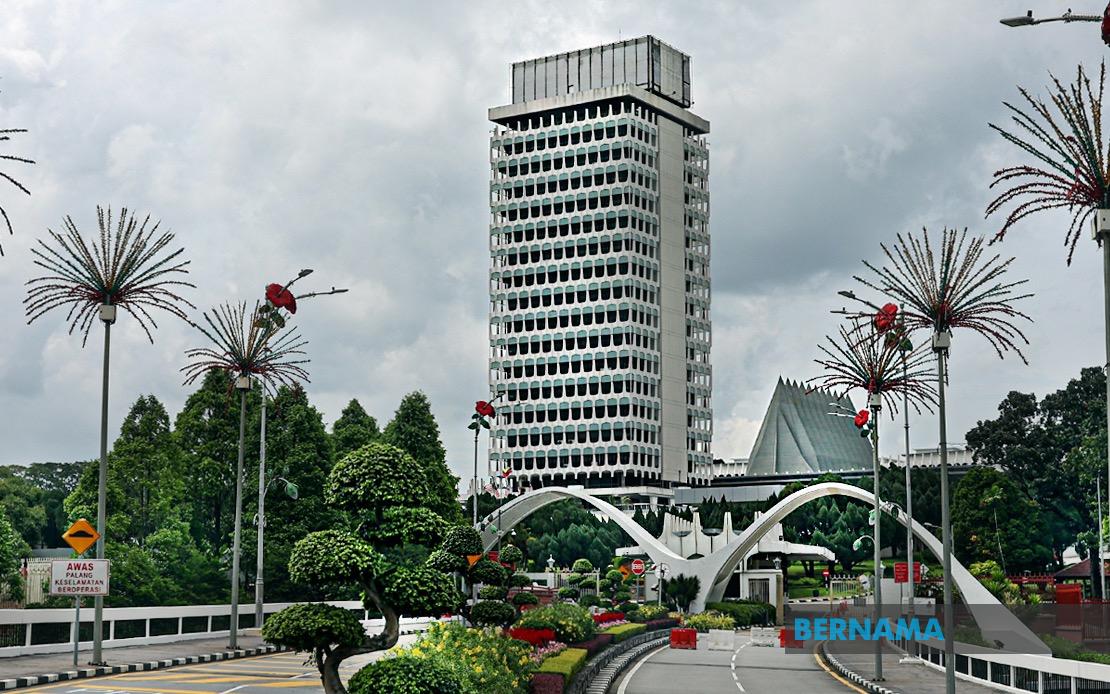
The Dewan Rakyat commenced its sitting today with several substantive policy matters commanding parliamentary attention, most notably the proposed financing structure for the East Coast Expressway Phase 3 and escalating concerns over the proliferation of vaping products among young Malaysians. The parliamentary agenda reflects growing anxiety within government ranks about infrastructure projects and public health challenges that demand legislative scrutiny and ministerial accountability.
The LPT3 implementation through a public-private partnership arrangement has emerged as a significant infrastructure undertaking requiring parliamentary oversight. Wan Hassan Mohd Ramli, the PN representative for Dungun, will press the Works Minister for clarity on the administration's strategic rationale for selecting the PPP model over conventional funding mechanisms. Critically, lawmakers are seeking transparency regarding how this partnership structure will influence toll pricing for users, a matter of substantial public concern given Malaysia's existing toll burden on the East Coast corridor and neighbouring regions. The implementation timeline also requires clarification, as delays in expressway completion have historically impacted trade and tourism flows throughout Peninsular Malaysia, particularly affecting movement between Terengganu and Pahang and onward connectivity to other states.
The PPP model represents a significant departure in how Malaysia finances major transport infrastructure. Unlike traditional government-funded approaches, PPP arrangements typically involve private sector capital and operational expertise, though they frequently incorporate toll mechanisms to sustain revenue streams for investors and service providers. For Malaysian commuters and businesses, understanding the long-term cost implications remains essential. Parliamentary inquiry into this mechanism signals recognition that citizens deserve transparent debate about public-private collaboration, particularly when infrastructure users will bear financial responsibility through toll charges.
Concurrently, the vaping crisis among Malaysian youth has escalated into a pressing public health and law enforcement priority. Datuk Mas Ermieyati Samsudin of Masjid Tanah will interrogate the Home Minister regarding enforcement strategies targeting syndicates that deliberately market harmful vape products to schoolchildren and adolescents. This inquiry reflects mounting alarm among policymakers and parents about nicotine addiction spreading through educational institutions and communities, creating dependencies that compromise cognitive development and academic performance during critical formative years.
The vape enforcement question underscores the government's determination to dismantle distribution networks profiting from youth vulnerability. Syndicates operating in this space deliberately exploit young consumers' susceptibility to peer pressure and marketing narratives about harm reduction, despite accumulating evidence that vaping poses significant respiratory and neurological risks. Stricter enforcement measures may encompass expanded surveillance of retail outlets, enhanced penalties for distributors caught targeting minors, and coordinated operations between police and customs authorities to intercept smuggled products entering Malaysian ports and borders.
Beyond these primary matters, parliamentary proceedings will address immigration processing inefficiencies at Malaysia's entry points. P. Prabakaran from Batu will query the Home Minister on congestion management at border crossings, seeking clarification on initiatives designed to accelerate immigration clearance without compromising security screening. This concern gains particular relevance as Malaysia seeks to position itself as a competitive travel and business destination within Southeast Asia, where slow border processing can deter international visitors and complicate cross-border commerce essential to regional economic integration.
Healthcare system capacity also features prominently in today's parliamentary agenda. Salamiah Mohd Nor representing Temerloh will ask the Health Minister to assess the tangible effectiveness of digital health infrastructure, particularly MySejahtera and electronic health record systems, in alleviating overcrowding within government hospital facilities. These digital platforms theoretically enable better patient flow management, appointment scheduling, and clinical data accessibility, yet parliamentary examination suggests uncertainty about whether technological implementation has translated into measurable reductions in patient waiting times and systemic congestion that characterise many public healthcare facilities nationwide.
The parliament's 16-day session, running through July 16, will culminate with winding-up debate regarding the 2024 Annual Report and Financial Statements of the Human Rights Commission of Malaysia, known as SUHAKAM. This discussion permits parliamentary scrutiny of human rights governance, institutional effectiveness, and budgetary allocation within Malaysia's dedicated human rights body, enabling legislators to assess whether SUHAKAM's activities align with its mandate to investigate complaints and promote rights awareness across the population.
These parliamentary matters collectively illuminate pressing governance challenges confronting Malaysia: infrastructure financing sustainability, youth protection from commercial exploitation, border management efficiency, and healthcare delivery capacity. The questions raised by various parliamentarians from different coalitions suggest cross-party recognition that these issues demand executive accountability and policy clarification. Parliamentary debate on such issues provides platforms for detailed examination that press releases and ministerial statements cannot replicate, enabling legislators to extract specificity about implementation timelines, resource allocation, and performance metrics from government officials responsible for policy execution. For Malaysian citizens, particularly those affected by toll structures, youth protection advocates, and individuals navigating immigration processes or public healthcare systems, these parliamentary proceedings represent formal mechanisms through which their interests receive legislative consideration and ministerial response.

