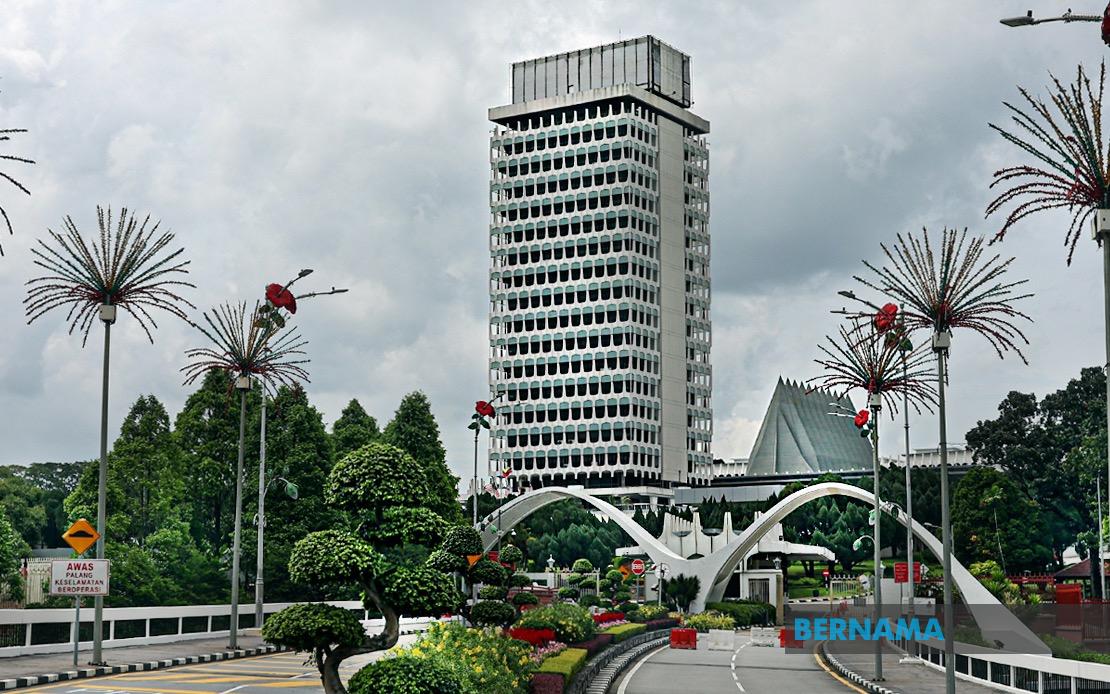
The Dewan Rakyat sitting on June 24 will bring three significant policy matters into parliamentary scrutiny, reflecting ongoing concerns about resource management, consumer protection, and digital regulation in Malaysia. Questions scheduled during Question Time reveal government priorities spanning infrastructure investment, market competition, and the complex challenge of protecting young people online while respecting privacy rights.
Water scarcity remains a pressing issue for Johor, which has faced recurring supply disruptions affecting millions of residents and industrial operations across the state and neighbouring regions. Suhaizan Kaiat, the Pulai representative from Pakatan Harapan, will press the Energy Transition and Water Transformation Minister on the government's comprehensive strategy for expanding Johor's water resource capacity. The question specifically targets three development pillars: construction of new dams to capture and store additional water during wet seasons, expansion of water treatment plant infrastructure to improve processing capacity, and crucially, the adoption of recycled water systems to reduce dependency on natural sources. This multi-pronged approach reflects international best practice in water management, where diversified supply sources provide resilience against droughts and population growth. For a state that supplies water beyond its borders and faces mounting demand from urban expansion, industrial growth, and agricultural needs, the government's long-term vision will be closely watched by policymakers across Southeast Asia grappling with similar challenges.
Housing affordability has emerged as a flashpoint in Malaysian politics, with consumers increasingly concerned about pricing practices in the residential market. Datuk Seri Ismail Abd. Muttalib from Perikatan Nasional, representing Maran, will question whether the Domestic Trade and Cost of Living Ministry has equipped the Malaysia Competition Commission with sufficient authority and resources to monitor housing developers' pricing strategies. His inquiry probes how effectively MyCC investigates potential anti-competitive conduct, particularly price-fixing arrangements and market manipulation tactics that might artificially inflate residential property costs. The distinction matters significantly: while price-fixing involves competitors colluding to set prices at artificially high levels, market manipulation could encompass exclusive dealing, tied selling, or predatory practices that reduce consumer choice. MyCC's capacity to investigate and prosecute such violations determines whether ordinary Malaysians can access housing at competitive rates or face a market distorted by unlawful practices.
The competition watchdog's role has expanded considerably as the government attempts to address the affordability crisis through enforcement rather than price controls. However, questions persist about whether MyCC possesses adequate staffing, technical expertise in forensic economics, and legal authority to pursue cases in the notoriously complex housing sector where global investment, development financing, and local regulation intersect. The parliamentary question may signal government recognition that strengthening market surveillance and investigation capacity requires dedicated resources and institutional support. This reflects a broader regional trend toward using competition law as a consumer protection tool in markets where traditional regulation has proven ineffective.
Digital regulation presents perhaps the most complex policy challenge being raised at this sitting. Syahredzan Johan, the Bangi representative from Pakatan Harapan, will probe the Communications Ministry's intentions behind mandatory age verification for social media accounts, an initiative that intersects child safety, data protection, and free speech concerns. His specific questions address a critical tension: how can platforms implement age verification to prevent minors from accessing age-inappropriate content without collecting excessive personal data that could expose users to privacy breaches or surveillance risks?
Age verification mechanisms typically require users to provide identification documents or biometric data—sensitive information that creates new vulnerabilities if mishandled. Syahredzan's emphasis on limiting data collection to "proportionate personal data attributes" reflects the principle of data minimization embedded in Malaysia's Personal Data Protection Act. Equally important is his question about mandatory deletion once age verification is complete, preventing social media companies from repurposing personal information for other commercial purposes such as targeted advertising or behavioural profiling. This distinction between using data for its stated purpose and retaining it for secondary exploitation defines the practical difference between privacy-respecting regulation and mass surveillance disguised as child protection.
Implementing age verification at scale across licensed service providers operating in Malaysia raises jurisdictional questions as well. Many major platforms are foreign-owned entities with limited physical presence in Malaysia, complicating enforcement and data sovereignty issues. The Communications Ministry must clarify whether age verification will apply uniformly to all platforms or whether certain applications—such as educational, health, or government services—will be exempt. The approach to licensed service providers suggests the government contemplates a regulatory framework designating certain platforms as essential services subject to specific obligations, a model gaining traction in the European Union but untested in the Malaysian context.
The 16-day parliamentary session lasting until July 16 provides time for extensive debate on these interconnected policy areas. Water infrastructure investment signals government commitment to long-term resource planning despite fiscal constraints. Competition enforcement efforts acknowledge that market mechanisms alone may not deliver affordable housing without regulatory oversight. And digital regulation proposals attempt to balance child protection with individual privacy rights—a challenge no government has yet solved perfectly.
For Malaysian policymakers and observers, these parliamentary questions illuminate government priorities and policy gaps. The specificity of questions asked often reveals which concerns carry sufficient political weight to warrant ministerial response, and the quality of answers indicates whether relevant agencies possess genuine capacity to implement policy commitments. As the region faces water stress, housing affordability pressures, and intense debates over digital regulation, Malaysia's parliamentary responses may influence approaches adopted by other Southeast Asian nations wrestling with identical challenges.

