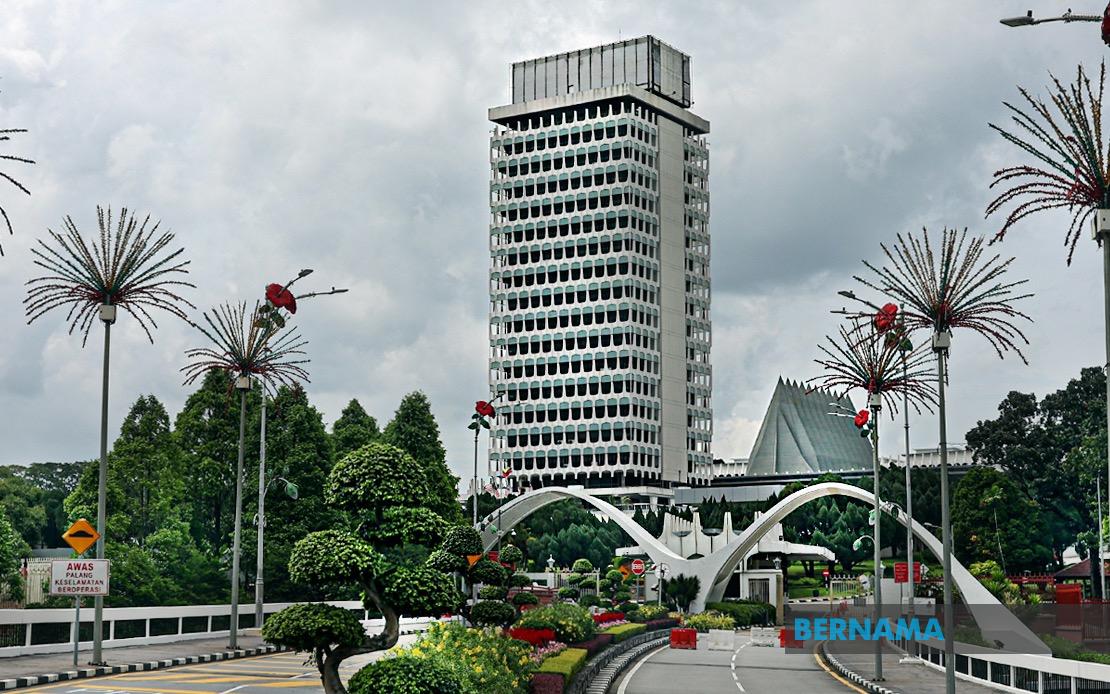
The Malaysian Parliament is set to engage in substantive discussions today spanning energy transition, foreign relations, and digital infrastructure—three pivotal areas shaping the nation's economic and strategic trajectory. The Dewan Rakyat's agenda reflects mounting parliamentary interest in how the government is managing implementation of flagship initiatives while navigating geopolitical complexities and emerging technological challenges that carry implications across Southeast Asia.
Energy policy will occupy significant attention as lawmakers scrutinize the Corporate Renewable Energy Supply Scheme (CRESS), a critical plank of Malaysia's transition away from fossil fuels. Rodziah Ismail, representing Ampang, will press the Minister of Energy Transition and Water Transformation for concrete data on how many industrial participants have enrolled in the programme and the practical pace of rollout. Her questions probe deeper into technical and economic barriers that may be hindering uptake among Malaysia's manufacturing and service sectors, which are essential to achieving the country's decarbonization targets.
Beyond CRESS mechanics, the legislator will interrogate findings from a System Access Charge rate review—a crucial component affecting whether Malaysia can establish itself as a competitive regional data centre hub. Rising operating costs for data centres threaten the viability of this ambition, particularly as neighbouring economies aggressively pursue similar strategies. The inquiry also encompasses the Corporate Green Power Programme and Battery Energy Storage Systems deployment, underscoring the interconnected nature of Malaysia's energy and industrial policy. These elements must align coherently to attract foreign investment and retain domestic competitiveness in the digital economy.
The broader economic fallout from global energy volatility will come under parliamentary microscope through separate questioning by Mohd Syahir Che Sulaiman on behalf of Bachok. He will ask what concrete mitigation measures the National Economic Action Council has deployed as job losses and business contractions ripple through the Malaysian economy. The query reflects legitimate public concern that while global energy uncertainty persists beyond government control, policymakers must demonstrate tangible, measured responses that protect vulnerable employment sectors and SMEs.
Fuel subsidy targeting—traditionally a politically sensitive issue in Malaysia—surfaces through questions from Datuk Seri Hasni Mohammad regarding the rationale for standardizing diesel support via MyKad registration and the adequacy of the 200-litre allocation. This line of questioning suggests ongoing parliamentary debate about the design and equity implications of subsidy mechanisms, particularly for commercial users and transport operators whose livelihoods depend on predictable fuel costs.
Malaysia's approach to Myanmar emerges as a significant foreign policy test. William Leong Jee Keen will press the Foreign Minister on how the Five-Point Consensus—ASEAN's diplomatic framework aimed at stabilizing Myanmar—translates into concrete Malaysian policy positions toward the Myanmar government. The Five-Point Consensus, adopted in April 2021, has faced criticism for limited tangible progress on restoring democratic governance, and Malaysian parliamentarians are evidently keen to understand whether the government's diplomatic stance reflects evolving ground realities or remains locked in cautious multilateralism that frustrates advocates for stronger pressure on Myanmar's military rulers.
Data sovereignty has emerged as a paramount concern for national security and digital self-determination. Datuk Seri Amirudin Shari will question the Digital Minister on mechanisms to harmonize state-level data infrastructure initiatives, specifically citing Selangor's Dark Fiber Network, with federal objectives around data protection and sovereignty. This reflects growing recognition that fragmented digital infrastructure across states creates vulnerabilities and undermines Malaysia's negotiating position in the digital economy. The question also probes whether data sovereignty considerations are embedded within Malaysia's aspiration to become an AI-ready nation by 2030—a target that carries profound implications for governance, surveillance, and technological independence.
Educational standards and religious curriculum design feature through Datuk Idris Ahmad's inquiry to the Prime Minister regarding Islamic Education effectiveness and coordination between federal and state Islamic Religious Councils. This touches on a perennial challenge in Malaysia's federal system: ensuring consistent standards across states while respecting constitutional provisions allocating religious matters to state jurisdiction. Effective Islamic Education curricula are viewed as foundational to community cohesion and socioeconomic mobility, particularly among Malay-Muslim populations.
Constitutional reform and power redistribution in East Malaysia take centre stage through questions from Isnaraissah Munirah Majilis regarding implementation progress on the Malaysia Agreement 1963 (MA63). Her specific request for clarity on timelines for increasing parliamentary representation for Sabah and Sarawak to 35 per cent of nationwide seats reflects enduring political negotiations over federalism and regional equity. These provisions, enshrined in the original founding agreement, remain contested between East Malaysian states and the federal government, with implications for resource allocation and political leverage.
The Public Accounts Committee will provide a substantive briefing on health sector challenges, examining rising private health insurance premiums and hospital charges and their downstream effects on public health outcomes. This inquiry spans responsibility across the Ministry of Health, Ministry of Finance, and Bank Negara Malaysia, signalling recognition that healthcare affordability intersects with monetary policy, fiscal capacity, and regulatory oversight. The briefing offers an opportunity for Parliament to assess whether current regulatory frameworks adequately protect consumers while maintaining financial viability of Malaysia's healthcare ecosystem.
The Prisons Amendment Bill 2026 will resume debate following the morning's questioning sessions, continuing Parliament's legislative calendar. The second meeting of the fifth session extends across 16 days through July 16, providing sustained opportunity for detailed examination of government performance across multiple portfolios. This extended sitting schedule allows for deeper parliamentary scrutiny than shorter sessions permit, potentially raising the quality of oversight and deliberation on complex policy domains affecting Malaysian society and Malaysia's regional standing.

