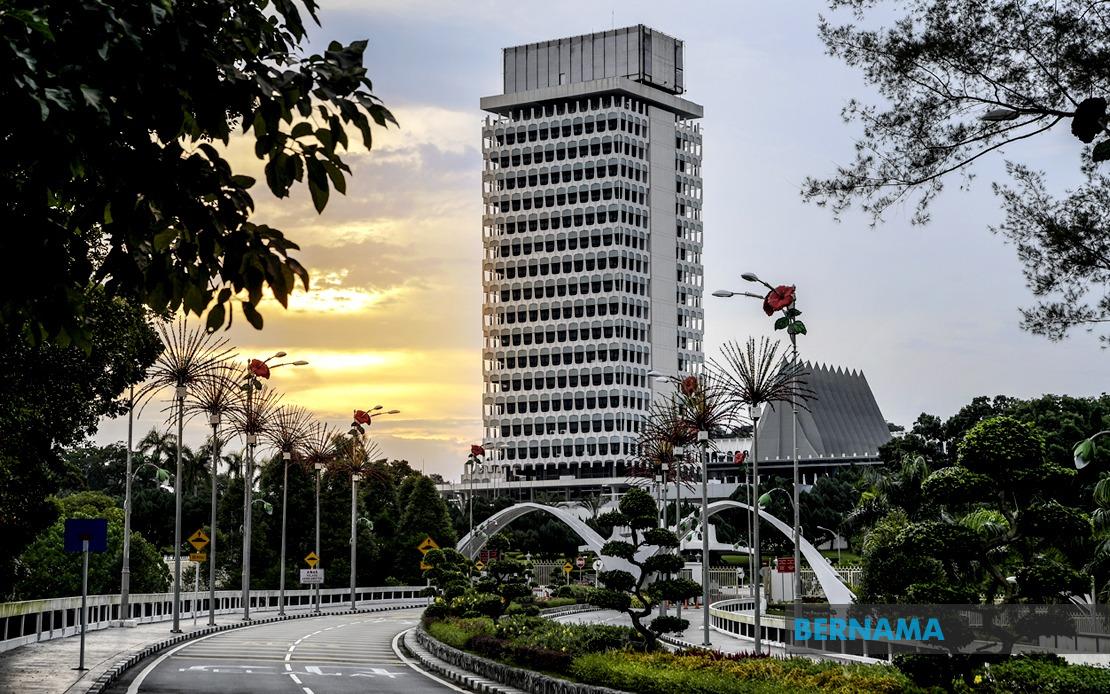
Parliament reconvenes today with a legislative agenda spanning consumer protection, social security, and rural development—reflecting growing public concerns about financial vulnerability as Malaysia faces demographic and economic pressures. The Dewan Rakyat sitting, which runs through July 16 as part of the 15th Parliament's Fifth Session, places particular emphasis on three interconnected challenges: the adequacy of health coverage, the sufficiency of retirement savings, and unequal access to digital infrastructure in underserved communities. Together, these issues underscore mounting anxieties about how ordinary Malaysians will manage healthcare costs, secure their financial futures, and participate in an increasingly digital economy.
Among the day's parliamentary questions, Tan Kok Wai from Cheras will press the Finance Minister to detail government action on insurance regulation strengthening. His focus centres on protecting policyholders—particularly those confronting critical illness and cancer diagnoses—from arbitrary policy cancellations and claim denials that leave families financially devastated. The query also demands clarity on transparency improvements and dispute resolution mechanisms, signalling that current protections are perceived as inadequate. This line of questioning reflects a recurring tension in Malaysia's insurance sector: while the market has expanded, consumer grievances about claim handling and policy interpretation persist, suggesting that regulatory frameworks lag behind evolving market practices and consumer expectations.
The retirement savings question raised by Datuk Seri Aminuddin Harun from Port Dickson addresses a demographic time bomb. With Malaysia projected to become an ageing society by 2030, fewer working-age citizens will support pensioners, while healthcare and long-term care costs escalate. Rising living expenses—from food and utilities to housing—have eroded household purchasing power and reduced the capacity of workers to save beyond mandatory EPF contributions. Aminuddin's enquiry seeks government strategy to bridge this gap, implicitly questioning whether current EPF withdrawal rules, investment returns, and contribution rates position Malaysians adequately for retirement. This concern resonates across the region, where rapid urbanisation, wage stagnation, and inflation have destabilised retirement security for millions of workers.
Rural digital connectivity emerges as another priority, with Hassan Saad questioning the effectiveness of National Information Dissemination Centres in lifting rural socio-economic conditions. Despite government investment in NADI facilities, disparities in internet access, digital literacy, and e-commerce capabilities persist in provincial areas. Small entrepreneurs in these communities remain unable to compete nationally or internationally, perpetuating their marginalisation. The query underscores a paradox: infrastructure exists, yet rural populations struggle to leverage it for genuine economic advancement. This points to a systemic gap between building digital infrastructure and ensuring its usability through training, support services, and market linkages.
Another focus concerns the Mobile eCOSS application introduced in May 2025, which tracks subsidised cooking oil distribution to prevent market leakage and black-market sales. The application's effectiveness will be scrutinised, as subsidised goods remain vulnerable to diversion despite technological oversight mechanisms. Persistent leakages undermine fiscal sustainability and erode programme benefits for intended recipients, a recurring problem in Malaysia's subsidy architecture that demands fresh solutions beyond incremental technological adjustments.
Questions on MSME financing schemes also feature, exploring whether government-backed lending programmes effectively reach small enterprises and translate into genuine business growth. For Malaysia's economy, MSMEs represent employment multipliers and innovation engines, yet access to capital at reasonable terms remains challenging for many operators, particularly outside metropolitan hubs. Parliamentary scrutiny of financing effectiveness highlights ongoing gaps between policy ambition and implementation reality.
Volleyball talent identification programmes form part of the agenda, with Zakri Hassan questioning government efforts to nurture indoor and beach volleyball talent. Sport development programmes matter for national competitiveness and youth engagement, particularly in attracting young people to disciplines that may offer scholarship and professional pathways. The question likely reflects concerns that talent pipelines remain underdeveloped or unevenly distributed across regions.
Beyond question time, Parliament will receive a briefing from the Health Select Committee on reform of the National Organ Donation and Transplant System. This signals movement on a critical healthcare issue where supply chronically lags demand, and families often face agonising choices when transplants become medically necessary. Systemic reform addressing consent mechanisms, donor registration, allocation protocols, and cross-border coordination could substantially improve outcomes.
Parliament will also advance the Competition (Amendment) Bill 2026 and the Competition Commission (Amendment) Bill 2026 through committee and second reading stages. These legislative instruments shape how Malaysia's market competition framework develops, affecting everything from consumer prices to corporate behaviour and startup opportunities. Updated competition laws carry implications for digital markets, where dominant platforms exercise considerable control over commerce and information.
Collectively, today's parliamentary agenda reflects anxieties embedded in Malaysian society: whether social safety nets adequately protect citizens confronting health crises and old age, whether the benefits of economic growth and digital connectivity reach all communities equitably, and whether market institutions function fairly for consumers and small operators. These queries and debates offer snapshots of where public trust may be eroding and where legislative or regulatory action is deemed necessary. For policymakers, the session provides opportunity to address simmering grievances; for citizens watching, it gauges whether Parliament remains responsive to lived difficulties or increasingly detached from them.

