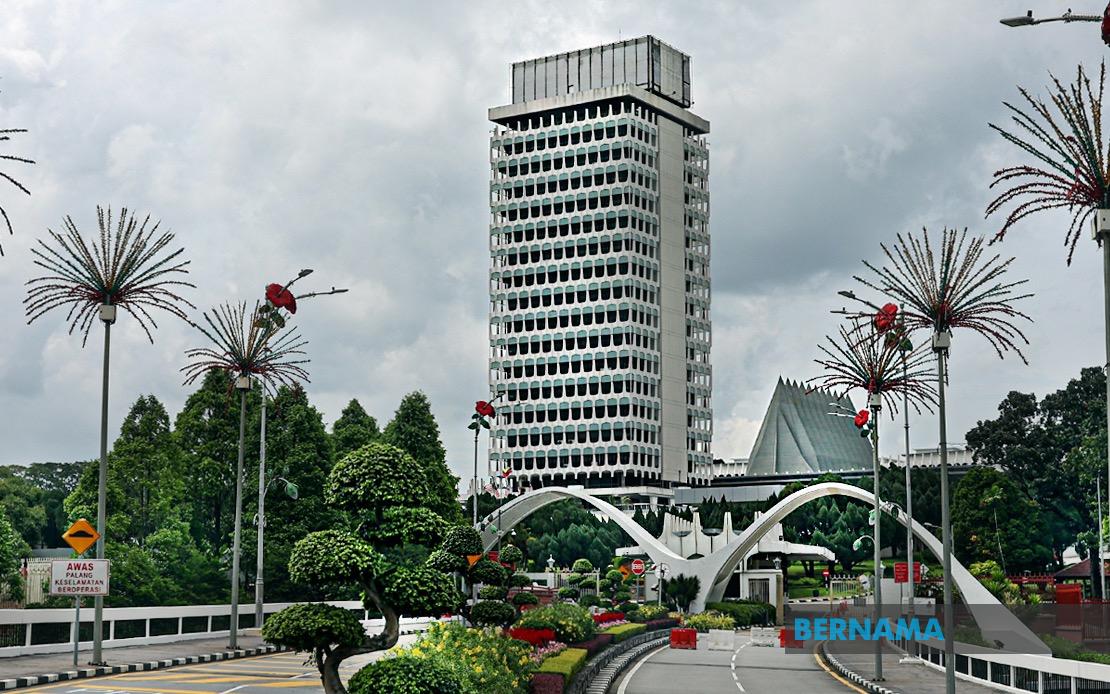
Malaysia's Parliament is preparing to confront several pressing policy questions that reflect broader anxieties within the business community and civil society. On July 7, the Dewan Rakyat convened for Minister's Question Time to scrutinise government responses to interconnected challenges spanning economic development, institutional independence, and social welfare. The parliamentary agenda reveals how frontline practitioners and opposition lawmakers view the effectiveness of current policies in three distinct but equally consequential domains.
The first substantive matter concerns the acute financing predicament affecting Malaysia's vast MSME sector, which constitutes the backbone of employment and economic dynamism across the nation. Lee Chuan How, representing the Pakatan Harapan constituency of Ipoh Timor, posed a direct inquiry to the Prime Minister regarding whether the MADANI Government acknowledges the mounting frustration among MSME proprietors struggling to access credit facilities essential for operational continuity and expansion. This line of questioning strikes at a longstanding structural weakness within Malaysia's financial system—the persistent gap between available capital and the credit needs of smaller enterprises operating outside major urban centres and established corporate networks. Despite numerous government-backed lending schemes and financial inclusion initiatives rolled out over successive administrations, access to affordable financing remains asymmetrical, with many entrepreneurs relegated to predatory lending or forced into underutilisation of productive capacity.
The financing squeeze facing MSMEs carries particular significance for Malaysia's trajectory toward higher-income status and inclusive prosperity. When small businesses cannot obtain working capital at reasonable rates, entire supply chains contract, employment opportunities diminish, and the domestic consumer base weakens. Regional competitors in Vietnam, Thailand, and Indonesia have made concerted efforts to decentralise financial services and reduce collateral requirements for microfinance, strategies Malaysia would benefit from examining more seriously. The parliamentary question signals that this issue has transcended technical discussion within economic policy forums and entered mainstream political consciousness, suggesting potential legislative or programmatic responses in the coming months.
The second critical issue pertains to Malaysia's reputation within the international community of democratic and free societies. Ahmad Fadhli Shaari, representing the Perikatan Nasional constituency of Pasir Mas, raised concerns about Malaysia's deterioration in the 2026 World Press Freedom Index ranking, dropping from 88th position to 95th place. This downward slide merits careful analysis, as it reflects external perceptions regarding the operating environment for journalists, publishers, and media organisations seeking to investigate matters of public interest without undue governmental or commercial interference. A decline in international rankings often signals that foreign observers detect observable restrictions on press activities, increased self-censorship, legal harassment of journalists, or reduced institutional autonomy within broadcast and print sectors.
Media freedom constitutes a foundational element within democratic governance and accountability mechanisms. When press freedom contracts, fewer investigative reports emerge examining official conduct, corporate misconduct, or social injustices. Parliamentary scrutiny itself becomes less effective when journalists cannot independently verify government claims or pursue leads that might reveal implementation failures. For a middle-income nation aspiring to developed-country status, the trajectory of press freedom rankings matters considerably, as foreign investors, international organisations, and diaspora communities often reference such indicators when evaluating stability and institutional quality. The parliamentary inquiry suggests that government backbenchers and opposition figures alike recognise the reputational and practical costs of declining media freedom, even where such concerns might be inconvenient for officials seeking to manage narratives.
Among the additional parliamentary business that morning, Aminolhuda Hassan from the Pakatan Harapan-held seat of Sri Gading advanced a specific welfare proposal designed to improve accessibility for elderly worshippers within mosque and surau facilities across Malaysia. The proposal for a Senior Citizens-Friendly Fund would support physical infrastructure improvements including wheelchair ramps and accessible sanitation facilities, reflecting attentiveness toward demographic shifts within the population and the specific needs of congregants with mobility challenges. This question exemplifies how Parliament addresses granular policy matters affecting quality of life and social participation, even as broader macroeconomic and institutional questions dominate headlines.
The parliamentary session proceeded beyond Minister's Question Time to address the 2024 Annual Report and Financial Statement of the Human Rights Commission of Malaysia, known as SUHAKAM. This agenda item permits Parliament to review the institutional performance, resource allocation, and strategic priorities of Malaysia's independent human rights watchdog. Regular parliamentary scrutiny of SUHAKAM reinforces its position as an accountable institution responsive to Parliament while maintaining investigative independence. The timing and inclusion of SUHAKAM's report within this particular sitting suggests that human rights matters—potentially encompassing freedoms of expression, assembly, and association—feature prominently within the collective legislative consciousness.
Final parliamentary business that day centred on resuming debate surrounding the Constitution (Amendment) (No. 2) Bill 2026, legislation designed to constitutionally separate the roles of Attorney General and Public Prosecutor within Malaysia's judicial architecture. This constitutional restructuring carries profound implications for institutional independence and checks upon prosecutorial discretion. The separation of these traditionally combined roles aims to insulate prosecutorial decision-making from potential political interference while clarifying accountability lines. Malaysia's experience with concentrated prosecutorial authority within the Attorney General's office has occasionally raised concerns regarding selective enforcement or vulnerability to political direction during periods of heightened partisan tension. Parliamentary debate on this constitutional amendment reflects recognition among legislators that structural reforms may strengthen institutional resilience.
Collectively, the parliamentary agenda for July 7 demonstrates Parliament's engagement with economic challenges, democratic institutions, demographic change, and constitutional architecture. These questions emanate from various political constituencies—both government and opposition benches—indicating that concerns regarding MSME access to financing, media freedom, accessibility standards, and prosecutorial independence transcend strict partisan divides. For Malaysian observers, the parliamentary proceedings offer opportunity to assess governmental responsiveness and identify potential policy shifts addressing these interconnected challenges shaping the nation's economic competitiveness and institutional quality.

