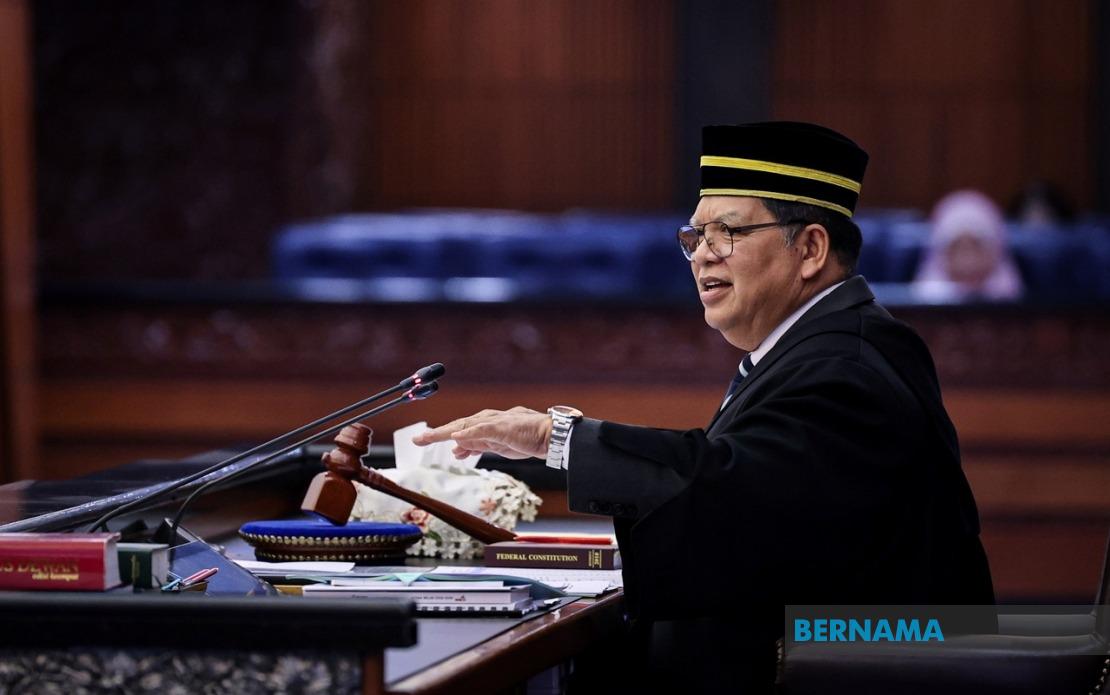
Malaysia's Dewan Rakyat has wrapped up a substantial legislative session spanning 16 sitting days, concluding on July 16 after convening since June 22. The Second Meeting of the Fifth Term of the 15th Parliament achieved significant parliamentary business during this period, with Speaker Tan Sri Dr Johari Abdul highlighting the passage of 13 bills and numerous motions that will reshape Malaysia's regulatory landscape across multiple sectors.
The legislative package reflects government priorities addressing contemporary challenges facing the nation. The Road Transport (Amendment) Bill 2026 aims to modernise Malaysia's transportation framework, while complementary amendments to child protection and cybercrime legislation demonstrate parliamentary responsiveness to evolving social threats. These criminal justice reforms underscore growing recognition among lawmakers that digital-era offences and child safety require updated legal instruments.
Among the measures gaining approval were the Sexual Offences Against Children (Amendment) Bill 2026 and the Cybercrimes Bill 2026, both addressing urgent concerns about vulnerable populations and online security. The digital legislation carries particular significance for Southeast Asia's tech-connected societies, where cybercriminals increasingly exploit cross-border opportunities. Malaysia's updated cybercrimes framework should provide law enforcement with modernised investigative powers and sentencing provisions aligned with the sophistication of contemporary threats.
The competition law reforms also passed during the sitting—specifically the Competition (Amendment) Bill 2026 and the Competition Commission (Amendment) Bill 2026—signal government commitment to maintaining market discipline and protecting consumers. These amendments likely strengthen regulatory oversight of monopolistic practices and anti-competitive conduct, matters of relevance to Malaysia's economy as it navigates regional trade dynamics and foreign investment flows.
Several other bills rounded out the legislative agenda. The Control of Padi and Rice (Amendment) Bill 2026 addresses agricultural regulation in a sector vital to rural communities and food security. The Witness Protection (Amendment) Bill 2026 enhances safeguards for individuals providing testimony in sensitive cases, strengthening the justice system's capacity to investigate serious crimes. The Social Work Profession Bill 2026 establishes professional standards for social workers, reflecting expansion of human services regulation.
Beyond criminal and commercial law, Parliament also approved the Communications and Multimedia (Amendment) Bill 2026 alongside its corresponding Malaysian Communications and Multimedia Commission (Amendment) Bill 2026, modernising broadcasting and digital communications oversight. The National Trust Fund Bill 2026 and Statistics Bill 2026 completed the legislative programme, addressing financial governance and data collection infrastructure respectively.
Parliamentary proceedings during the sitting extended beyond legislative votes. The chamber held three ministerial briefings and conducted six separate briefings by Select Committee chairmen presenting reports to members. A further ministerial briefing took place in the Special Chamber, suggesting engagement with specific policy domains requiring focused discussion. The debate on the 2024 Annual Report of the Human Rights Commission of Malaysia (SUHAKAM) allowed parliament to examine the nation's human rights performance and governance accountability.
Speaker Johari's adjournment remarks included a practical reminder to all members to complete health screenings before October 30 and deposit their medical records with parliament. This directive, coupled with his exhortation that lawmakers prioritise wellness during the forthcoming election campaign period, acknowledges the physical and mental demands of electoral politics. The Speaker's emphasis suggests parliamentary leadership recognises that politician health impacts the quality of public service and legislative engagement.
Johari also announced that Malaysian Parliament would host an unspecified programme—details of which appear incomplete in available reporting—welcoming participation from members, parliamentary staff, Youth Parliament programme participants and members of the public. This outreach initiative reflects contemporary parliamentary practice emphasising democratic engagement and civic education.
The Speaker concluded proceedings by expressing appreciation to members for cooperation throughout the sitting, alongside recognition of government officials, parliamentary staff, media representatives and other parties supporting parliamentary operations. Such acknowledgments underscore the complex coordination required to manage parliamentary proceedings in an institution balancing 222 members' participation, committee work, media scrutiny and administrative requirements.
With no specific date announced for reconvening, parliament enters an adjournment period that traditionally precedes electoral campaigning in Malaysia's political calendar. The passage of 13 bills during this sitting demonstrates continued legislative productivity even as the nation moves toward anticipated electoral competition. The breadth of bills—spanning transport safety, child protection, cybercrime, competition policy, agricultural regulation and communications oversight—reflects diverse government legislative priorities and suggests parliamentary engagement with both contemporary digital challenges and traditional regulatory domains.

