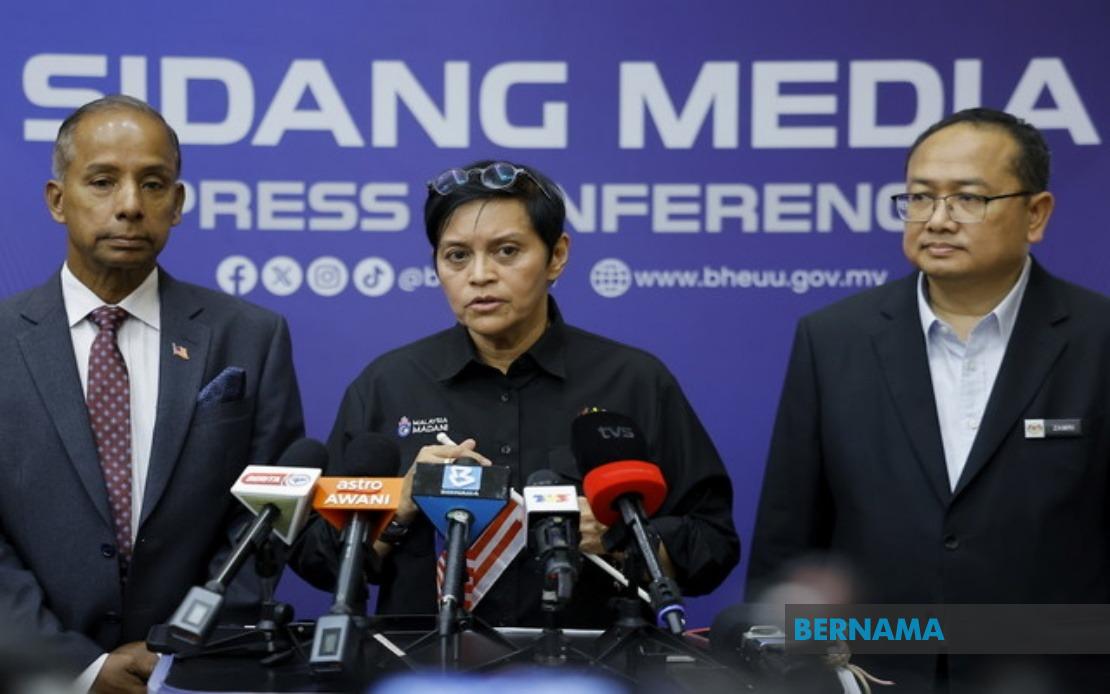
A key piece of transparency legislation is set for detailed parliamentary examination as a Select Committee convenes tomorrow to scrutinise Malaysia's Freedom of Information Bill 2026. The initiative, chaired by Minister in the Prime Minister's Department (Law and Institutional Reform) Datuk Seri Azalina Othman Said, represents an important stage in the legislative process for a measure designed to enhance public access to government information. The committee's first session will establish procedural guidelines and parameters that will shape how thoroughly the bill is assessed before reaching the full parliamentary floor.
The deliberative approach through a Select Committee signals government recognition that the proposed legislation requires careful examination across party lines. Azalina emphasised that the committee is securing cross-partisan participation, a structural choice that potentially strengthens the legislative review's credibility and breadth of perspective. This multi-party involvement creates space for diverse viewpoints to influence how the bill is refined, though it also means reconciling competing priorities and philosophies regarding information transparency within the Malaysian political context.
The Select Committee's agenda extends beyond technical amendments. Azalina indicated that proceedings will incorporate feedback from various constituencies including civil society organisations and professional associations that have submitted observations during the bill's development. This consultative dimension acknowledges that freedom of information legislation touches multiple stakeholders—journalists, academics, researchers, advocacy groups, and ordinary citizens—each with particular concerns about implementation and scope.
A principal tension animating current discussions involves the breadth of the legislation's reach. Civil society voices have advocated for expansive access provisions, arguing that the bill in its current form may be too narrow to deliver meaningful transparency gains. Azalina confirmed these concerns exist and will receive substantive consideration during committee deliberations, suggesting that the final recommendations may propose modifications to extend the bill's coverage beyond its drafted parameters. This dynamic reflects a broader global debate about balancing transparency imperatives with legitimate state interests in confidentiality.
The bill itself establishes a formal mechanism for citizens to request access to information held by public authorities. Under its provisions, any Malaysian aged 18 or older can submit a written application for official documents and information. This foundation codifies access rights that previously existed only fragmentarily across Malaysian law, creating a unified framework with defined procedures and timelines that citizens can navigate. Such systematisation represents a notable advancement from an administrative transparency perspective, though its practical utility depends heavily on exemptions and implementation details.
However, the current draft preserves considerable protection for sensitive information through existing secrecy legislation. Documents classified under the Official Secrets Act 1972 remain exempted from disclosure obligations, as do materials whose revelation is prohibited or restricted under any other written law. This carve-out is substantial, encompassing national security matters, commercial sensitivities, and personal information safeguards. The tension between promoting transparency and maintaining legitimate confidentiality will likely feature prominently in Select Committee discussions, with stakeholders disagreeing about where precisely those boundaries should lie.
The government's decision in mid-July to refer the bill to a Select Committee rather than proceeding directly to parliamentary debate indicated receptiveness to extended consultation. That announcement recognised that comprehensive engagement with legislators and external stakeholders would produce a superior legislative product compared to abbreviated debate in the full chamber. The Select Committee process creates dedicated space for detailed examination of specific clauses, consideration of comparative international approaches, and assessment of implementation feasibility before political positions harden.
For Malaysian readers and the broader Southeast Asian context, this legislative initiative carries significance beyond procedural mechanics. Freedom of information frameworks have become increasingly standard across the region, reflecting both democratic reform pressures and evolving global norms around governmental accountability. Malaysia's approach will influence regional conversations about how developing democracies can advance transparency while navigating security concerns and institutional capacity constraints. The Select Committee's recommendations may establish precedents affecting future information access legislation across other jurisdictions.
The committee is expected to complete its work and submit findings before the subsequent parliamentary sitting, a timeline that suggests urgency without abandoning thorough review. This compressed schedule reflects political commitment to advancing the legislation while accommodating the deliberative process. Azalina's personal chairmanship underscores the government's investment in the outcome, positioning the measure as a priority within the Law and Institutional Reform portfolio.
The Freedom of Information Bill 2026 ultimately reflects a choice about what kind of governance relationship Malaysia will institutionalise going forward. The Select Committee's work over coming weeks will help determine whether the resulting legislation delivers genuine, broad-based access to government information or represents a more limited transparency gesture. The balance the committee strikes between accessibility and exemptions will establish precedents influencing how Malaysian public authorities respond to information requests for years ahead.

