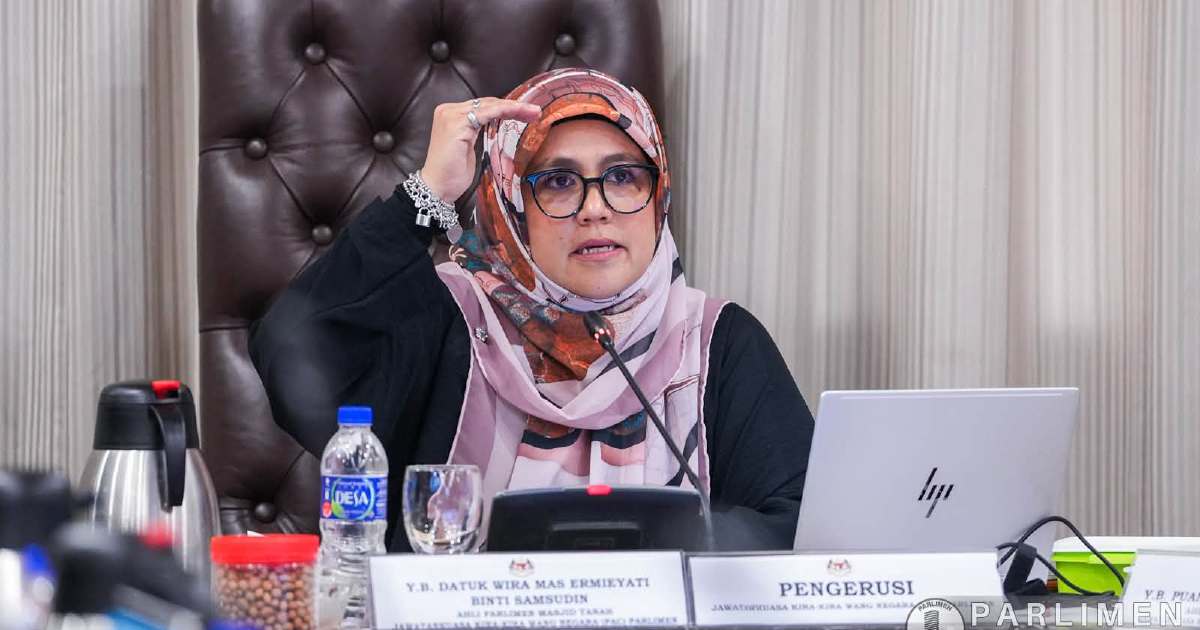
Parliament's Public Accounts Committee has unanimously voted to commence a formal investigation into governance lapses, financial management deficiencies and questionable investment decisions at Lembaga Tabung Haji (TH), signalling heightened parliamentary scrutiny of the institution that manages savings for millions of Malaysian Muslims planning the Hajj pilgrimage.
The decision to open proceedings represents a significant escalation in oversight of TH, which has faced mounting criticism over its handling of depositor funds and strategic investment choices in recent years. The unanimous nature of the PAC vote underscores broad cross-party concern about the organisation's institutional health and fiduciary responsibilities to its contributors, who entrust their life savings to the fund in preparation for one of Islam's most important spiritual obligations.
TH, as Malaysia's dedicated Hajj savings institution, occupies a unique position in the financial landscape. The fund has accumulated substantial assets from millions of Malaysian pilgrims and prospective pilgrims, making it custodian of enormous wealth designated for religious purposes. The decision to investigate governance frameworks reflects parliament's recognition that such stewardship demands rigorous accountability standards and transparent management practices commensurate with the trust placed by contributors.
The scope of the PAC's intended inquiry extends across three distinct but interconnected dimensions of institutional performance. Governance concerns suggest structural or procedural weaknesses in how TH's leadership functions, makes decisions and maintains oversight mechanisms. Financial management issues indicate potential problems with budgeting, expenditure controls, internal audit systems or compliance frameworks. The investment weakness element points to questions about how TH has deployed its substantial asset base and whether investment strategies have generated appropriate returns while managing risk responsibly.
For Malaysian depositors, the investigation carries direct relevance to personal retirement and religious planning. Many Malaysians view TH contributions not merely as savings vehicles but as embodiments of religious commitment. Any mismanagement or poor performance directly impacts their ability to fulfil the Hajj obligation and affects their financial security. The investigation's findings could determine whether TH requires operational reforms, governance restructuring or enhanced regulatory oversight to restore confidence among its vast contributor base.
Southeast Asia has observed growing scrutiny of large state-linked financial institutions and sovereign wealth funds, reflecting regional concerns about governance standards and fiduciary responsibility. The PAC's move positions Malaysia within this broader context of accountability demands. How Malaysian parliament handles this investigation will influence regional perceptions of Malaysia's commitment to institutional transparency and parliamentary oversight of public bodies managing citizen assets.
The timing of this investigation also reflects a maturing regulatory environment in Malaysia. Financial institutions, particularly those handling large aggregated public savings, face mounting pressure to demonstrate adherence to international governance standards and best practices. The PAC proceeding indicates parliament's willingness to deploy investigative mechanisms to ensure state entities meet these evolving expectations rather than accepting institutional performance at face value.
Given TH's significance to the Malaysian Muslim population and its role in national religious infrastructure, the PAC's inquiry will likely generate substantial public and media attention. The investigation's outcome could prompt legislative or regulatory changes affecting how TH operates, how it invests depositor funds and how it structures governance committees. These changes could serve as templates for oversight of similar Islamic financial institutions across Southeast Asia.
The investigation also presents opportunities for TH to demonstrate responsiveness to parliamentary concerns and willingness to implement reforms. Depending on how TH engages with the PAC process, the institution could either emerge with strengthened governance frameworks and renewed stakeholder confidence or face further institutional pressure if it appears defensive or obstructive during proceedings.
For international investors and observers monitoring Malaysia's institutional standards, the PAC investigation signals that Malaysian parliament takes seriously its role in overseeing public bodies and financial institutions. This reinforces Malaysia's positioning as a jurisdiction committed to transparency and accountability, factors that increasingly influence foreign investor perceptions of institutional reliability and regulatory credibility.
The PAC's unanimous approval removes any suggestion of partisan divisions on this issue, emphasising that concern about TH's governance transcends political boundaries. This cross-party consensus could strengthen the investigation's legitimacy and increase likelihood that its findings and recommendations achieve implementation across government and within TH itself, regardless of which political coalition holds office.
As the investigation proceeds, stakeholders including TH contributors, Islamic financial sector observers and Malaysian policymakers will monitor findings closely. The PAC's work promises to illuminate questions about institutional stewardship of public assets while reinforcing parliament's investigative authority and commitment to financial transparency in Malaysia's evolving regulatory landscape.

