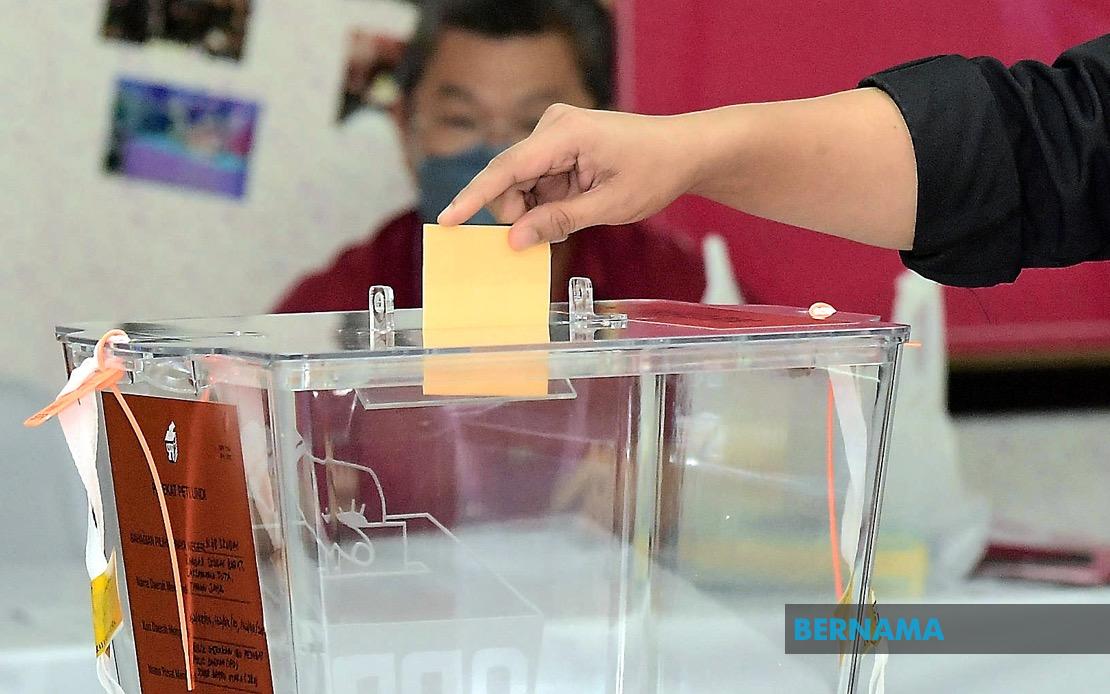
The Johor state election held on July 11 delivered a clear mandate for the Barisan Nasional coalition, which emerged victorious with 29 of the 56 available state assembly seats. The result sets the stage for a reshaped political landscape in Malaysia's southern gateway, with implications reverberating across the peninsula's factional politics as parties prepare for the consequential 16th General Election.
PAS, the Islamist party that contested as part of the broader Perikatan Nasional coalition, moved swiftly to offer its congratulations to the winning administration led by Menteri Besar Datuk Onn Hafiz Ghazi. Johor PAS commissioner Datuk Dr Mahfodz Mohamed's statement emphasised the party's commitment to respecting electoral outcomes, a posture that underscores the stabilising role PAS has increasingly adopted in Malaysia's coalition politics. Rather than dwelling on the setback, the party framed the election as a platform for consolidating its position within Perikatan Nasional's broader struggle.
The gracious acceptance by PAS carries particular significance given the fractious state of Malaysian politics, where electoral defeats have historically triggered acrimonious disputes and recriminations. PAS's measured response suggests confidence in its institutional standing within Perikatan Nasional, the coalition that includes Bersatu and other smaller parties. The party's statement explicitly tied the election outcome to preparations for the 16th General Election, signalling that this state-level contest is being viewed primarily as a training ground and organisational opportunity rather than a strategic turning point.
For Bersatu, the result prompts a more intensive analytical exercise. Secretary-general Datuk Seri Mohamed Azmin Ali announced the party would undertake comprehensive scrutiny of the election results to extract lessons and develop refined strategies for strengthening Bersatu's political machinery. This deliberative approach reflects Bersatu's positioning as a coalition partner that cannot afford marginalisation, particularly as internal dynamics within Perikatan Nasional continue to shift. The party's willingness to conduct detailed reviews indicates it recognises the need to sharpen its appeal and organisational effectiveness ahead of the national election cycle.
The Johor election proved particularly punishing for Bersama Malaysia, the newly established party led by Datuk Seri Rafizi Ramli, which contested its first major electoral test just 52 days after its formation. The party's complete failure to secure a single seat, compounded by the loss of all 15 candidates' election deposits, represents a sobering introduction to Malaysia's competitive electoral environment. For a fledgling political outfit aspiring to become a serious parliamentary force, such a comprehensive rejection at the ballot box demanded candid acknowledgment and strategic recalibration.
Rafizi's response to Bersama's electoral débâcle demonstrated pragmatism rather than defensiveness. In a Facebook statement, the party leader acknowledged the disappointing performance while contextualising it within the party's nascent stage of development. His framing emphasised the organisational learning and grassroots experience gained through campaigning, positioning the election result as an investment in institutional capacity-building rather than a fatal blow to the party's long-term ambitions. This narrative construction seeks to maintain morale among supporters while signalling that Bersama intends to persist in building political infrastructure despite an inauspicious debut.
The broader election results revealed a fragmented opposition landscape, with Pakatan Harapan managing to retain only two seats as of the evening's count. For Malaysian observers tracking the health of anti-Barisan political coalitions, this performance underscores the sustained electoral dominance of the government coalition in peninsular Malaysia. The inability of Pakatan Harapan to mount a more credible challenge in Johor, a state with significant urban and suburban constituencies, suggests the coalition faces persistent difficulties translating public discontent into electoral gains outside its established strongholds.
Independent candidates and smaller parties including MUDA, Parti Orang Asli Malaysia, and Parti Sosialis Malaysia collectively failed to translate their participation into legislative representation. This outcome reflects the structural challenges facing splinter and independent movements in Malaysia's electoral system, where the first-past-the-post mechanism consistently penalises fragmented opposition efforts. For political entrepreneurs seeking to carve out distinctive spaces outside the major coalitions, Johor's results offer a cautionary tale about the resource and organisational requirements needed to overcome entrenched incumbency advantages.
The Johor election occurs at a critical juncture in Malaysian politics, with national politics increasingly polarised between Barisan Nasional and its rivals, while internal fault lines within both major coalitions remain evident. Perikatan Nasional's performance in Johor will be scrutinised by political observers assessing whether the coalition can translate its federal-level presence into broader electoral legitimacy. The coalition's inability to capitalise on anti-Barisan sentiment, even in partnership with PAS, raises questions about the ceiling for Perikatan Nasional's electoral reach and whether the coalition can broaden its appeal beyond its core constituencies.
Looking ahead to the 16th General Election, the Johor results provide important data points for all contending coalitions. For Barisan Nasional, it demonstrates continued electoral resilience and voter preference for governmental stability and experience. For Perikatan Nasional, the results highlight the need for strategic partnership refinement and message clarity if the coalition is to become a genuine national alternative. For emerging players like Bersama, the election underscores the magnitude of the organisational and financial resources required to establish meaningful political presence in Malaysia's competitive landscape. As Malaysian politics moves inexorably toward the next general election cycle, the Johor outcome will inform campaign strategies, coalition calculations, and fundamental reassessments of each party's electoral viability.

