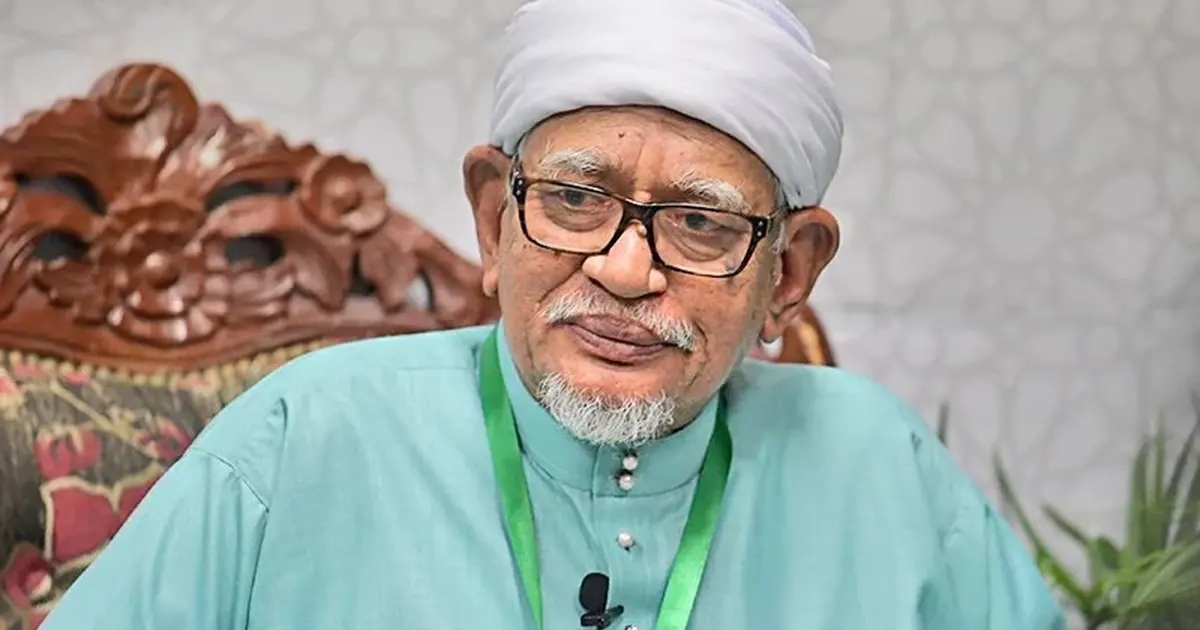
Discussions between PAS and Barisan Nasional over the distribution of parliamentary seats in Melaka remain in active negotiation, according to PAS president Hadi Awang, signalling that the two political blocs continue to work toward a resolution on electoral arrangements in the state ahead of potential future contests. The comments underline the delicate nature of coalition politics in Malaysia, where seat allocations between partner parties have long been a source of tension and require careful calibration to maintain working relationships.
Hadi's acknowledgement that talks are proceeding comes at a time when Malaysia's political landscape continues to evolve following the general election in 2022. The outcome in Melaka during that election, where the BN failed to capture any of the three parliamentary constituencies in the state, has become a defining factor in the current round of discussions. This poor showing represents a significant shift from the historical dominance that BN once enjoyed in Melaka and raises questions about the party's electoral viability in a state it traditionally considered a stronghold.
The importance of accounting for the 2022 general election results in current negotiations reflects a pragmatic approach by both parties to coalition management. Rather than relying solely on historical seat-sharing arrangements that predate recent electoral shifts, PAS and BN appear to be adopting a more evidence-based methodology that takes into account contemporary voter sentiment and actual electoral performance. This approach suggests a recognition that the political ground has fundamentally shifted in Melaka.
For PAS, the negotiating position is considerably strengthened by its broader presence across the state and its growing influence within Malaysian politics more generally. The Islamic party has positioned itself as a key coalition partner, and its ability to deliver votes in states like Melaka has become increasingly valuable to BN. The party's willingness to engage in detailed negotiations indicates confidence in its ability to claim a significant share of parliamentary representation in the state.
BN's diminished electoral standing in Melaka presents the party with a genuine strategic dilemma. The coalition must weigh its ambitions for recovery against the realities of voter preference as demonstrated in the 2022 polls. Accepting a reduced seat allocation based on demonstrated electoral performance may be necessary to maintain its partnership with PAS and avoid further internal fragmentation that could push the BN further toward irrelevance in the state.
The broader context of these discussions involves Malaysia's complex federal structure and the importance of state-level control within the overall political system. Melaka, though a relatively small state by population, holds symbolic importance as a traditionally significant BN bastion. Developments in how seats are distributed there could have ripple effects in other states where BN and PAS maintain similar working relationships and where historical dominance has given way to more competitive electoral dynamics.
For Malaysian voters and political observers, these negotiations represent an important test of how coalitions adapt to changed circumstances. The outcome will demonstrate whether established political partnerships can evolve pragmatically when faced with evidence of electoral decline, or whether pride and historical claims to power override practical considerations about future viability. The resolution of these Melaka discussions will likely inform how seat negotiations proceed elsewhere in the country.
The involvement of Hadi Awang in personally confirming the status of talks suggests that PAS takes the Melaka negotiations seriously and views them as significant enough to warrant leadership attention. This level of engagement indicates that more than routine seat allocations may be at stake, with implications for the broader PAS-BN alliance structure and the political direction of the coalition in future elections.
Southeast Asian analysts have noted that Malaysia's approach to coalition seat distribution, while sometimes frustrating for party activists, has historically provided a mechanism for managing political competition without resorting to zero-sum confrontations. The PAS-BN talks over Melaka seats represent a continuation of this tradition, albeit one tested by genuine electoral flux and the emergence of new political forces that have not existed in previous cycles.
Looking ahead, the resolution of these negotiations will likely emerge through a combination of public statements and behind-the-scenes discussions among party leadership. The emphasis on taking GE15 results into account provides a framework for negotiations that both parties can present to their grassroots as rational and defensible, helping to manage potential internal dissatisfaction with whatever seat allocation ultimately emerges from these talks.
The timing of these discussions also matters, as both PAS and BN appear to be preparing for electoral competition that could come sooner than the fixed timeline for the next general election. State-level political developments and potential snap elections have become increasingly common in Malaysia, making seat allocation negotiations an ongoing rather than cyclical concern for major coalitions.

